Sustainability: keeping participation possible
We explore how education, access and long-term partnerships can support sustainable development, and what evidence is still needed to assess future technical benefits.
Our sustainability work begins with the people and partnerships around the project. This chapter develops our sustainability perspective for iDEC, focusing on documented education and engagement and on questions that should guide future development.
Health needs and equitable access
Conversations at the First Hospital of Lanzhou University encouraged us to consider the practical context of health innovation: staff time, available equipment, understandable explanations and the burdens placed on patients. These discussions connect our work to the aspiration of SDG 3, good health and well-being. They identify needs and development priorities; they do not demonstrate a health benefit from the prototype.
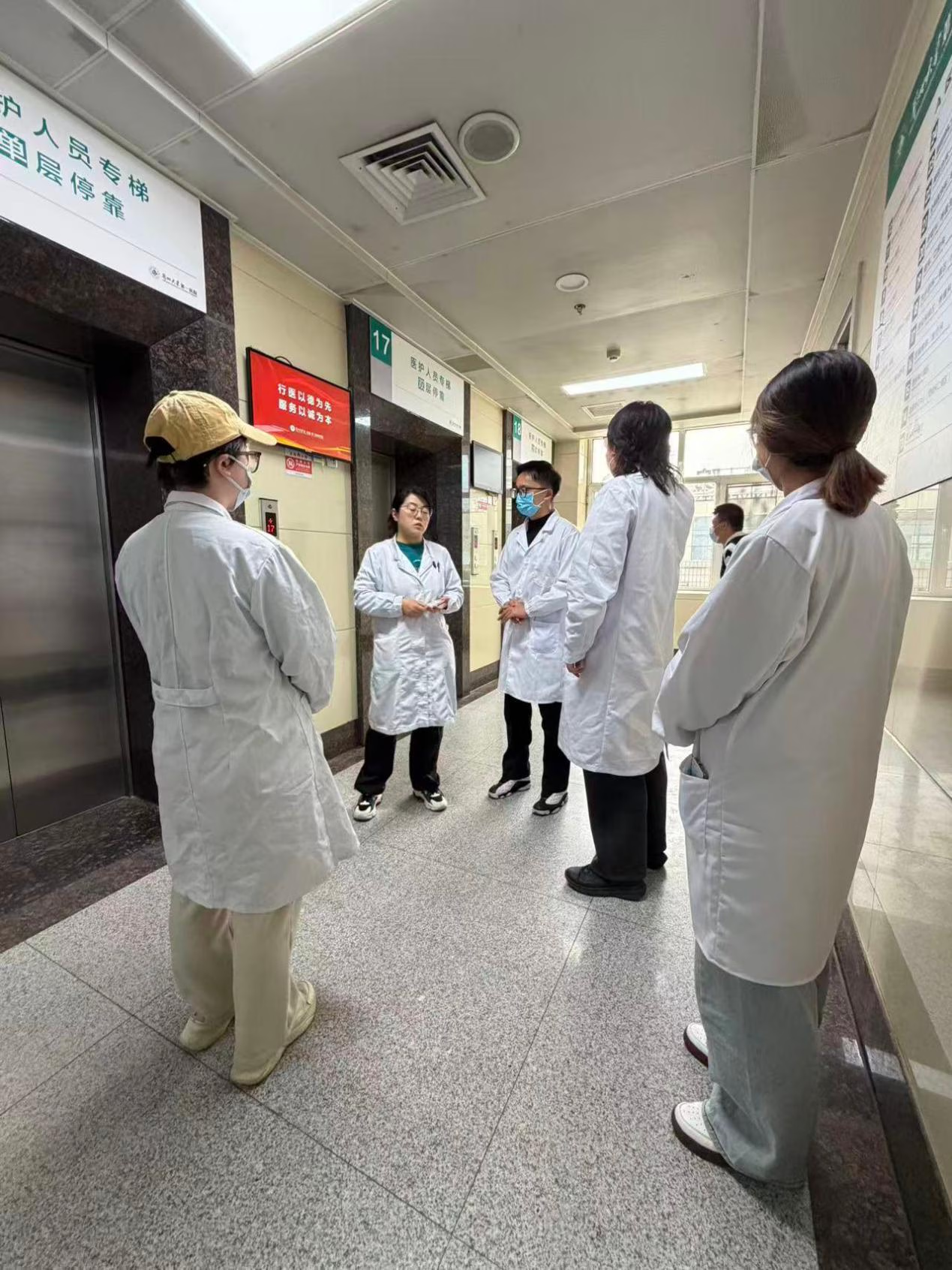
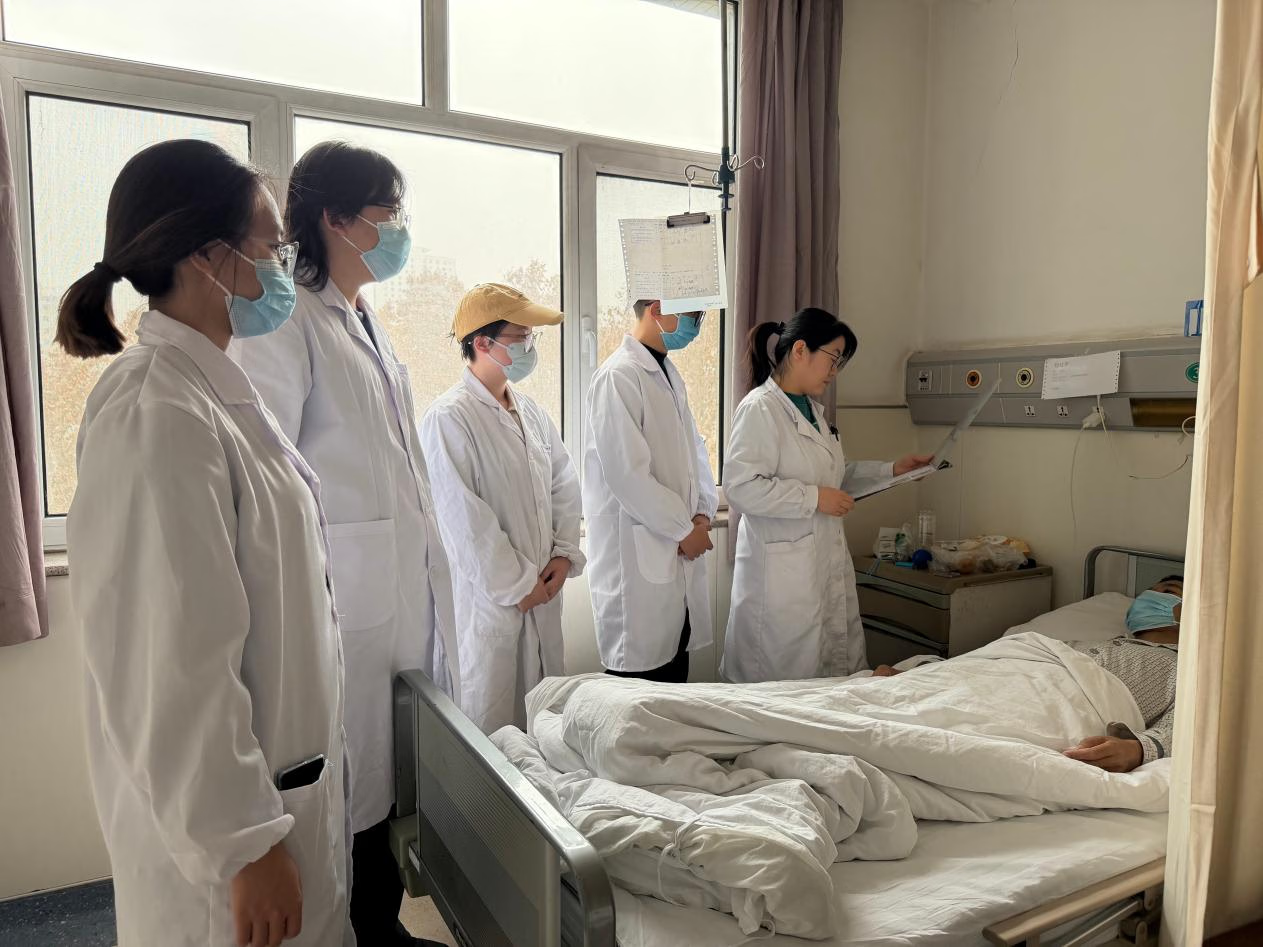
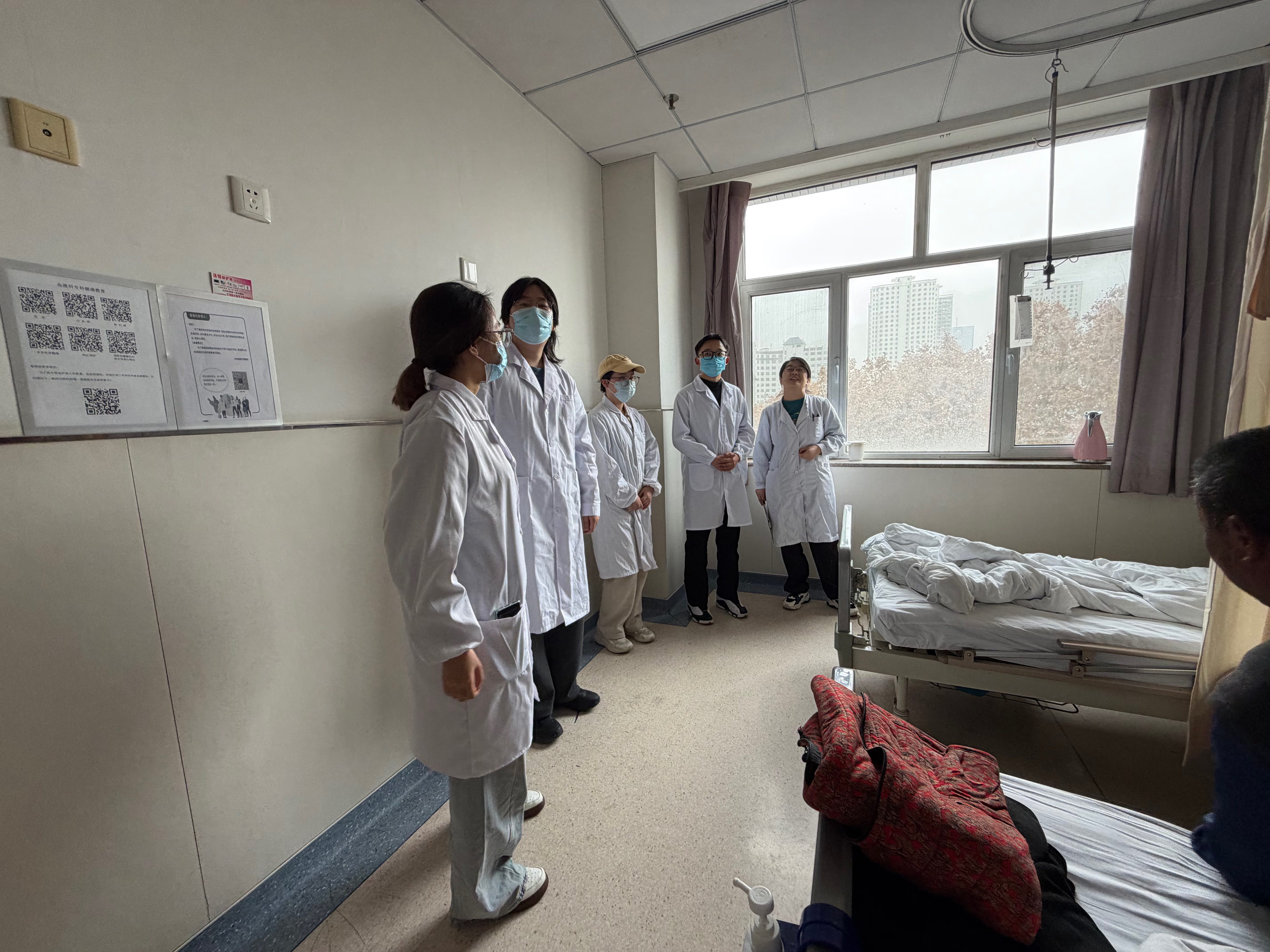
Healthcare engagement and needs exploration.
Teaching resources that remain useful
School outreach, campus discussions and hands-on community activities support our commitment to widening scientific participation. Under SDG 4, our practical focus is on giving learners a way to understand, question and explain scientific ideas. Reusable resources and feedback-informed revisions help an activity remain useful beyond a single event.
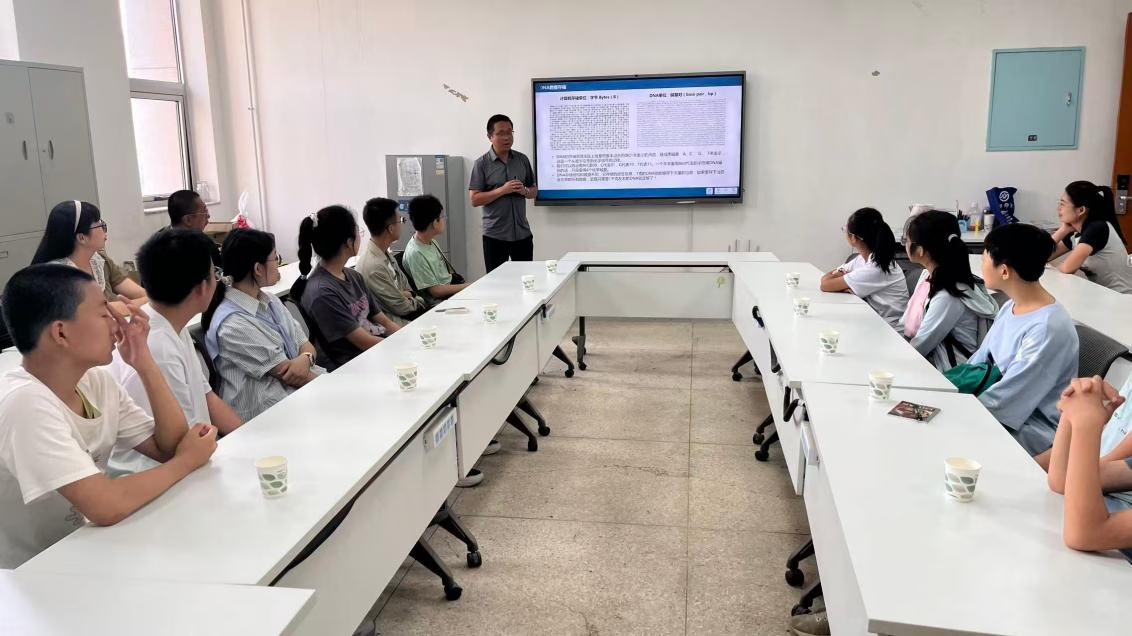
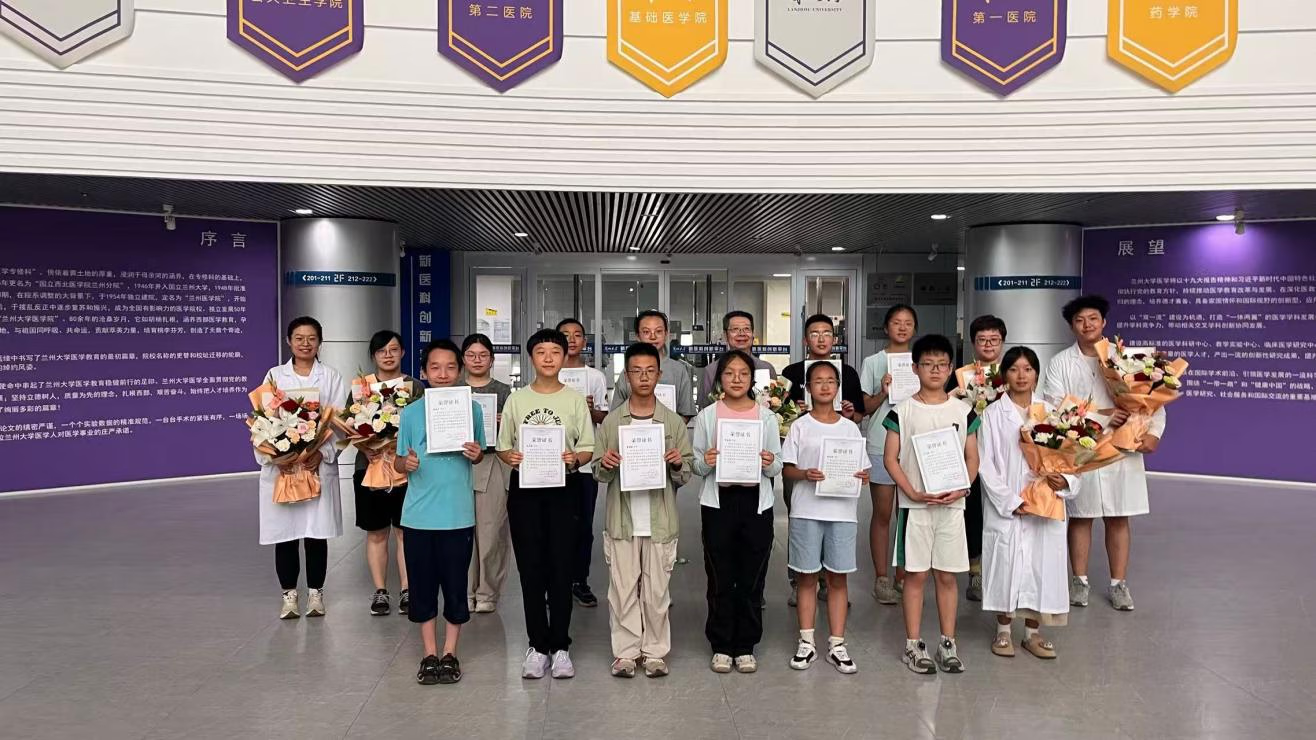
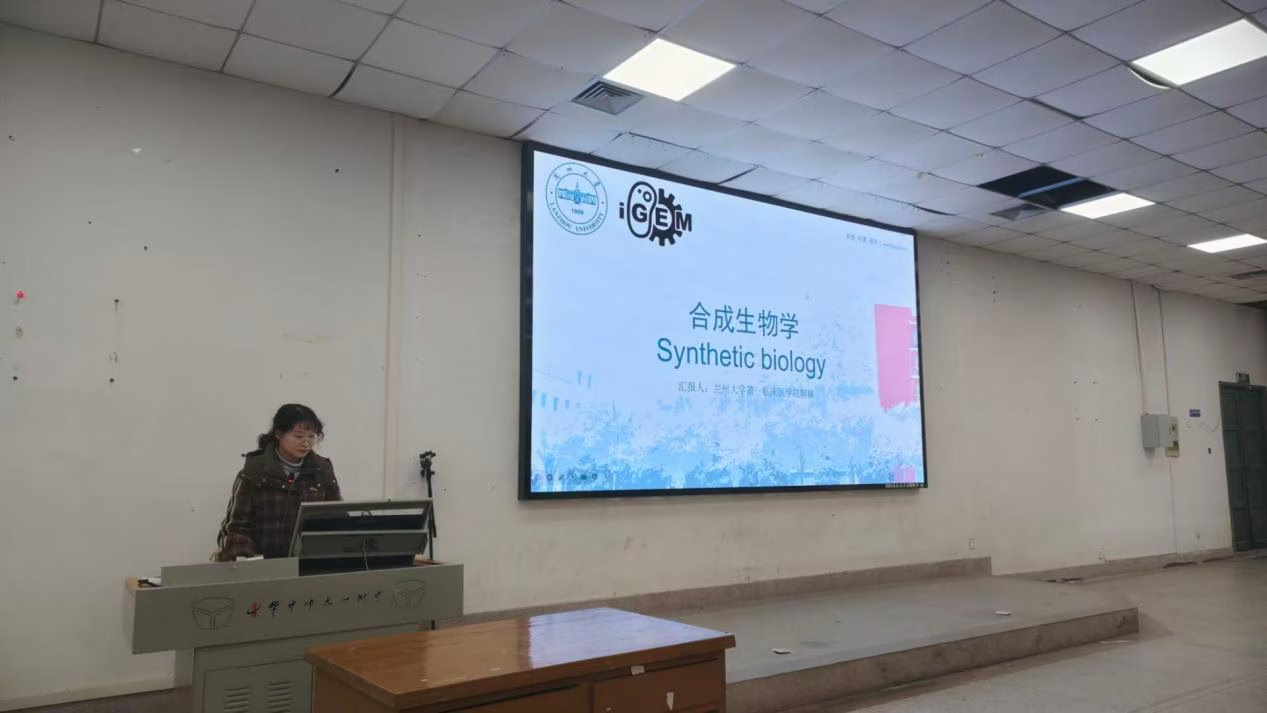
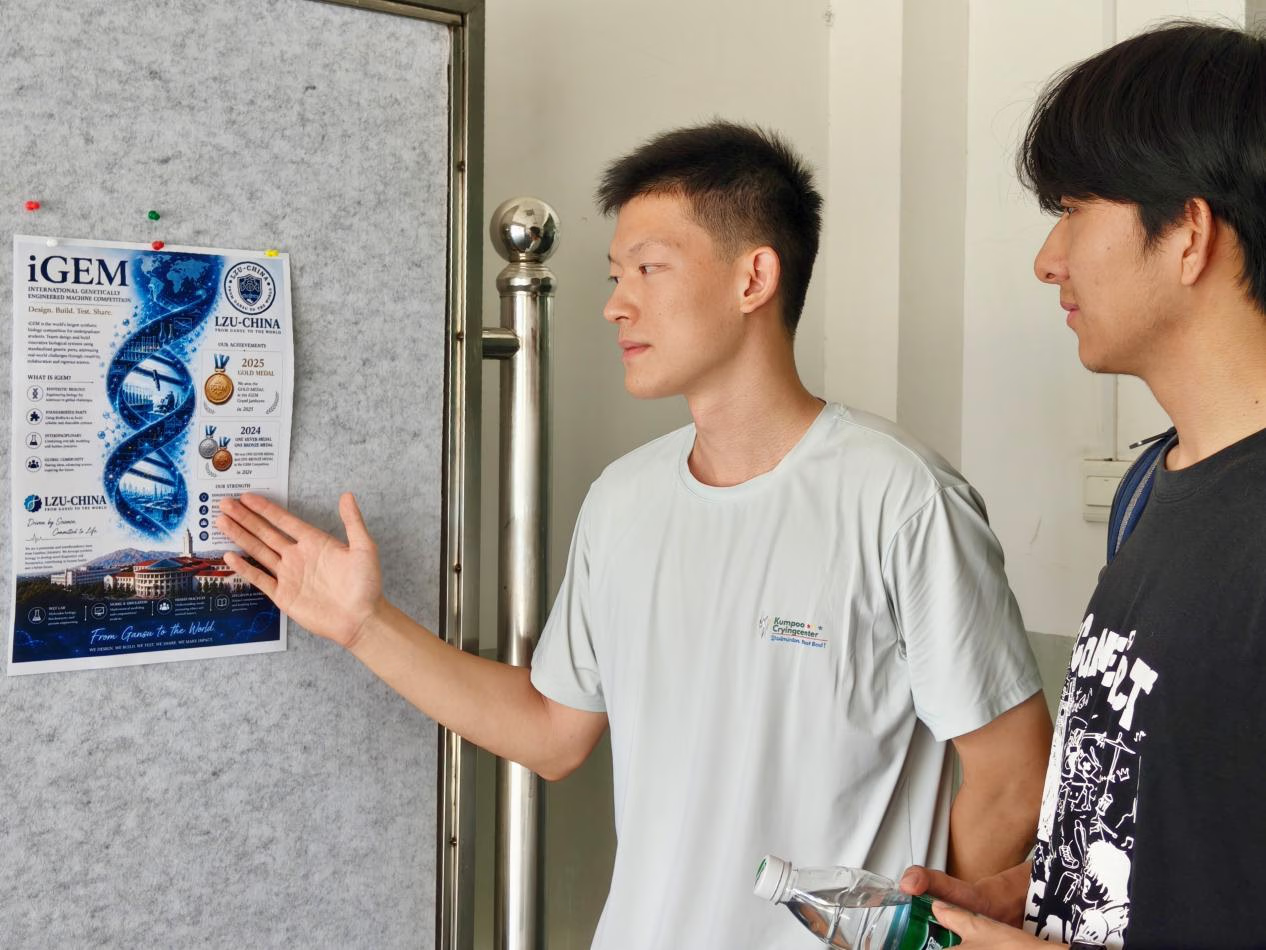
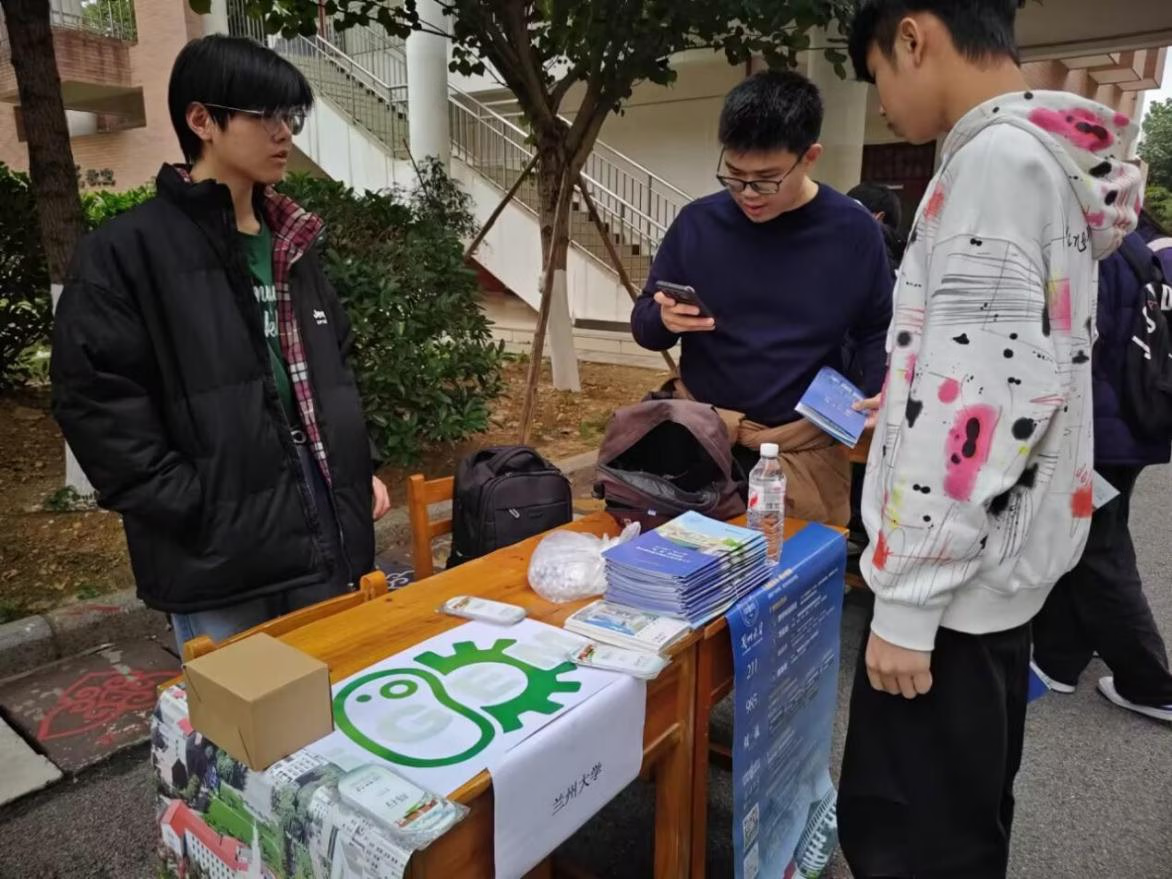
Education and outreach activities.
Reducing barriers to participation
Our work in Gansu brought access into focus: distance from university resources, different educational backgrounds, limited equipment and communication needs all affect participation. The connection to SDG 10 is therefore practical. We can adapt explanations, share resources and include perspectives that might otherwise be missing.
Healthcare affordability and accessible readouts remain future development questions. A low-cost goal needs a cost assessment, and a proposed accessible format needs feedback from the people expected to use it. The Inclusivity chapter records the stakeholder dialogue and current limitations.
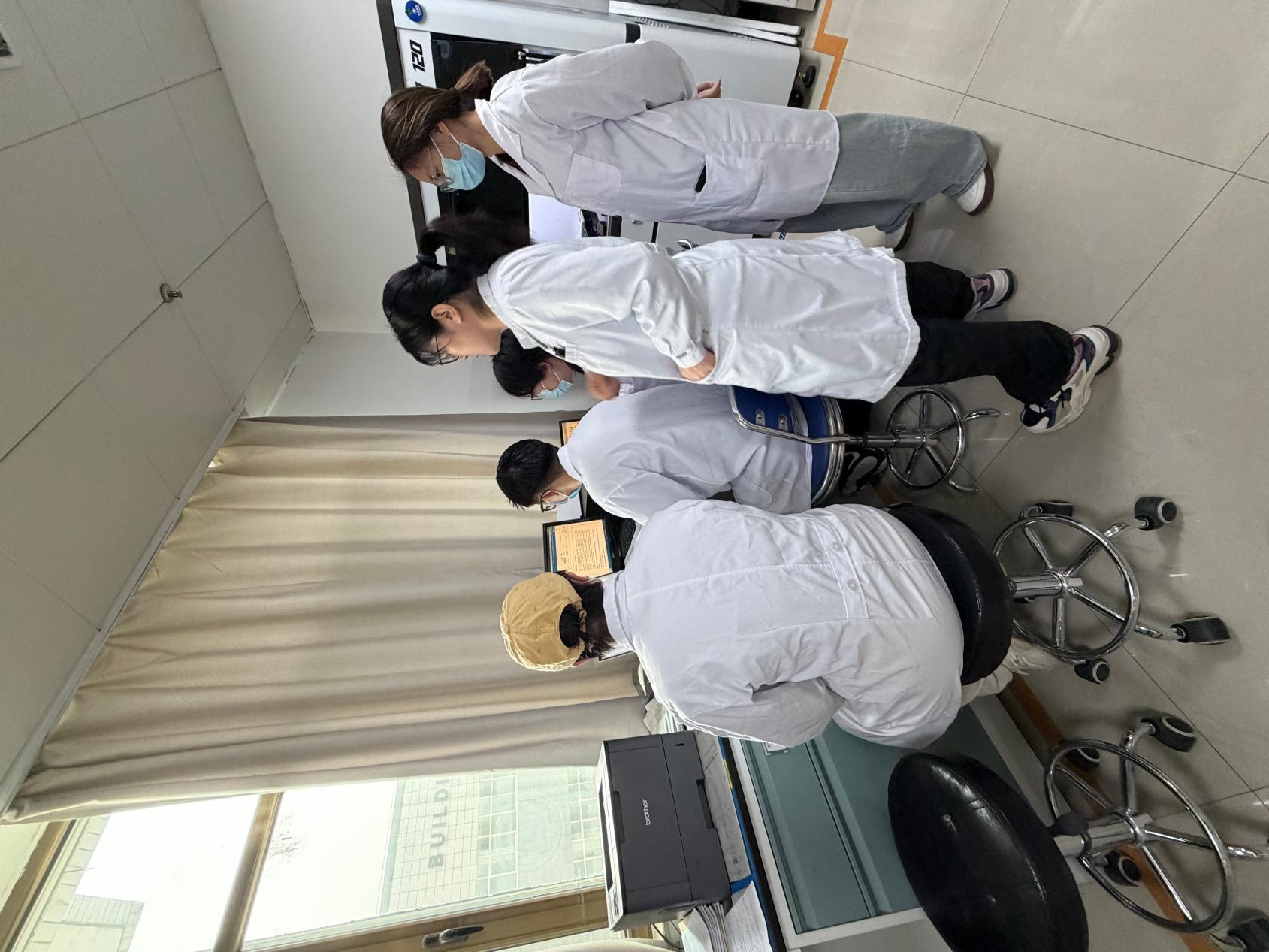
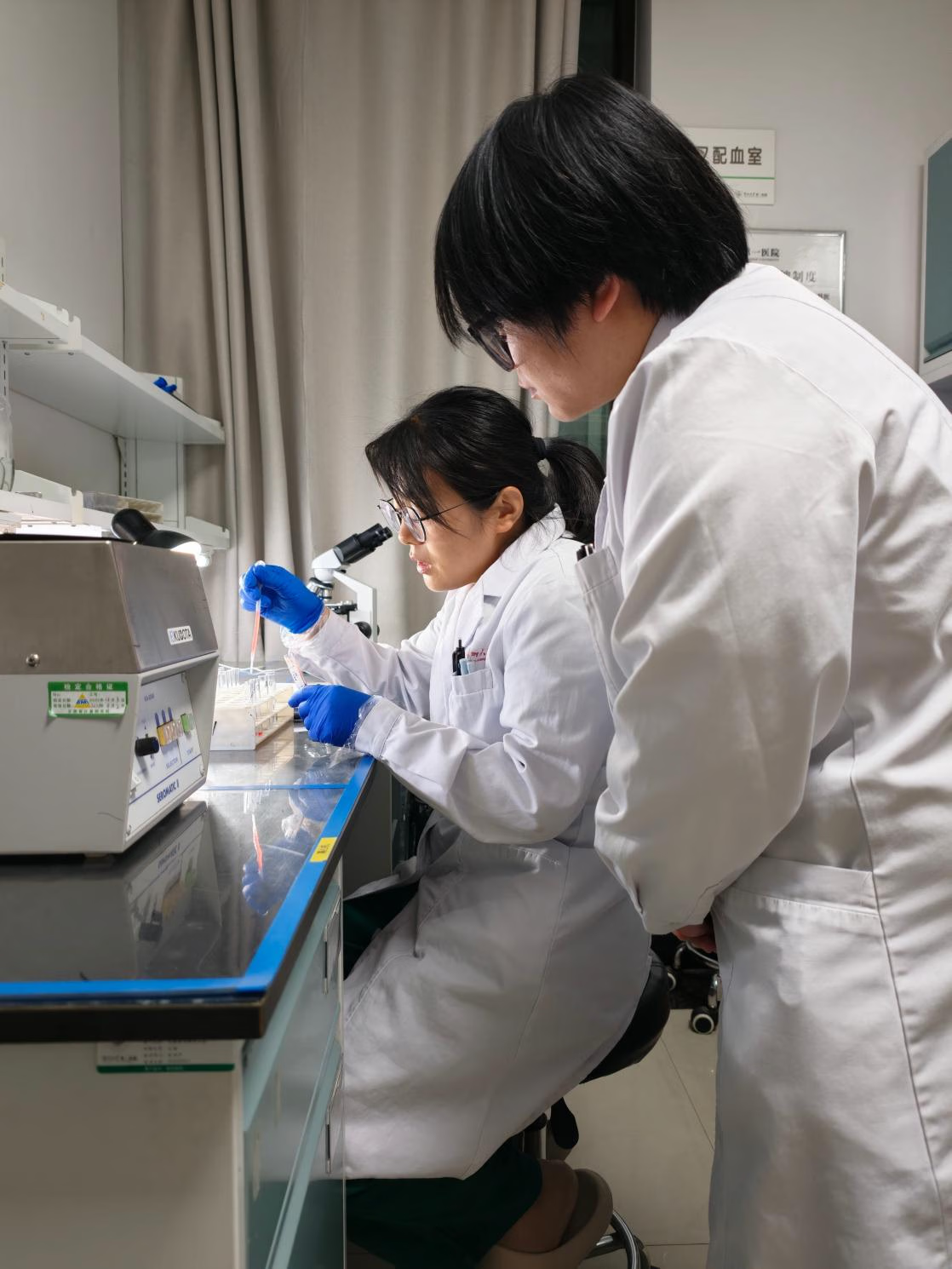
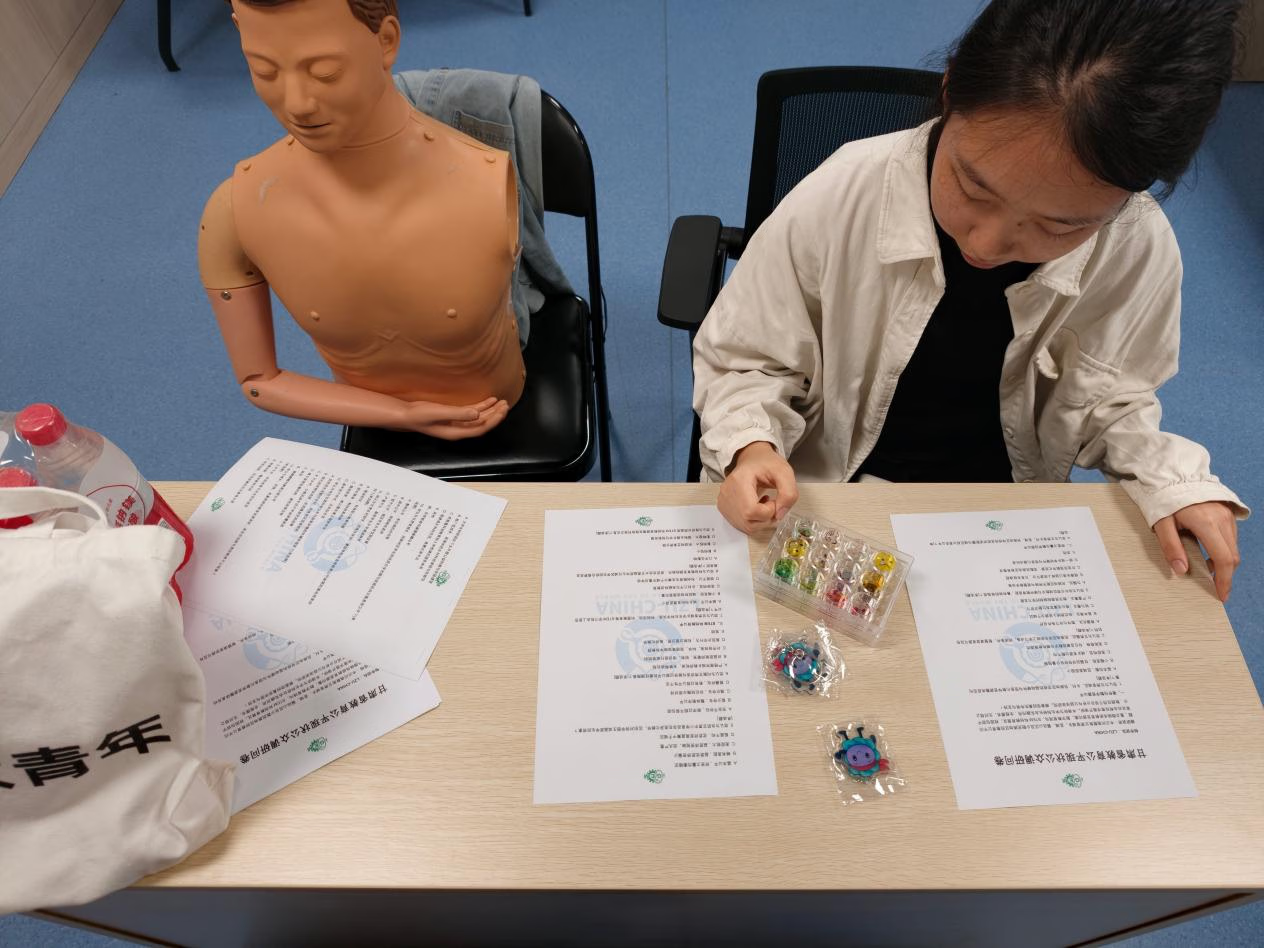
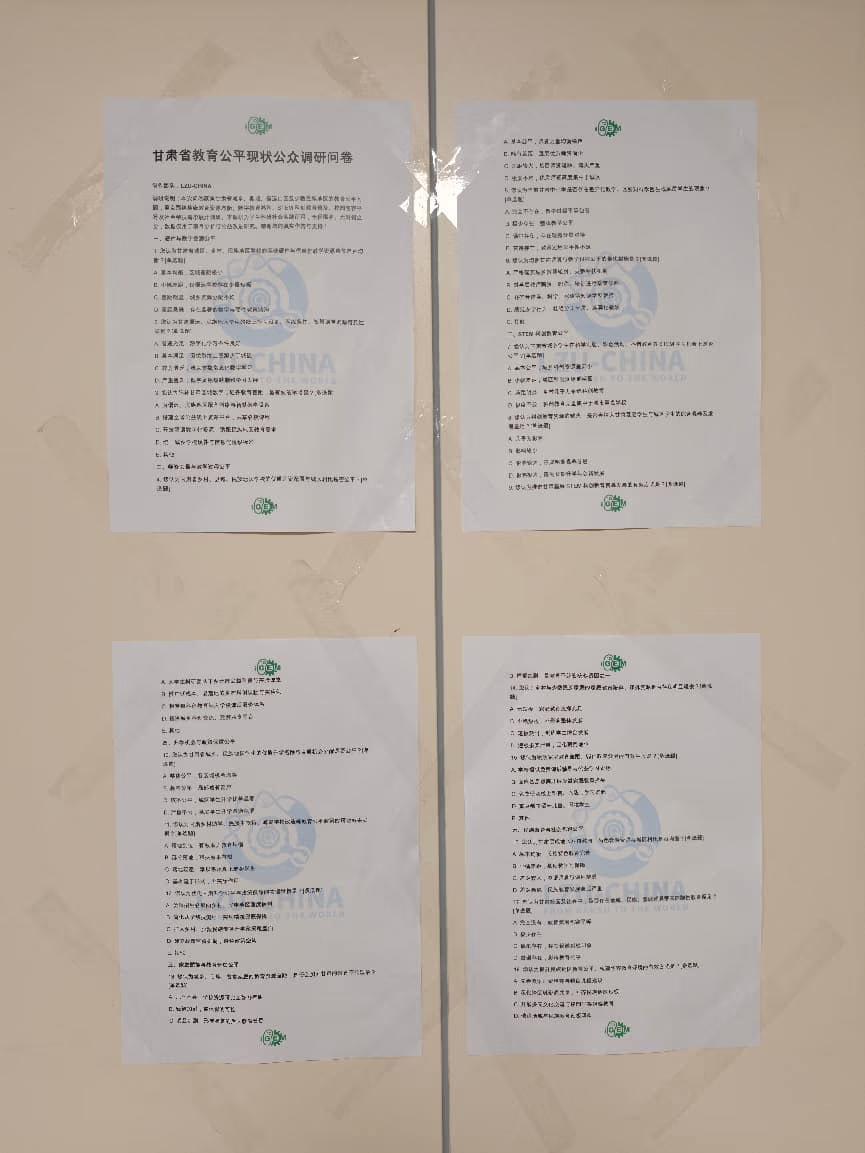
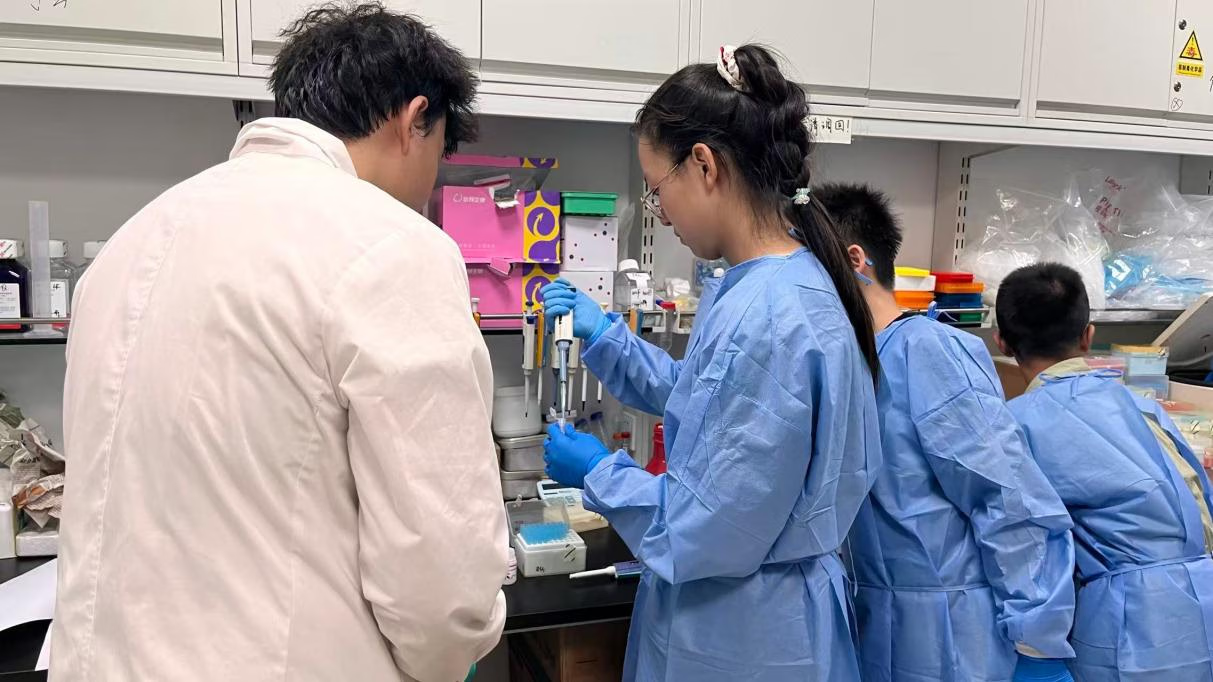
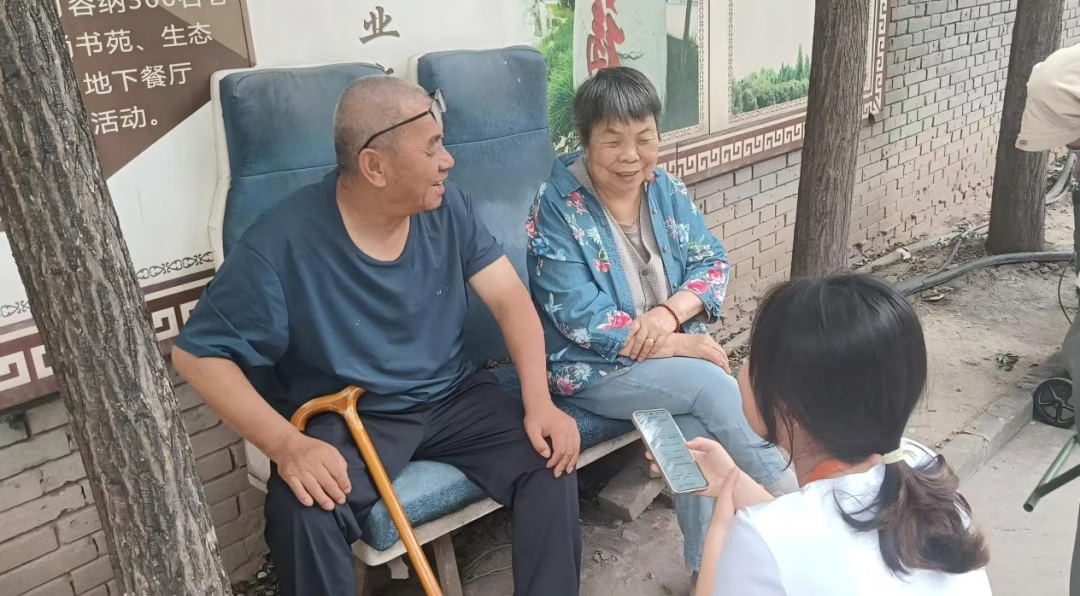
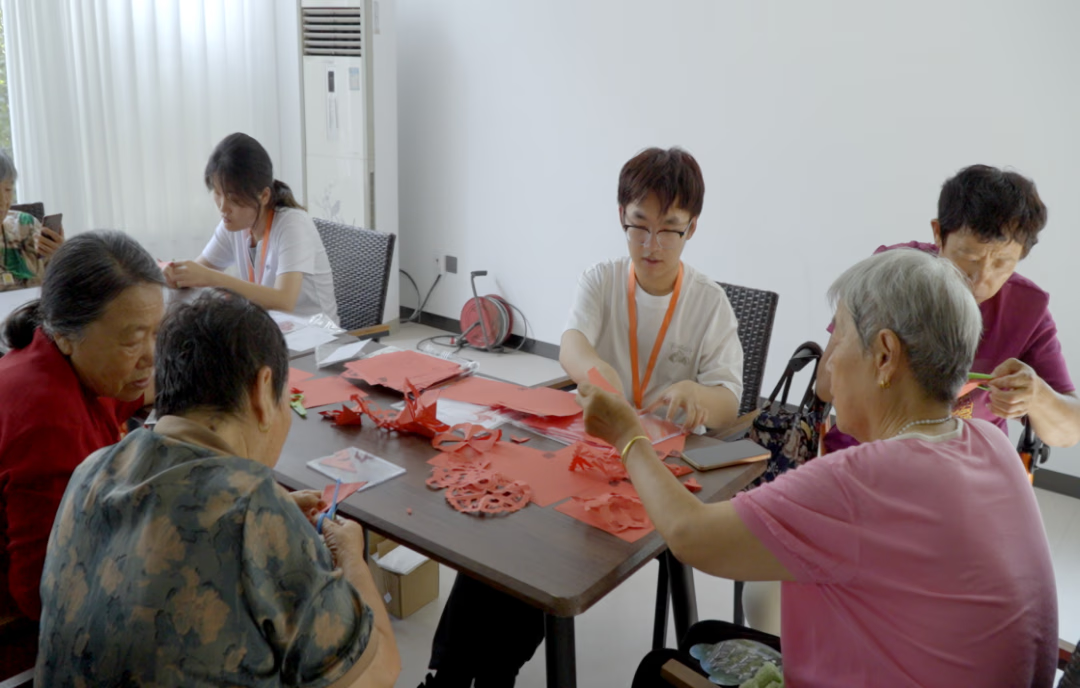
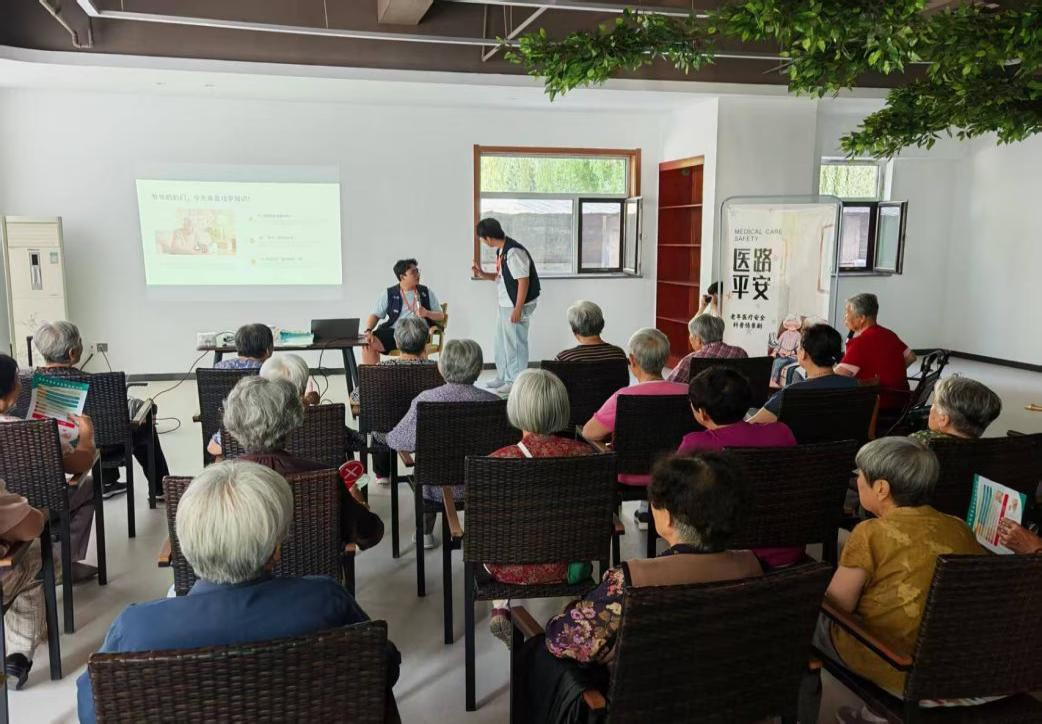
Community engagement and inclusive participation.
Responsible resource use
SDG 12 prompts us to ask what resources an activity or future technology consumes and what waste it produces. Within HP, we can reuse teaching materials, make digital resources available and choose practical formats for local audiences.
For future research and translation, material use, containment, waste treatment and disposal require explicit assessment. We do not treat the existence of a proposed biological safeguard as proof of environmental safety or a completed life-cycle evaluation.
Learning through partnerships
Peer-team exchanges, APIC discussions, healthcare dialogue and engagement with organisations such as the Gansu Red Cross Society and Jinghong Health Products Ltd. brought different expertise into our planning. These connections support the collaborative intent of SDG 17.
Our next step is to make useful resources easier to reuse, keep the questions raised by partners visible, and invite further feedback. The Collaboration chapter preserves the detailed record of the original exchanges.
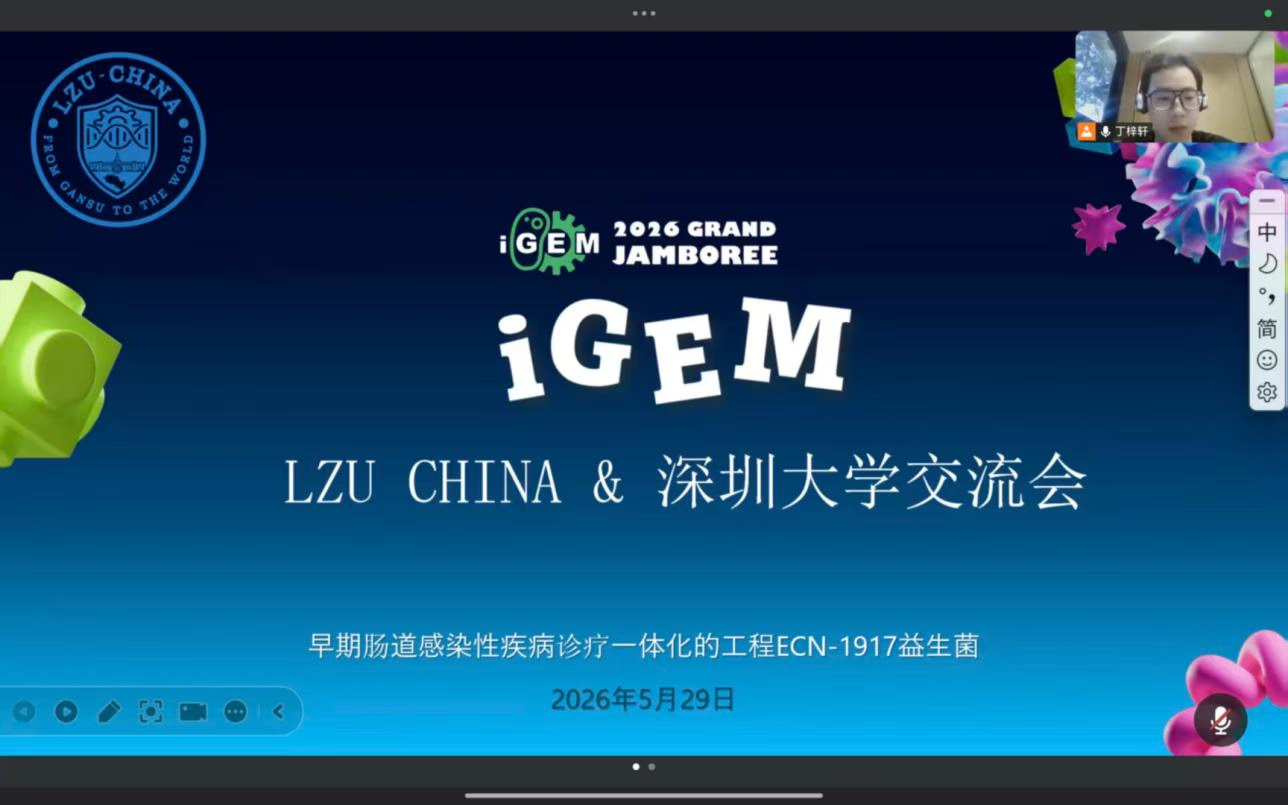
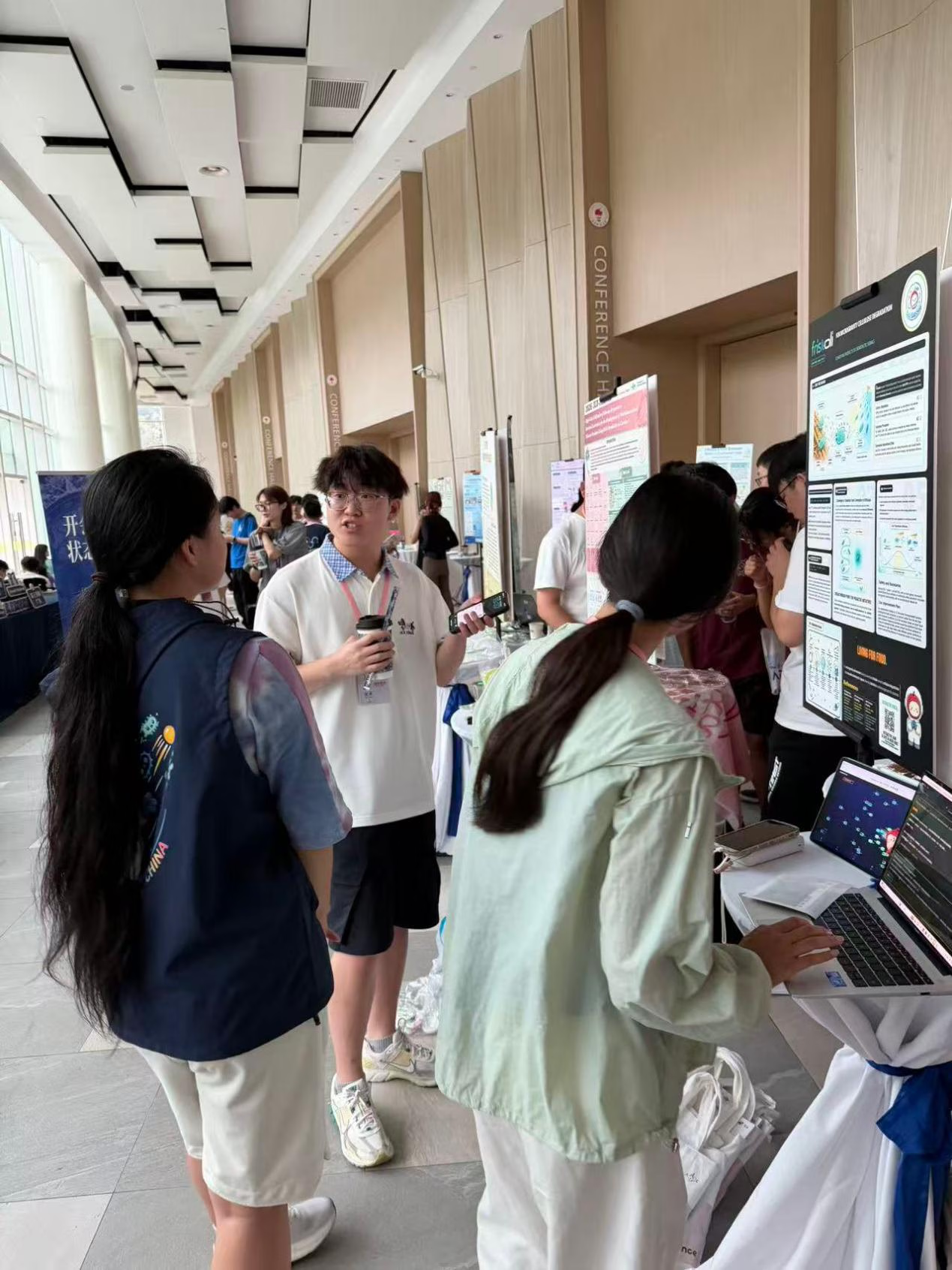
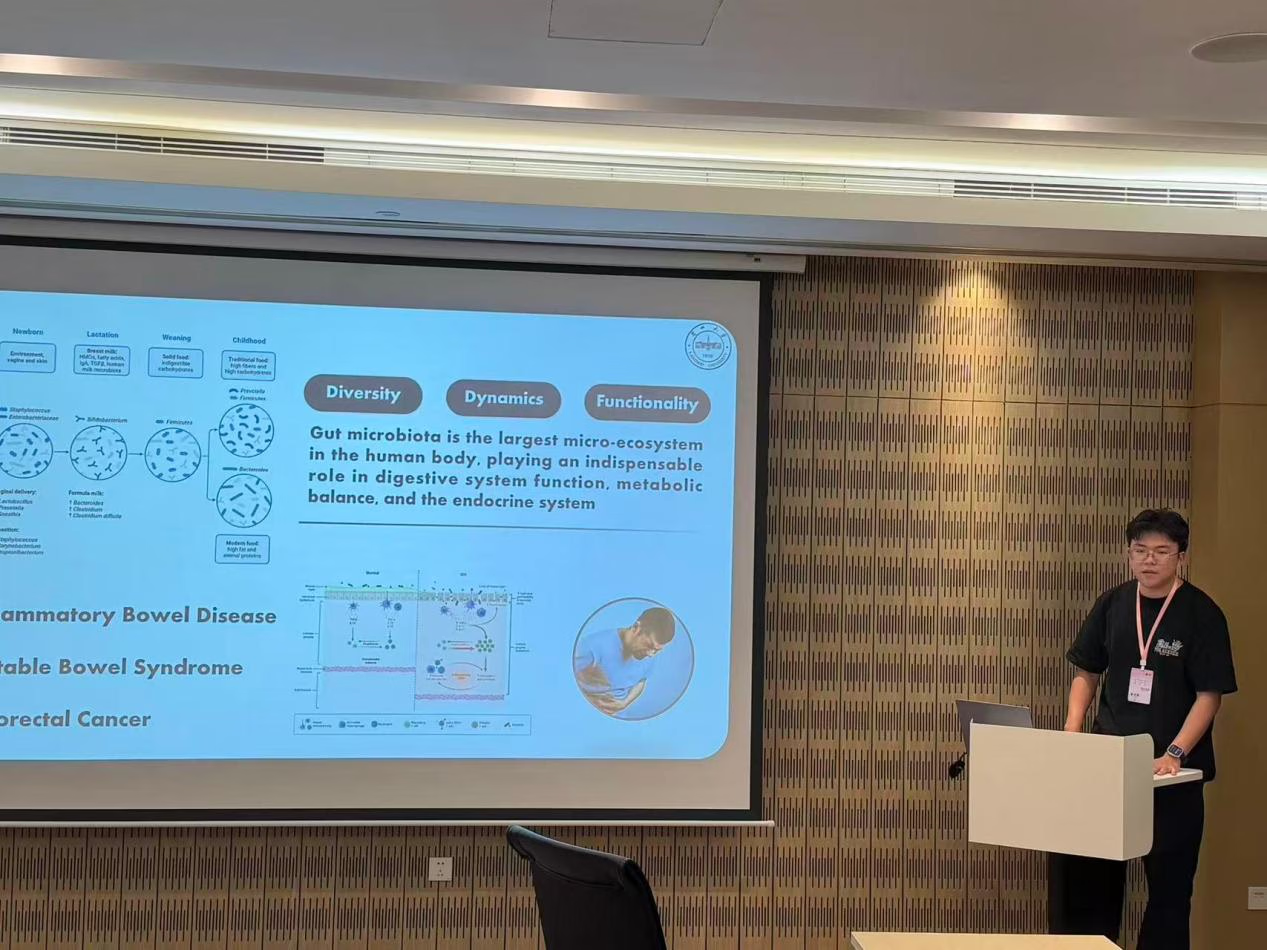
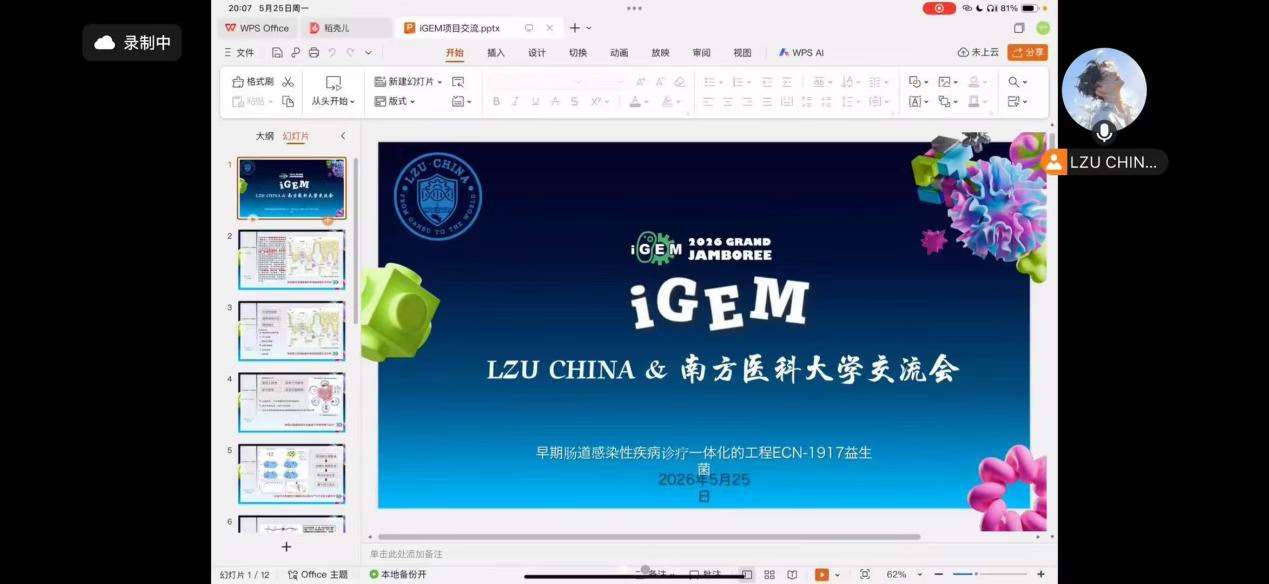
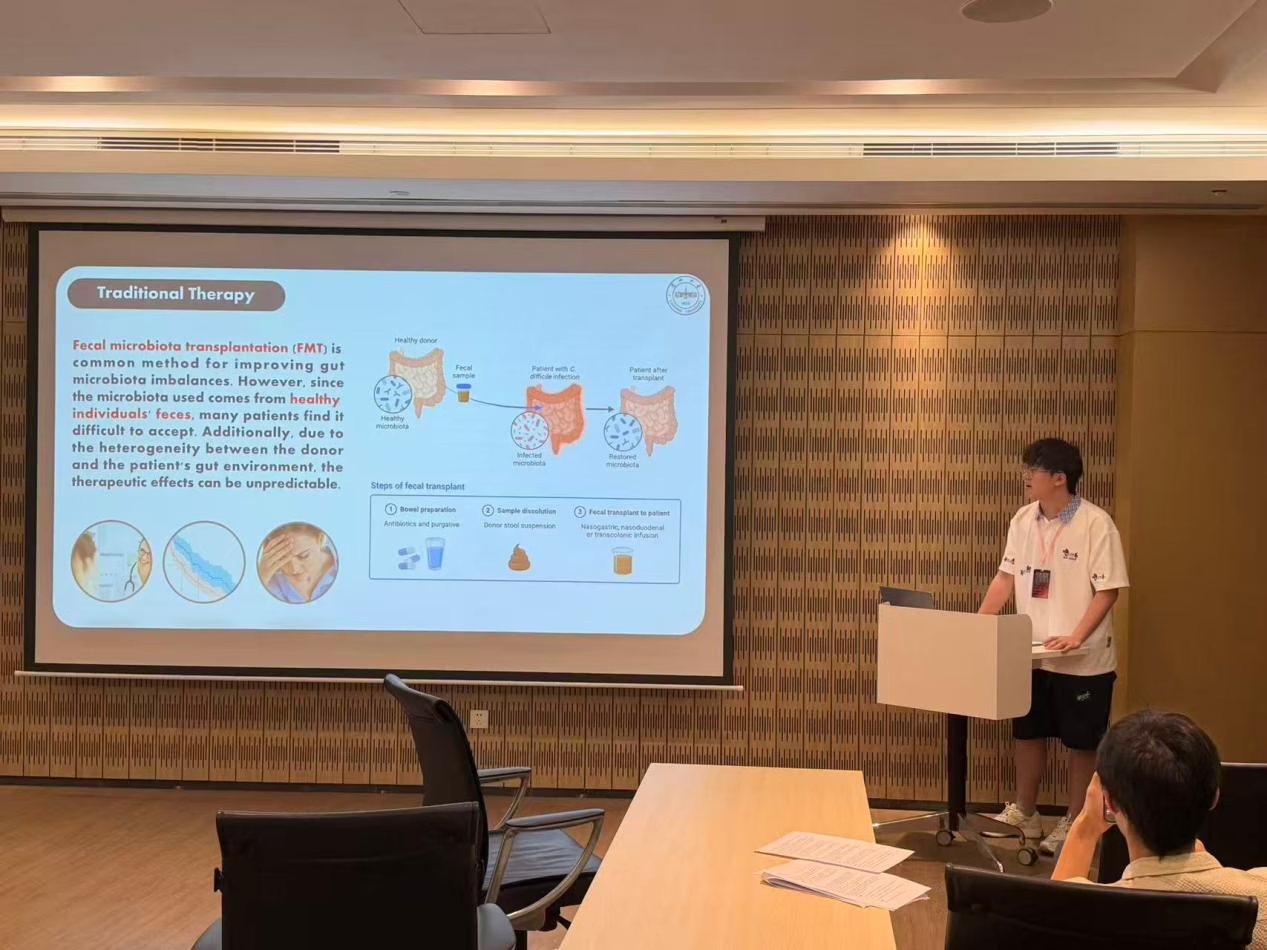

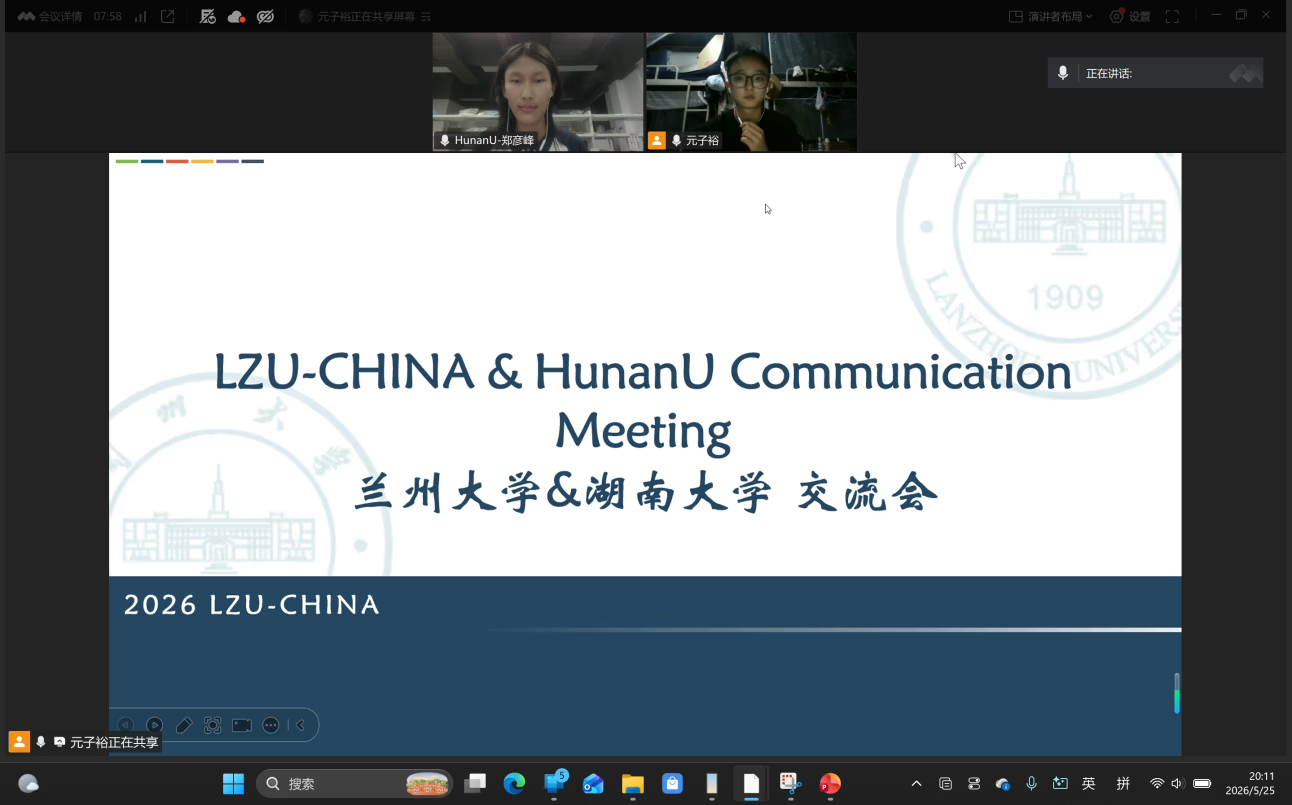
Partnership and exchange records.
Detailed assessment
The detailed sustainability assessment includes all five primary SDG discussions, indirect contributions, photographs and references.