Inclusivity: the complete practice record
People encounter different barriers to understanding and using science. Our work combines healthcare stakeholder dialogue with accessible communication, school outreach and reusable interview resources.
The participation counts and feedback percentages below are reported in the original activity record. They describe that programme; they are not controlled estimates of educational effectiveness.
Overview
Access to healthcare should be considered from the start of a research project. For our team, this means listening to older patients’ caregivers, people working with disabled patients, and staff in hospitals with limited resources. In Gansu, interviews with medical practitioners and representatives of the Gansu Red Cross Society helped us identify barriers that a future diagnostic or therapeutic product would need to address. We combined these conversations with community outreach and school education to make our research easier to understand and discuss.
Our literature review and preliminary interviews highlighted several concerns: difficulties collecting samples from frail patients, limited equipment in local hospitals, the accessibility of colour-based readouts, and the potential cost of future products. In education, students in rural and county-level schools described limited opportunities to encounter synthetic biology. These concerns shaped both our stakeholder discussions and our outreach programme.
We used semi-structured interviews and focus groups to explore how our proposed system might fit into clinical practice. We also organised community booths, exchange meetings, workshops and school lectures. Together, these activities helped us examine assumptions about who could use a future product and who could take part in conversations about it. The clinical applications remain prospective.
1. Understanding barriers to access
1.1 Barriers identified in the literature
Perioperative gut infection can affect a large number of hospitalized patients. Vulnerable populations—including elderly critically-ill patients, disabled in-hospital residents, and patients served by grassroots medical institutions—may bear a disproportionately higher infection risk. However, their practical demands are often under-represented in the early R&D phase of engineered live-biotherapeutic products.
Based on published clinical and health-systems literature, we summarized possible barriers for each group:
Elderly perioperative critically-ill patients: Prior work suggests that adherence to stool-sampling procedures may be poor in elderly or functionally dependent patients, partly because handling fecal specimens is unpleasant and physically burdensome [1]. In addition, cutting-edge engineered-bacteria therapeutics can be difficult for non-specialist patients and families to understand, and older adults are often insufficiently represented in pre-evaluation of novel biomedical prototypes.
Grassroots medical institutions: Resource-limited hospitals may lack high-end diagnostic platforms such as mNGS and qPCR. Conventional culture-based workflows often require prolonged processing and dedicated laboratory capacity, which could restrict timely diagnosis in grassroots settings [2]. Laboratory staff in such settings may also have limited exposure to synthetic biology and live-biotherapeutic concepts.
Hospitalized patients with visual or physical disabilities: Physically frail or disabled inpatients may encounter practical difficulties in stool-sample collection [3]. Meanwhile, standard test-interpretation materials often rely primarily on visual presentation; health-information research indicates that visually impaired users may be underserved when non-visual alternatives are absent [4].
Low-income patient groups: Commercial live biotherapeutics can carry substantial costs. Although this does not imply that all patients will be excluded, existing literature illustrates that pricing and access remain key equity concerns for microbiome-based therapies, which could widen health inequity if accessibility is considered only after product launch [5].
Although our EcN-based prototype offers a potential approach toward point-of-care colorimetric diagnosis, technical advantages alone may not translate into real benefits unless we take into account the practical constraints faced by under-represented groups. Meanwhile, the general public often lacks accessible entry points to understand synthetic-biology-based gut-therapy concepts, especially students from county-level and rural secondary schools.
The literature helped us frame questions for local stakeholders. We then used preliminary interviews to explore which concerns also arose in our clinical and community settings.
1.2 What preliminary interviews revealed
To avoid subjective assumptions derived only from papers, we carried out pre‑interviews with front‑line stakeholders. All participants provided informed consent, and all personally identifiable information was fully anonymized. We did not directly interview patients; patient‑centered demands were collected indirectly via ICU geriatric nurses, laboratory physicians from grassroots hospitals, and staff from disability‑health non‑profit organizations.
The preliminary interviews highlighted three concerns:
Nurses mentioned that ward lighting is often dim. Color signals for diagnosis need high contrast for reliable observation. Complicated multi‑step sample pretreatment cannot be implemented for critically‑ill patients with limited mobility.
Laboratory staff from grassroots hospitals hoped that future detection workflows could reduce reliance on large‑size instruments and keep operating steps concise.
Representatives from the Gansu Red Cross Society pointed out that simple blue‑or‑magenta color read‑out fails to meet the accessibility needs of visually impaired users.
Combining literature evidence and pre‑interview feedback, we defined clear targets for our subsequent inclusivity activities, which contain both clinical‑scenario stakeholder co‑design and diversified public‑oriented educational outreach.
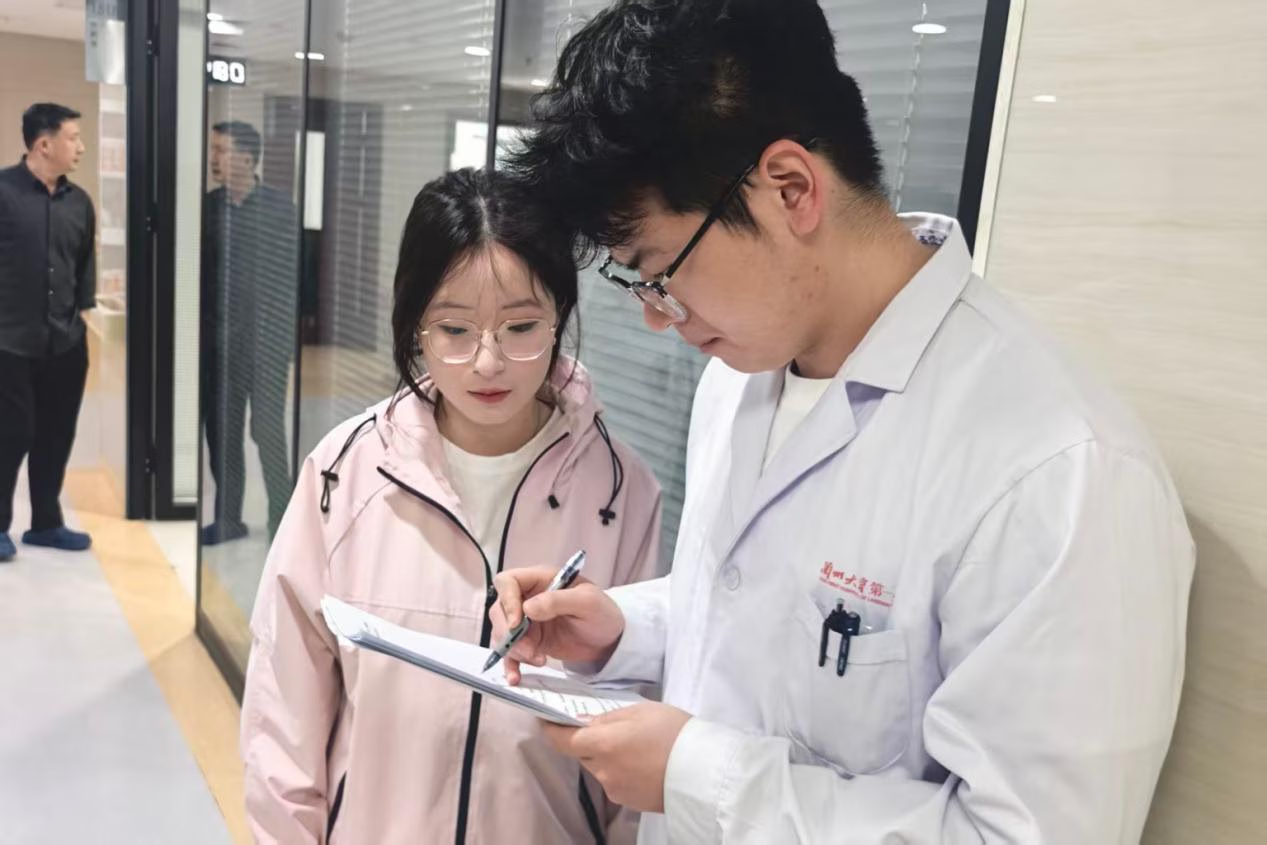
Figure 1-1: On-site record of stakeholder pre-interview. All participants provided informed consent, and all personally identifiable information has been anonymized. We collected patient-oriented demands indirectly via medical workers and the Gansu Red Cross Society representatives, without directly interviewing patients.
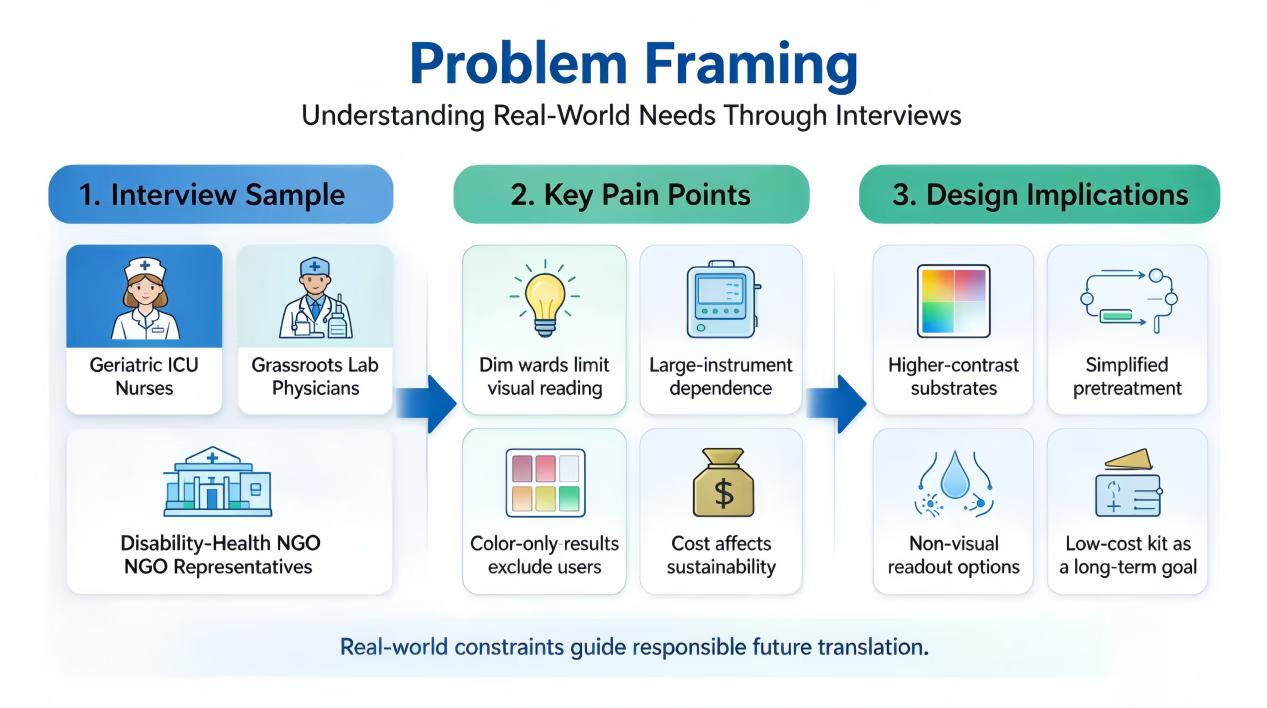
Figure 1-2: Problem framing based on stakeholder interviews. Concerns raised in clinical and community discussions informed our future design priorities. They did not lead to changes to the laboratory prototype.
2. Putting inclusivity into practice
2.1 Inclusivity within our team
Inclusivity begins inside our team. We believe that diverse backgrounds and a supportive communication environment lay the foundation for thoughtful community engagement.
Diverse composition: Our team gathers students majoring in microbiology, clinical medicine, pharmacy, public health and social science. We maintain balanced gender distribution and include members from county‑level and rural backgrounds.
Accessible internal communication: Subtitles are enabled for all online meetings. Meeting minutes are shared after each discussion. Tasks are assigned according to individual strengths. We set psychological‑safety agreements to encourage members with different backgrounds to voice opinions freely.
Internal thematic training: We held short study sessions focusing on healthcare equity and accessible communication for people with disabilities. These sessions helped team members recognize real‑world difficulties of marginalized patient groups and prevented pity‑oriented or stereotyped narratives in our outreach and interviews.
Internal inclusivity shapes our mindset and guides all of our external stakeholder‑engagement and educational work.
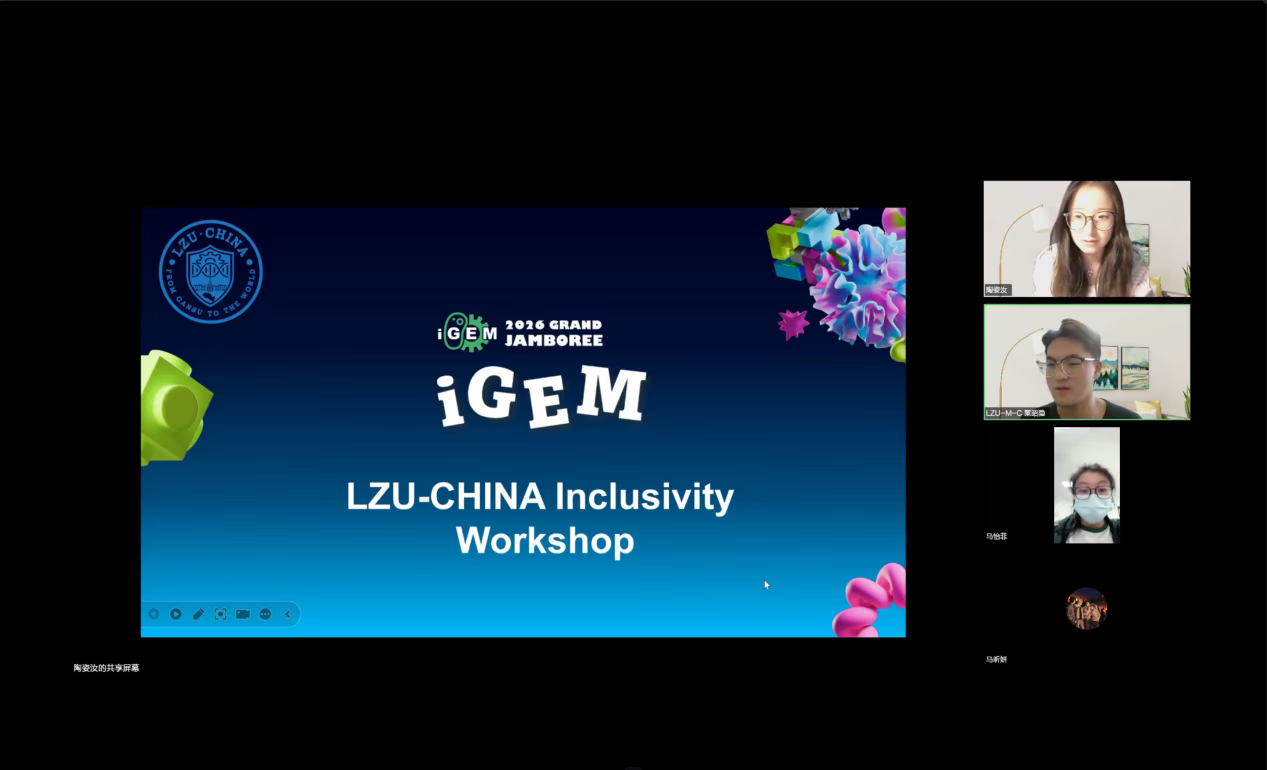
Figure 2-1: Screenshot of the opening session for our internal LZU-CHINA Inclusivity Workshop. Closed-captions were enabled during this online workshop to ensure accessible internal communication.
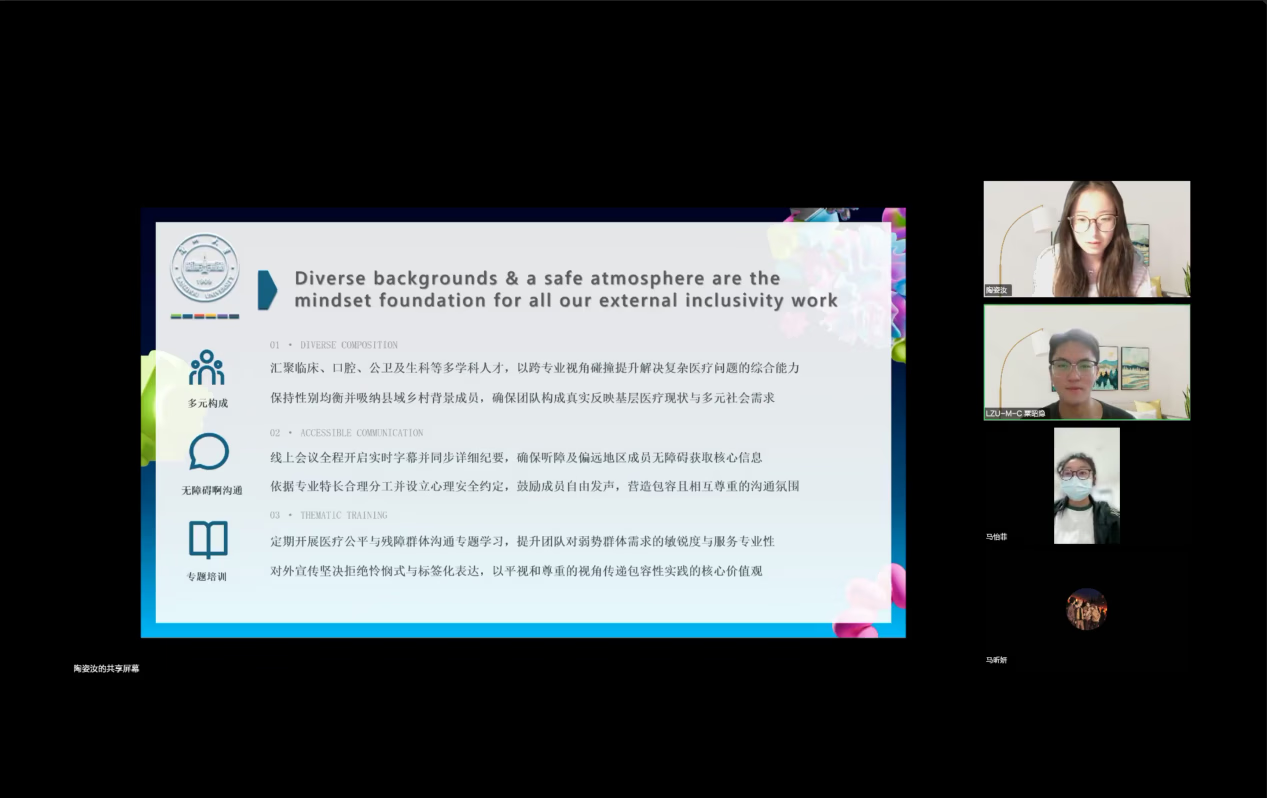
Figure 2-2:Training slide used in our internal inclusivity workshop. We constructed our internal inclusivity framework covering diverse team composition, accessible communication and thematic equity training, guiding our subsequent community engagement.
2.2 How stakeholder dialogue informed our planning
Our project did not involve human experimentation. Stakeholder feedback informed ideas for future clinical use; it did not lead to changes to the laboratory prototype.
We conducted formal semi-structured interviews and focus-group conversations with geriatric ICU nurses, grassroots laboratory physicians and representatives of the Gansu Red Cross Society. Our core question was: what practical obstacles may emerge if our EcN-based live diagnostic-therapeutic system is deployed in real-world clinical settings, and what optimizations can be proposed? Core feedback collected:
Geriatric ward staff suggested simplifying sample pretreatment and improving color contrast for dim ward environments.
Grassroots laboratory personnel emphasized minimizing reliance on bulky laboratory instruments and shortening operating procedures.
Representatives from the Gansu Red Cross Society reminded us that pure colorimetric read-out cannot satisfy visually-impaired end-users.
Based on the above suggestions, we have incorporated the following considerations into our translational design framework:
For grassroots hospital deployment: We propose that future kit development could prioritize simplified sample pretreatment and reduced dependence on large-scale instruments, which may better adapt to resource-limited clinical scenarios.
For elderly wards under low-light ward conditions: We identified high-contrast chromogenic substrates as a design priority for future reporter-module iterations, which could improve signal recognition under dim ward lighting.
For visually-impaired end-users: We will reserve technical interfaces for supplementary non-visual read-out modes including tactile markers and odor-based signal outputs in our follow-up design blueprint, to avoid relying solely on color-based judgment.
For healthcare-equity-oriented translation: We included low-cost, grassroots-oriented kit variants as a long-term translational target, with the aim of reducing potential pricing barriers for resource-limited populations.
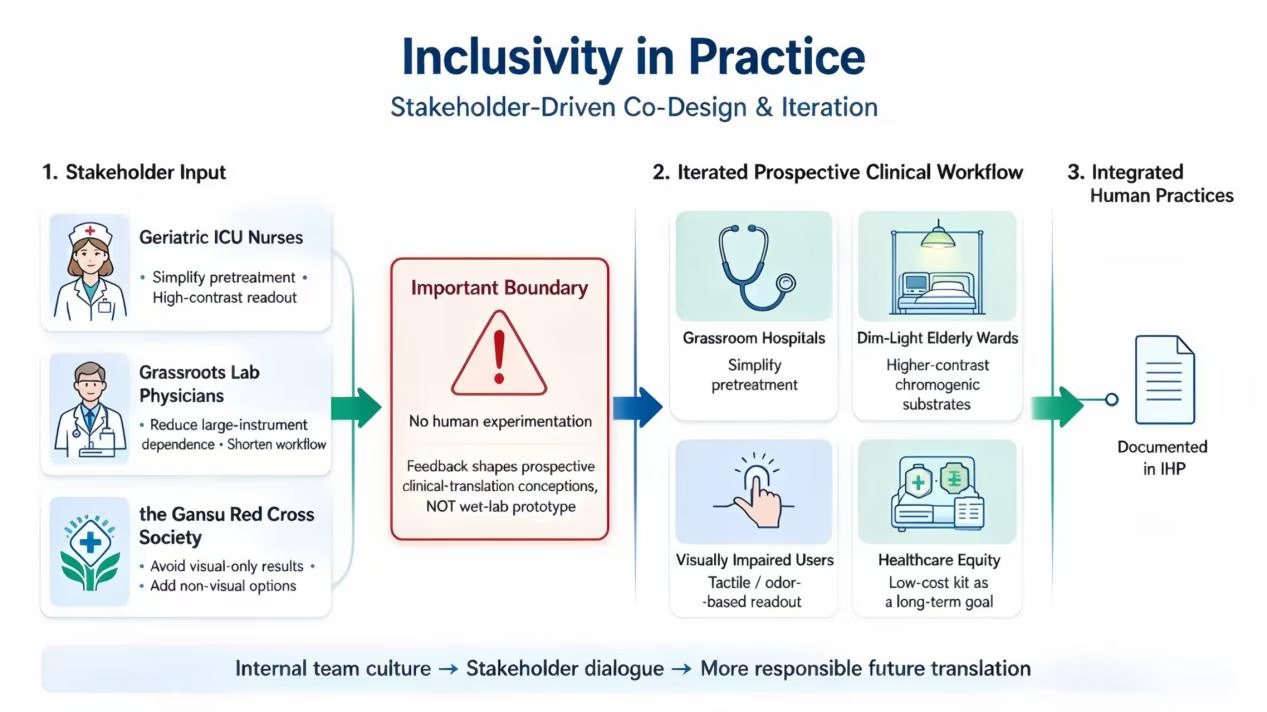
Figure 2-3: Stakeholder-Driven Co-Design & Iteration. No human experimentation and no wet-lab prototype modification were performed in this work. Feedback from ICU nurses, grassroots laboratory physicians and the Gansu Red Cross Society representatives informed four priorities for possible future clinical use. The Community overview connects these considerations to our community work.
2.3 Making science communication accessible
Accessible communication is part of inclusivity. Our outreach involved students from rural and county-level schools, community residents and healthcare audiences with limited access to synthetic-biology resources. The Education section describes our wider teaching programme. Here, we focus on the barriers these audiences faced, the formats we used and the feedback we received.
Booth and Poster Display Activities
We launched 4 offline popular‑science booth activities in urban community plazas and public service spaces, covering a total of 286 participants, most of whom were community residents with no STEM background and middle‑aged and elderly groups lacking access to frontier biomedical knowledge. We designed 4 sets of plain‑language popular‑science posters that abandon professional jargon, visually complicated charts and academic expressions. All content was refined into plain text and clear illustrations, focusing on popularizing perioperative intestinal infection prevention, gut microbiota functions, and our inclusive smart EcN diagnostic and therapeutic system.
We adapted explanations to participants’ needs, slowing our pace and repeating key points when helpful. Clinical examples made unfamiliar ideas easier to discuss. We also held 2 individual on-site consultations. Poster source files are available for adaptation and reuse in local science outreach.
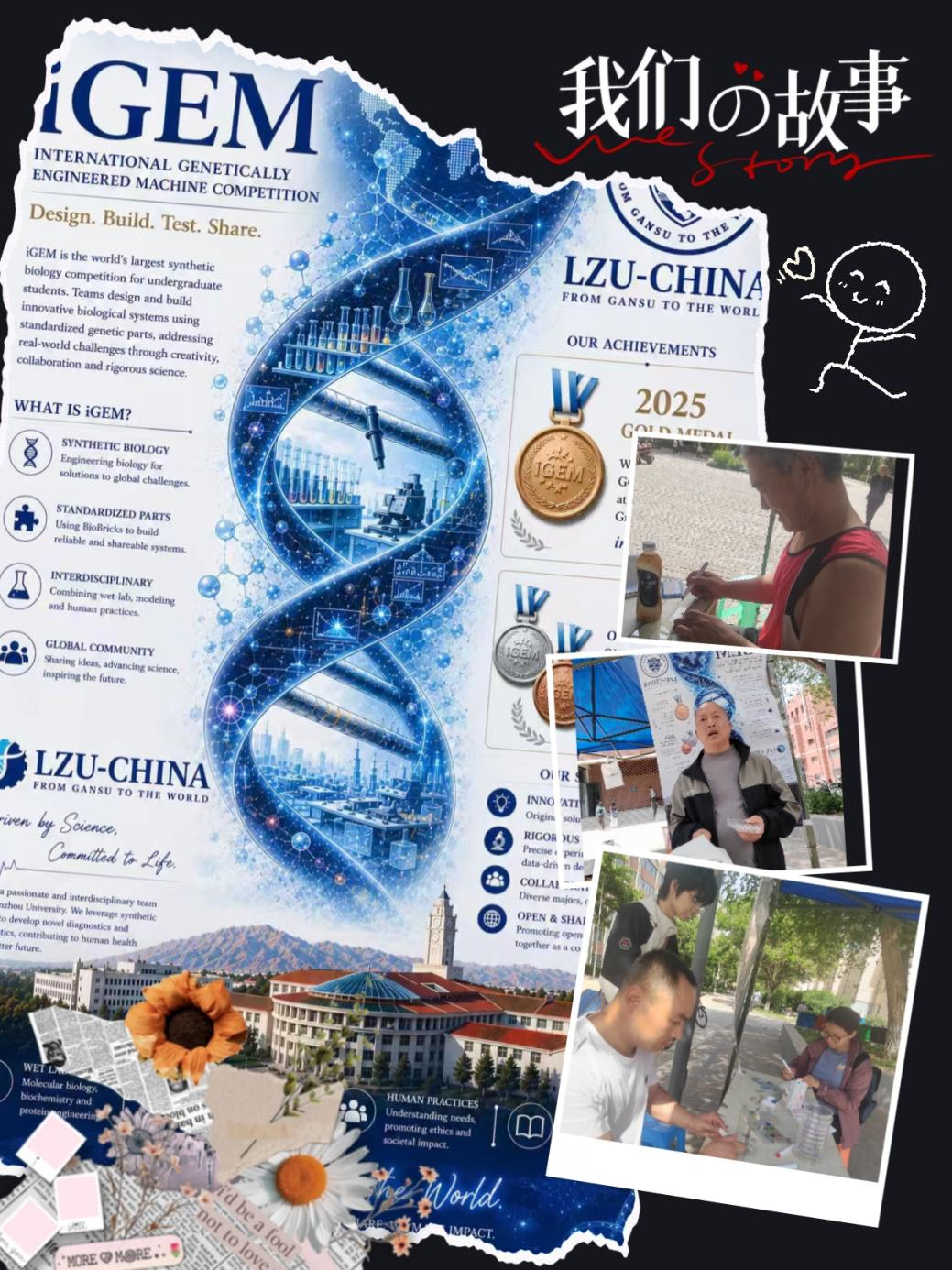
Figure 2-4: Collage of our offline community-popular-science poster materials. Plain-language posters without complex academic jargon were designed for community-oriented science outreach activities.
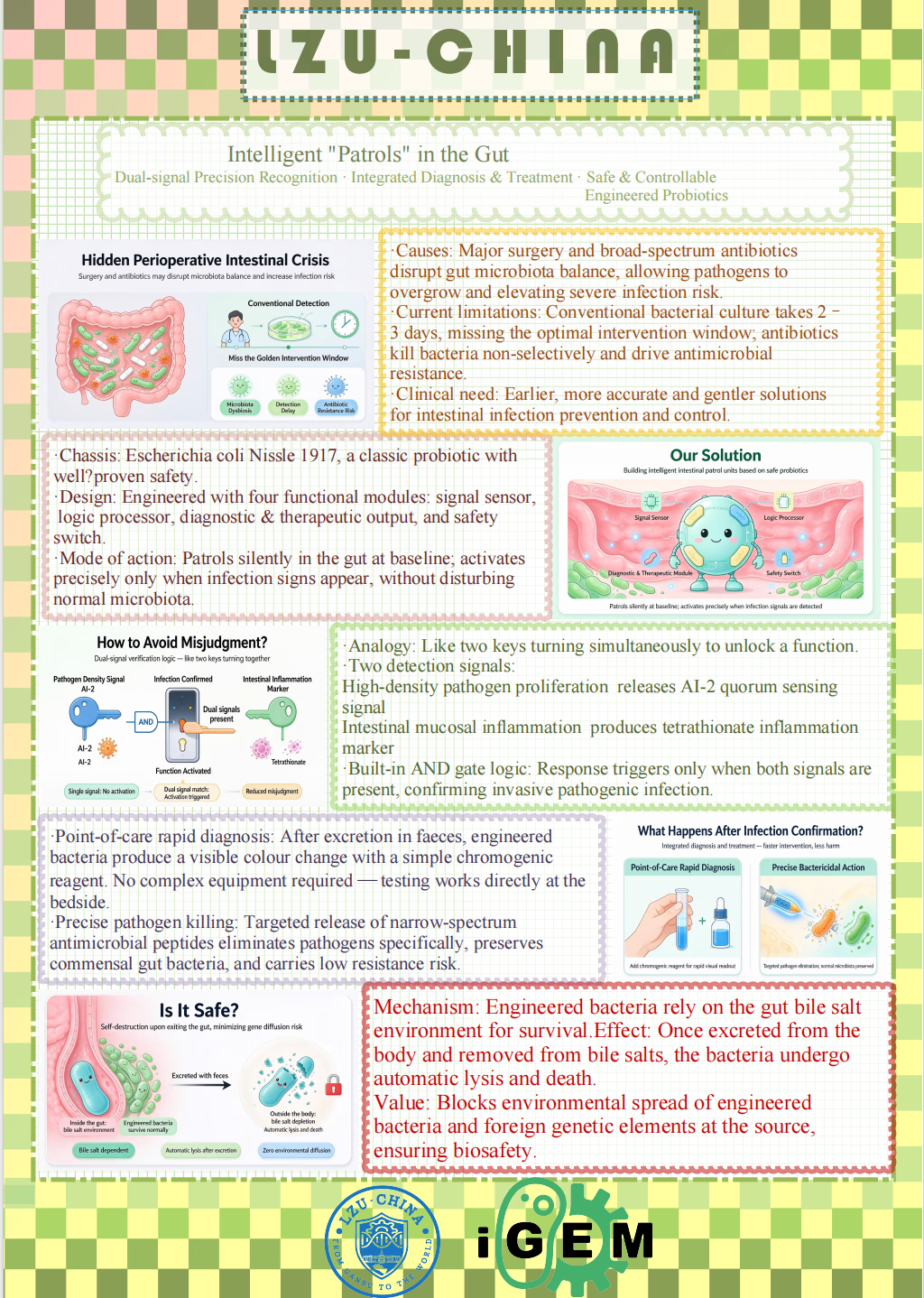
Figure 2-5: Full-version popular-science poster of our project. This printed poster was deployed in offline community booth outreach activities, adopting plain-language expressions and visualized illustrations for audiences without STEM background.
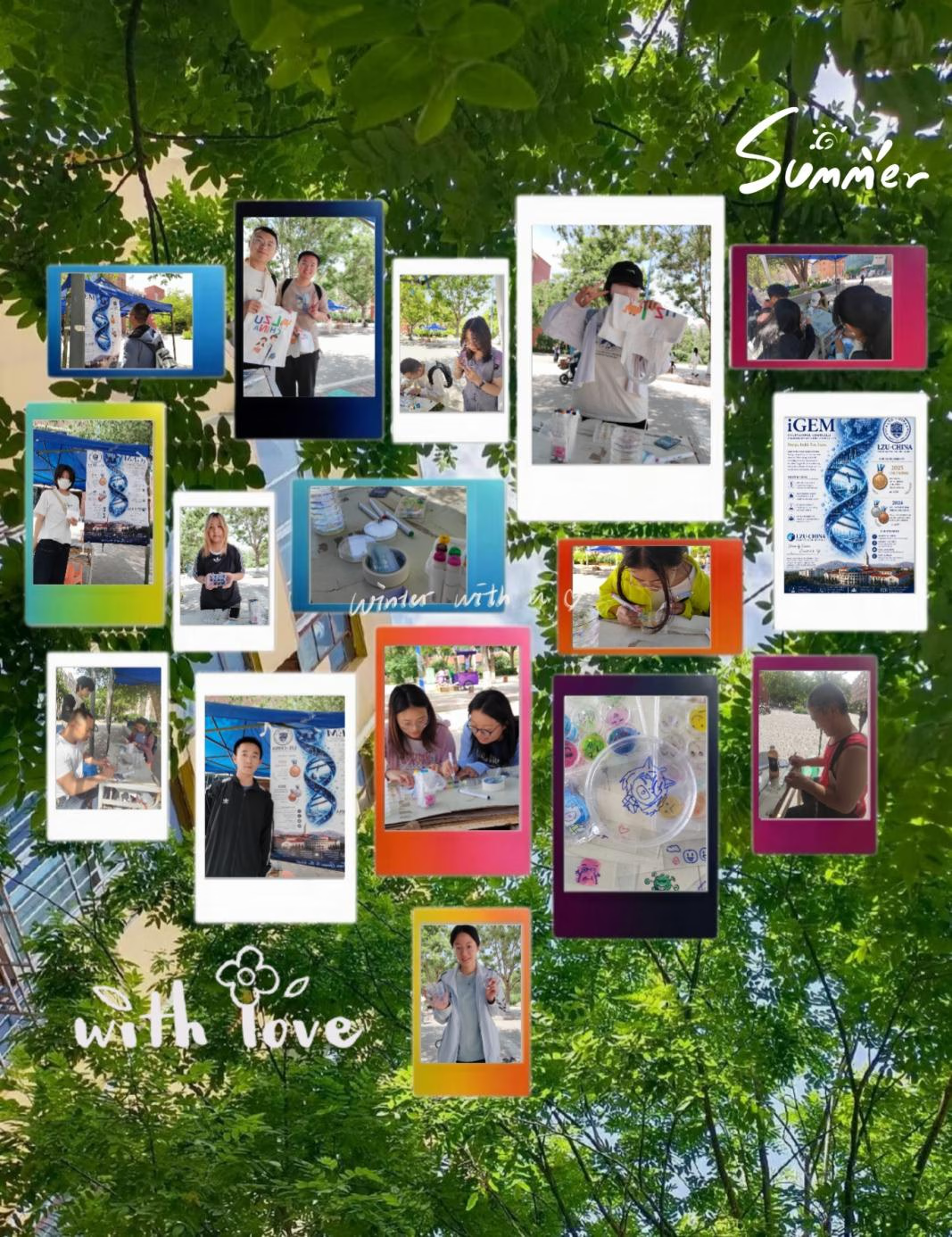
Figure 2-6: Collage of our offline community booth activities. We carried out popular-science booths in urban public plazas, interacting face-to-face with citizens and middle-aged & elderly audiences.
Themed Exchange Meetings
We organized 6 online and offline inclusive science exchange meetings, attracting a total of 128 participants, covering county‑level middle school students, non‑STEM college students, grassroots medical interns and youth public welfare practitioners. Different from single internal team discussions, we took the initiative to invite groups with insufficient synthetic biology education resources to participate in in‑depth dialogues.
The meetings explored challenges in intestinal infection diagnosis, our project concept and questions of healthcare equity. Participants contributed 78 suggestions for improving our outreach materials and communication. More than 85% of participating students from county areas said this was their first structured introduction to synthetic biology and its possible clinical applications. Their feedback informed revisions to our posters, audio materials and explanation scripts.
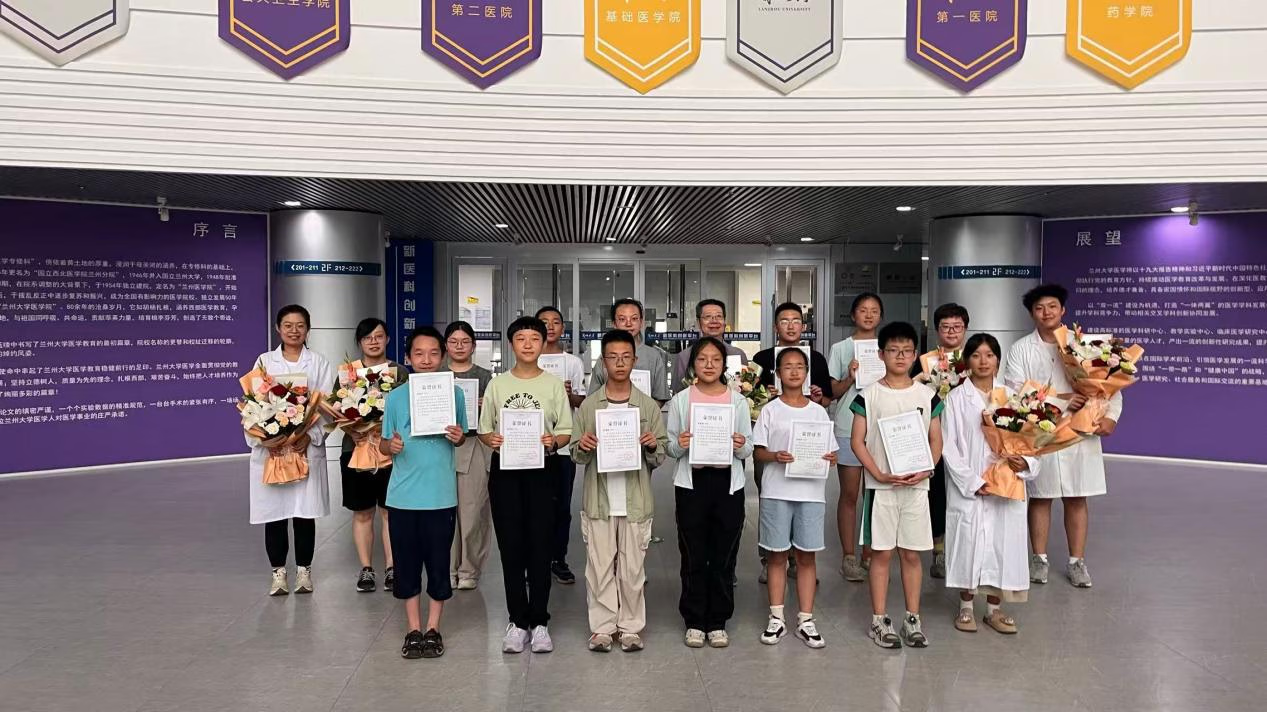
Figure 2-7: Group photo of our offline inclusive science-exchange meeting. This event gathered county-level students, medical interns and youth public-welfare practitioners to discuss healthcare-equity-related topics.
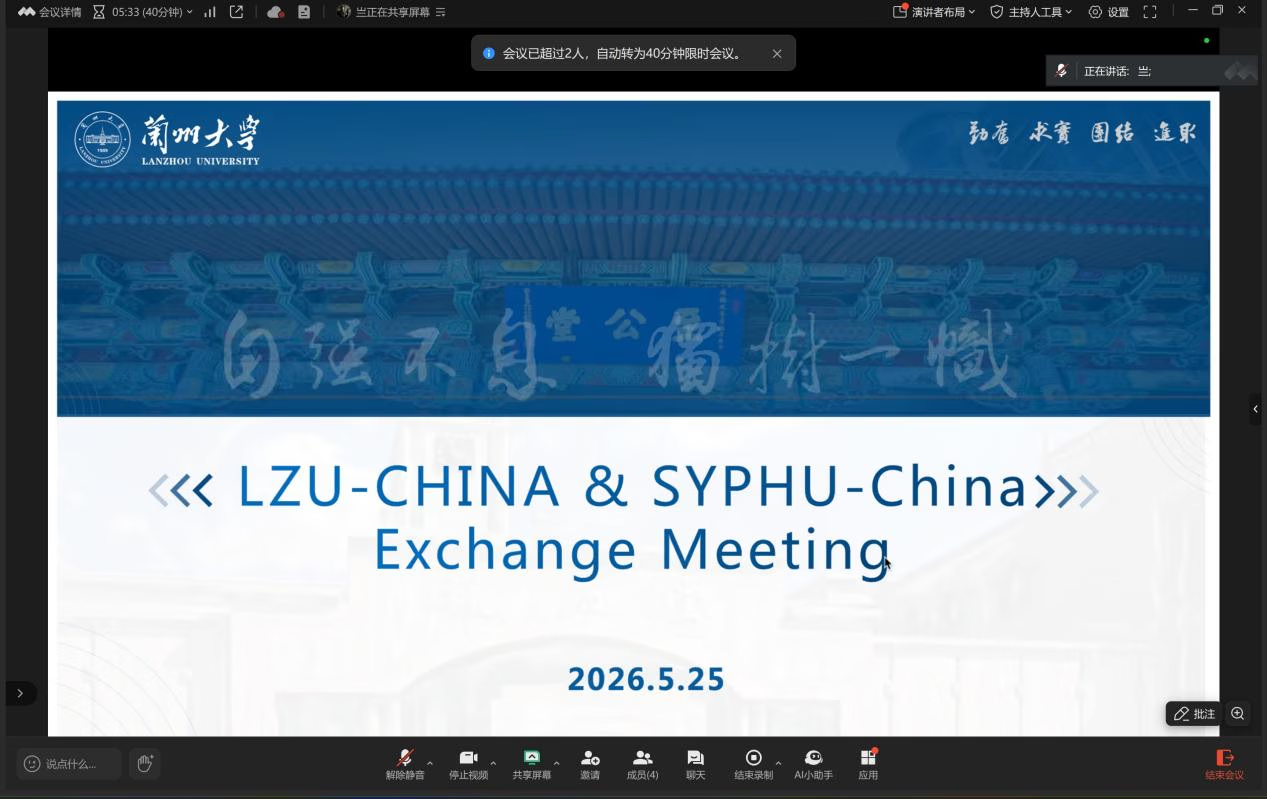
Figure 2-8: Screenshot of cross-team online exchange meeting LZU-CHINA & SYPHU-China Exchange Meeting. We shared our inclusive-science-communication experience with other research teams.
Figure 2-9: Promotional cover for our synthetic-biology popular-science session, introducing student research opportunities and synthetic-biology knowledge for resource-limited youth groups.
Specialized Educational Workshops
We held 5 themed inclusive education workshops, targeting young people with little or no prior knowledge of the subject, including rural and county middle school students and non‑major college students, with a total of 164 registered participants. We completely abandoned complex laboratory operation demonstrations and obscure academic theories, and adopted simplified physical models, animated multimedia videos and scenario‑based teaching methods to interpret gut microbiota balance, intestinal infection pathogenesis and the working principle of intelligent engineered probiotics.
We adapted the workshops to participants’ prior knowledge, introducing basic biology before moving to discussions of healthcare equity. In the post-workshop questionnaire, 60% of participants reported that synthetic biology no longer felt unfamiliar, and 55% of student participants expressed an interest in continuing to follow biomedical and synthetic-biology research. These responses describe participants’ perceptions rather than measured learning gains.
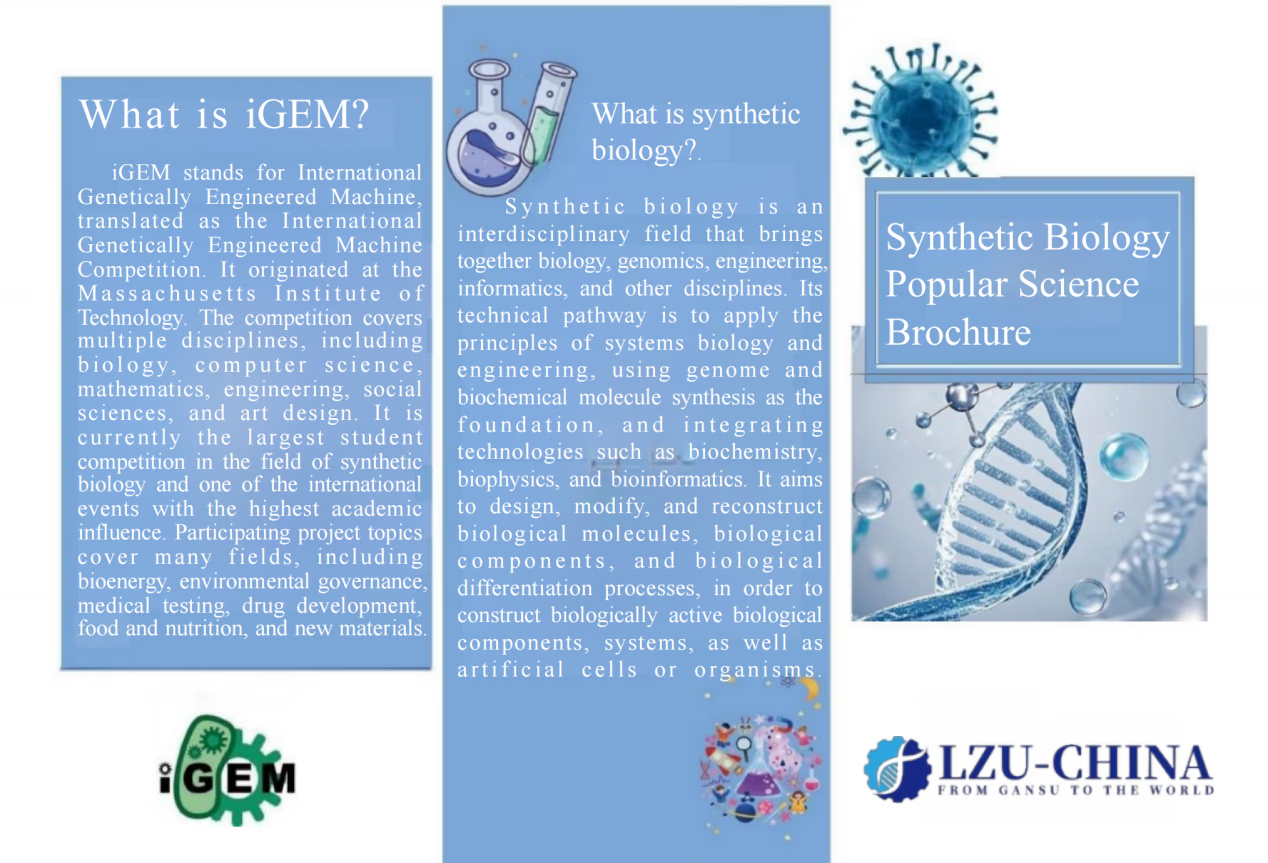
Figure 2-10: Pages from our synthetic-biology popular-science brochure, adopted in educational workshops to lower the learning threshold for participants new to the subject.
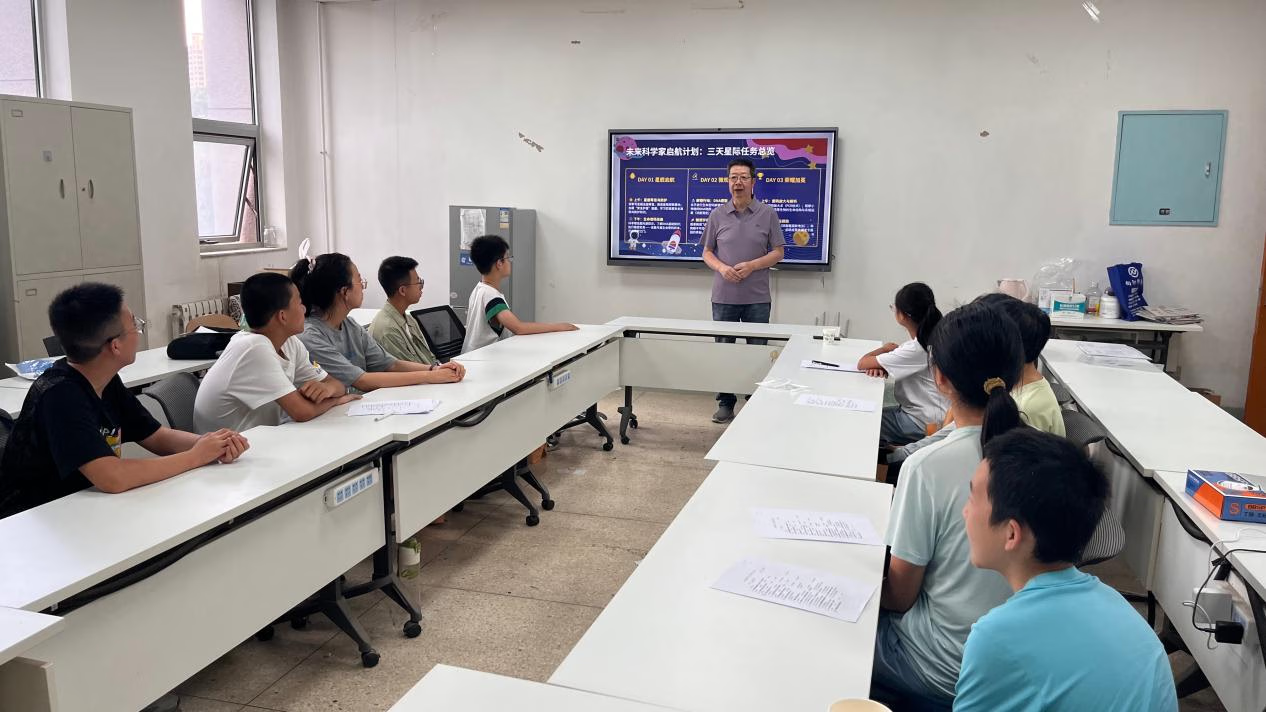
Figure 2-11: Scene of our inclusive educational workshop. We adopted scenario-based teaching and simplified models for students from county-level and rural areas.
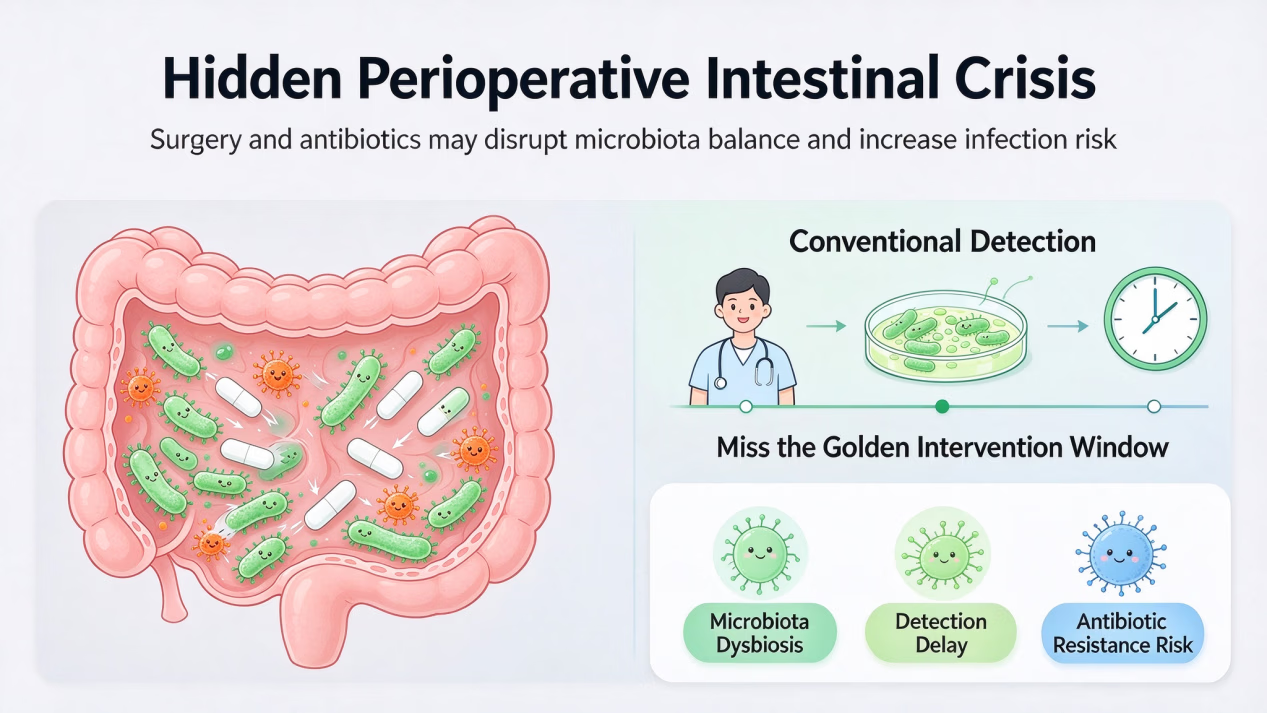
Figure 2-12: Illustration of hidden peri-operative intestinal crisis. This schematic diagram visualizes how surgery and broad-spectrum antibiotics disrupt gut microbiota and raise the risk of intestinal infection, as well as the limitation of conventional detection methods.
Inclusive County‑Level Middle School Lectures
We delivered introductory lectures in 7 rural and county-level public middle schools and high schools. These visits focused on students with limited local opportunities to learn about synthetic biology, student research and possible biomedical applications.
Project members prepared a shared lecture outline, scripts, presentation slides and time for questions. Topics included intestinal health, our research concept and how synthetic biology might address healthcare needs. The sessions reached 423 rural and county-level students.
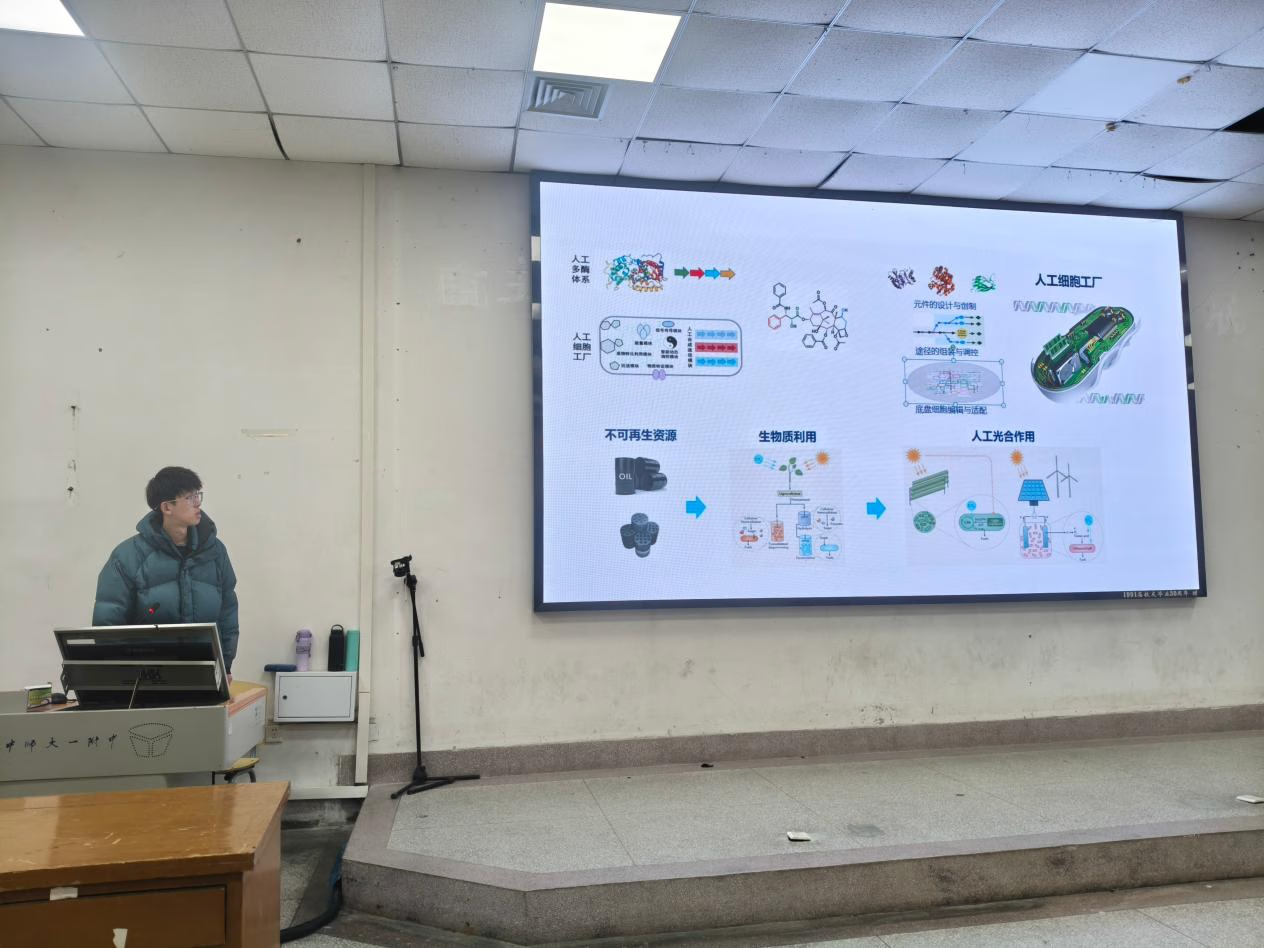
Figure 2-13: Scene of our inclusive county-level middle school lecture. We developed custom popular science content and delivered lectures on synthetic biology applications for local adolescent students.
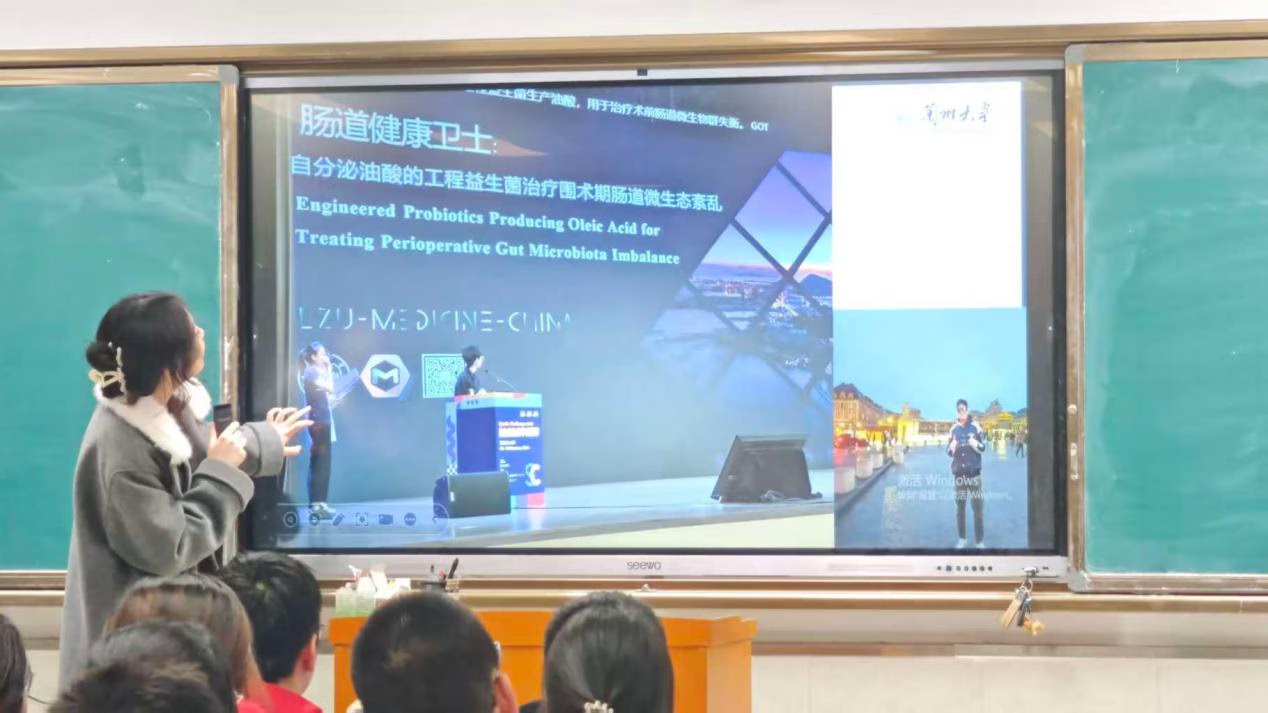
Figure 2-14: Q&A session during our county-level middle-school lecture. We introduced gut-health-related synthetic-biology applications for local teenagers.
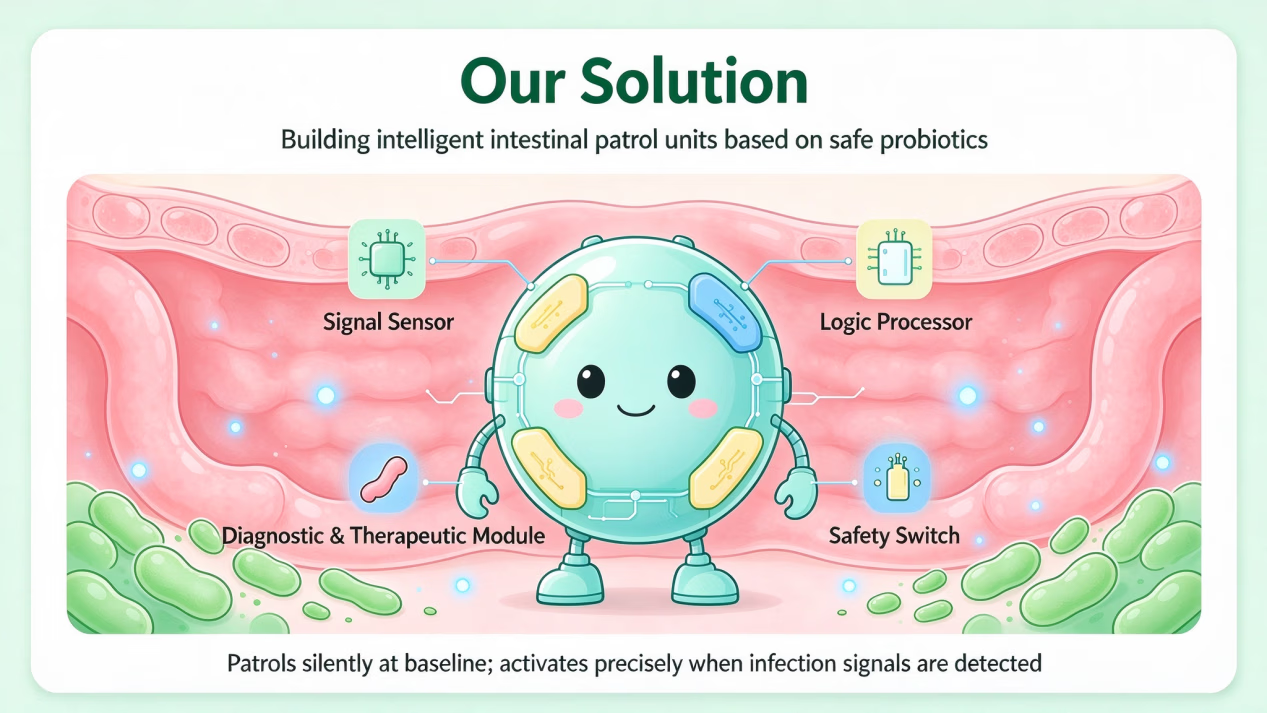
Figure 2-15: Schematic overview of our envisioned EcN-based diagnostic-therapeutic probiotic solution. This diagram demonstrates four core functional modules: signal sensor, logic processor, diagnostic-therapeutic module and safety switch.
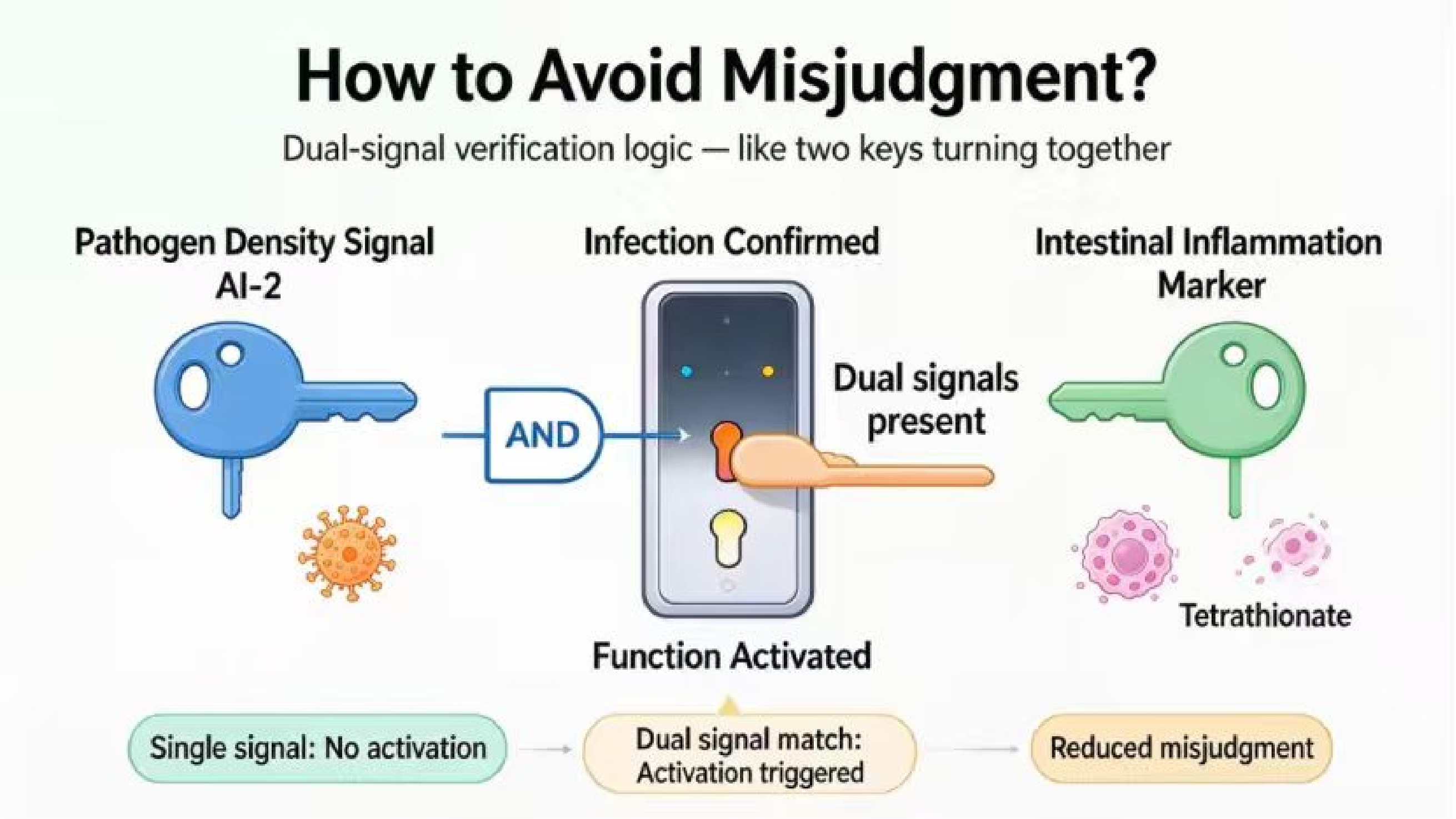
Figure 2-16: Dual-signal verification logic design. This diagram illustrates our “two-key” AND-gate mechanism, which requires both pathogen-density signal and intestinal-inflammation marker to activate our engineered probiotic system and reduce misjudgment risk.
The lectures gave students an introduction to synthetic biology and a chance to discuss biomedical research and healthcare equity. Our aim was to make an unfamiliar field more approachable and encourage further questions, rather than assume that a single visit could close the gap in access to science education.
We also prepared accessible resources for healthcare staff and patient groups:
-
Concise illustrated leaflets for grassroots medical staff, summarizing key background knowledge of our EcN-based detection system, tailored for quick reading in busy clinical environments
-
Podcast-style audio scripts introducing intestinal infection and our project in plain language, offering an alternative to visual and text-heavy materials.
All on-site shooting, material collection and participant-information handling for above activities strictly followed informed-consent and anonymization standards, as documented in our activity record.
2.4 Sharing resources with the iDEC community
To help other synthetic-biology teams reuse our work, we have compiled practical documents and educational materials from our project:
-
Healthcare stakeholder interview protocols — Open PDF · Download PDF
-
General stakeholder-investigation templates — Open PDF · Download PDF
-
Inclusivity guidance for student biomedical research teams — Open PDF · Download PDF
These supporting resources are available for adaptation by the iDEC community. Select a document above to view the complete PDF and adapt the materials for your own project.
We plan to host an online sharing session within the iDEC community, discussing practical approaches for healthcare-related teams to make their community work more inclusive, including how to adapt booths and school outreach to different audiences.
We encourage biomedical research teams to involve people from under-represented groups early in design, while there is still time for their concerns to influence the project.
3. Feedback and limitations
3.1 What participants told us
Anonymous questionnaires and short follow-up visits were adopted to collect feedback from interview participants, workshop attendees, booth visitors and students joining our inclusive middle school lecture activities. We distributed a total of 187 anonymous questionnaires, including 150 online questionnaires and 37 offline questionnaires, and received 154 valid responses, a response rate of 82.4%.
Some representative feedback is summarized below:
-
Medical staff commented that our simplified point-of-care testing conception fits real-world clinical constraints in grassroots hospitals. They suggested that future research should keep paying attention to practical limits inside wards.
-
Partners from the Gansu Red Cross Society affirmed that our audio materials are helpful for visually impaired audiences, while physical Braille resources are still in demand.
-
Youth participants in workshops and inclusive lectures mentioned that plain-language posters and vivid models helped them become more familiar with synthetic biology. Several students hoped for more long-term popular-science courses.
Participant feedback highlighted what worked and where further changes were needed.
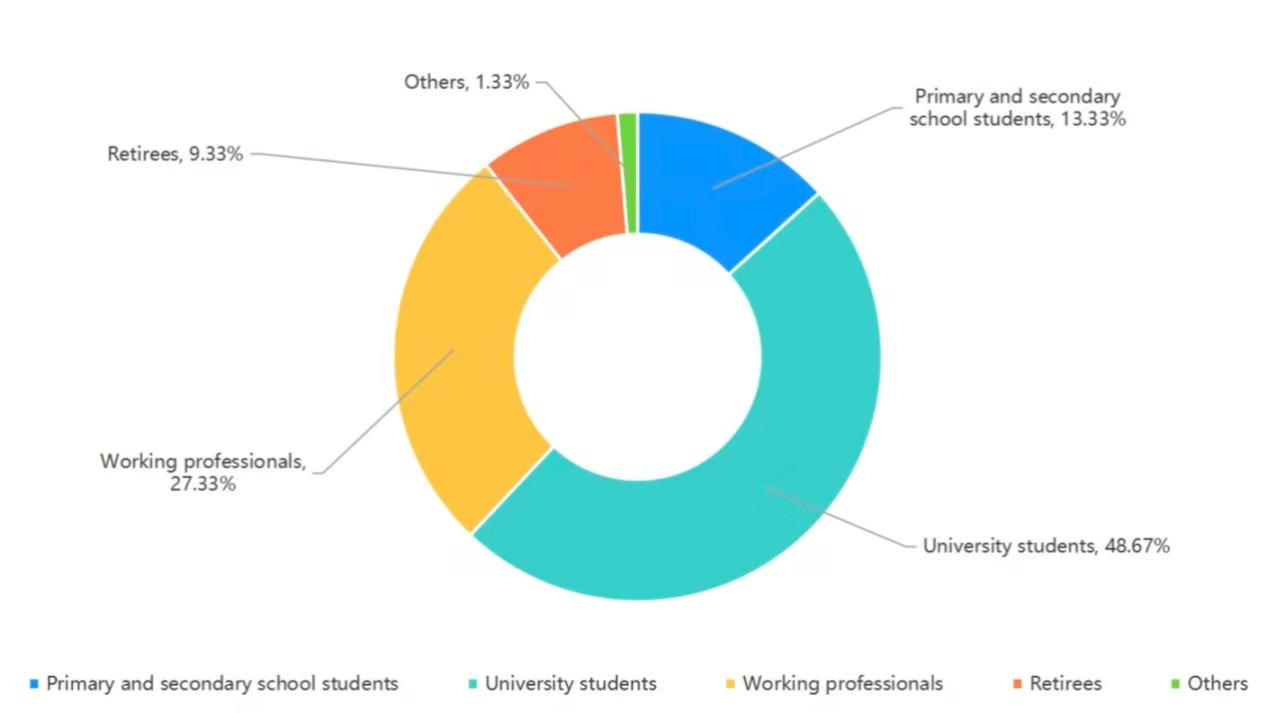
Figure 3-1: Demographic distribution of questionnaire respondents. This ring chart shows the identity composition of participants who took part in our survey, covering students, in-service staff, retirees and other groups.
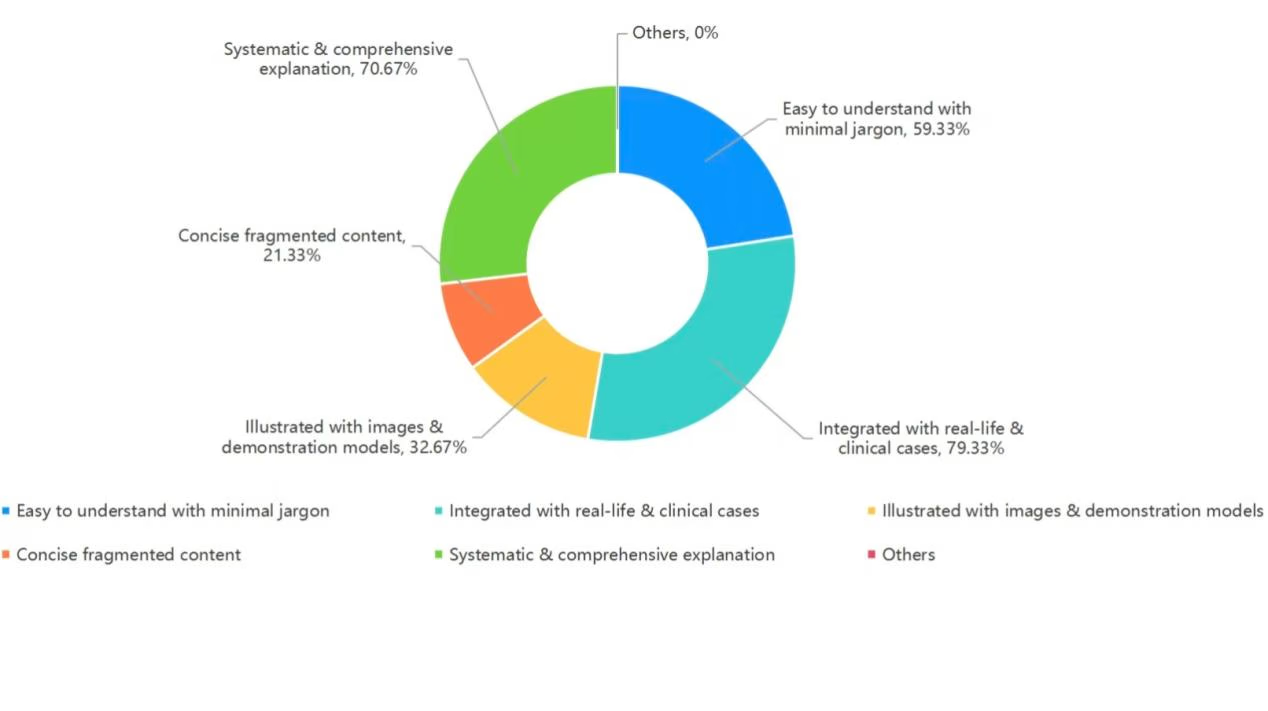
Figure 3-2: Respondents’ preferences for popular-science content styles. The ring chart illustrates which types of content participants value most for inclusive science communication activities. Percentages represent the share of respondents selecting each option.
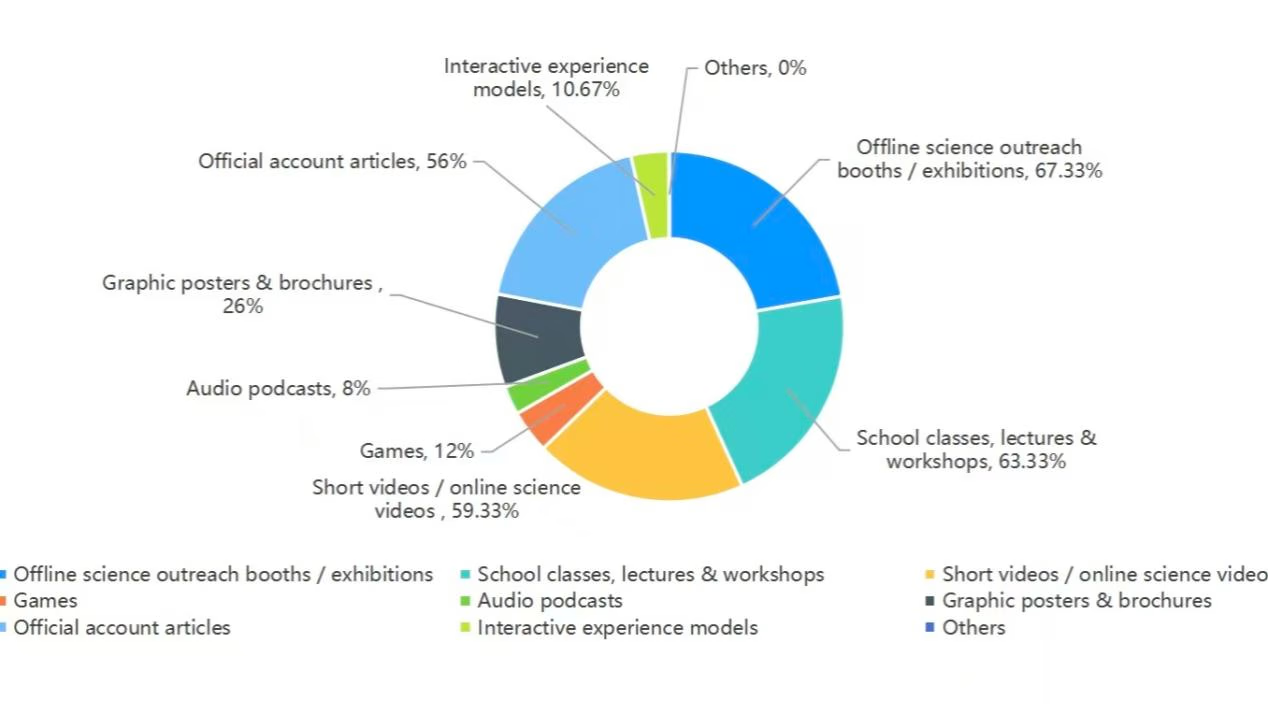
Figure 3-3: Preferred science-communication channels among survey participants. Note: This is a multiple-choice question; percentages represent the share of respondents selecting each option, and the total sum may exceed 100%.
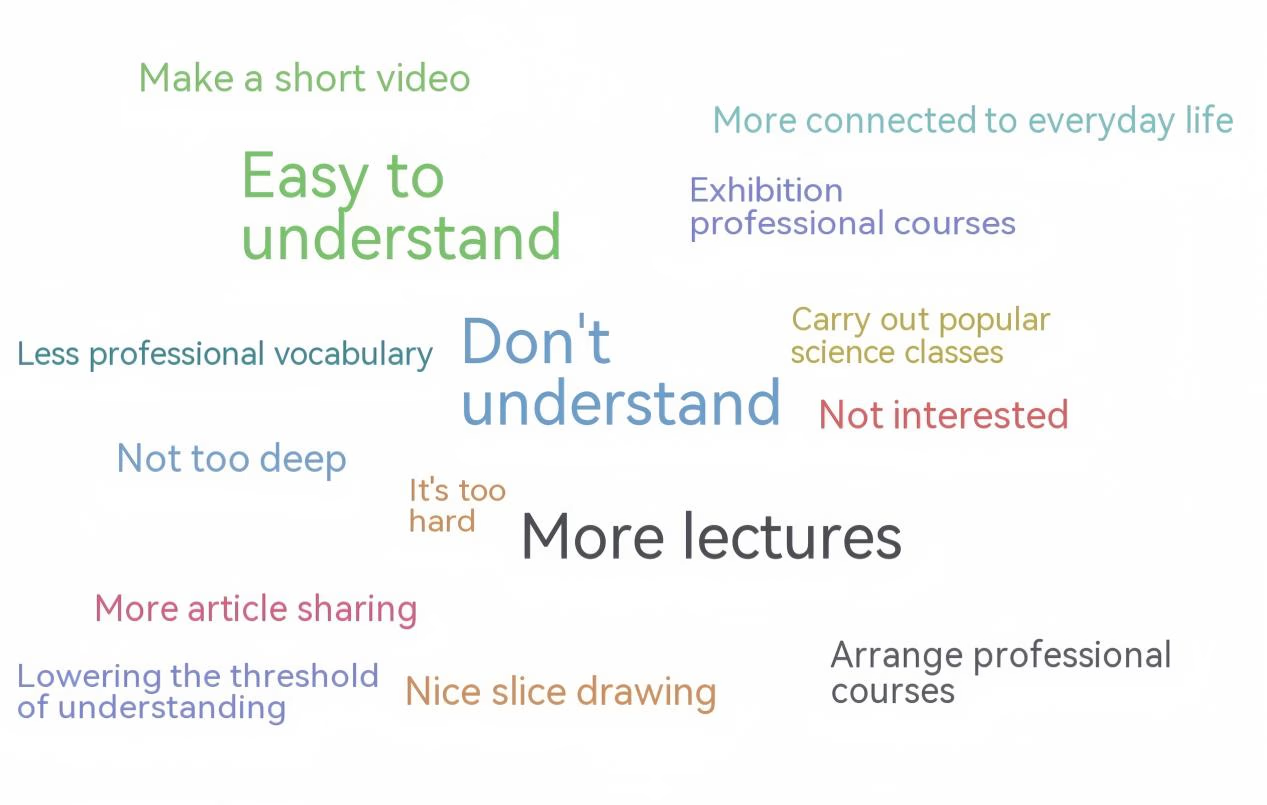
Figure 3-4: Word cloud generated from open-ended suggestions submitted by questionnaire participants. These comments helped us identify ways to improve subsequent outreach activities.
3.2 Limitations and next steps
Several limitations remain, particularly in whose perspectives we could collect and how widely we could share our materials.
Clinical and ethical constraints prevented us from directly interviewing critically ill patients. We instead spoke with ICU geriatric nurses, laboratory physicians and Gansu Red Cross Society staff who work with these groups. Their perspectives are valuable but cannot substitute for patients’ own accounts. To reduce reliance on any one perspective, we used semi-structured questions, compared feedback across stakeholder groups and consulted the literature discussed in Section 1.1. Future work would require appropriate ethical approval and suitable procedures before collecting patient perspectives directly.
Our inclusivity outreach is also bounded by resources and geography. Restricted by available project resources, we have completed audio-format accessible materials for visually-impaired audiences, while physical Braille versions are yet to be developed. In-person outreach events including booth activities, exchange meetings and county-middle-school lectures cannot fully cover participants in extremely remote regions.
The proposed changes for accessibility remain ideas for future product development. Work so far has been limited to laboratory prototypes; no human clinical trials have been conducted.
These practical constraints point to clear directions for follow-up improvement. In future activities, we intend to further iterate popular-science content, expand outreach coverage, and continuously collect multi-perspective suggestions from diverse stakeholder groups to refine our inclusivity framework.
Conclusion
Our work in Gansu reminded us that a promising research concept must also be understandable, affordable and practical for the people who might use it. Conversations with caregivers, healthcare staff and community representatives brought these questions into our planning before any clinical application.
Stakeholder interviews helped us recognise gaps in our assumptions about access. The ideas they informed remain prospective, and direct patient perspectives are still missing. These limits will shape how we plan further engagement.
Beyond healthcare discussions, our school visits, community activities and shared interview resources offered ways for more people to encounter and question synthetic biology. We hope other student teams can adapt these materials to their own audiences.
Our next priorities are to improve accessible formats, reach communities beyond our current coverage and continue collecting feedback. Inclusivity requires repeated listening and revision, not a single set of activities.
References
[1] Grego S, Welling CM, Miller GH, Coggan PF, Sellgren KL, Hawkins BT, Ginsburg GS, Ruiz JR, Fisher DA, Stoner BR. A hands-free stool sampling system for monitoring intestinal health and disease. Sci Rep. 2022 Jun 27;12(1):10859. doi: 10.1038/s41598-022-14803-9. PMID: 35760855; PMCID: PMC9237014.
[2] Hogue SR, Gomez MF, da Silva WV, Pierce CM. A Customized At-Home Stool Collection Protocol for Use in Microbiome Studies Conducted in Cancer Patient Populations. Microb Ecol. 2019;78(4):1030–1034. doi:10.1007/s00248-019-01346-2. PMID: 30929045; PMCID: PMC6768769.
[3] Patel HM, Kaur R, Ali MH, Hadi Z, Parikh A, Khan SH, Kamireddy M, Faiz H, Kamani YG, Agarwal A. Evaluation of non-invasive diagnostic tools for diarrhea: a systematic review of point-of-care tests and biomarkers. Ann Med Surg. 2024;86(5):2951–2962. doi:10.1097/MS9.0000000000001946. PMID: 38694383; PMCID: PMC11060204.
[4] Beverley CA, Bath PA, Booth A. The health information needs of visually impaired groups: a systematic review of the literature. Health & Social Care in the Community. 2004;12(1):1–24. doi:10.1111/j.1365-2524.2004.00460.x.
[5] DuPont HL, DuPont AW, Tillotson GS. Microbiota restoration therapies for recurrent Clostridioides difficile infection reach an important new milestone. Ther Adv Gastroenterol. 2024;17:17562848241253089. doi:10.1177/17562848241253089. PMID: 38800353; PMCID: PMC11119484.