Sustainability: detailed SDG assessment
The detailed SDG assessment and original activity illustrations remain available for closer inspection.
This assessment connects our iDEC project with sustainable-development questions through its full SDG discussion, activity photographs and bibliography. It complements our sustainability overview.
1. Introduction
As the LZU-CHINA team exploring an engineered Escherichia coli Nissle 1917 (EcN-1917) platform for real-time intestinal infection monitoring and targeted antimicrobial intervention, we examined our project's alignment with the UN Sustainable Development Goals (SDGs) [1]. Rather than claiming comprehensive coverage across all 17 goals, we focus on five SDGs relevant to our proposed design, community engagement activities, and collaboration outcomes. For each, we specify the relevant target, acknowledge the proof-of-concept stage of our work, and draw on literature where applicable.
2. Direct Contributions
2.1 SDG 3: Good Health and Well-being (Target 3.8 — Universal Health Coverage)
Postoperative intestinal infections complicate recovery and drive antibiotic overuse, which accelerates antimicrobial resistance [2]. Our engineered EcN-1917 system uses a dual-input AND gate (AI-2 quorum-sensing signal + tetrathionate) to trigger LacZ colorimetric diagnosis and Microcin J25 therapy only when both pathogen markers are detected. This design aims to reduce reliance on prophylactic broad-spectrum antibiotics, with the goal of offering a biologically targeted alternative for perioperative gut infection management.
We acknowledge that our system remains at the proof-of-concept stage; no animal or clinical validation has been conducted. However, the rationale builds on established evidence: engineered commensals can colonize the mammalian gut long-term and function as live diagnostics [3], and probiotic interventions reduce postoperative infection incidence in gastrointestinal surgery [2]. If translated, our approach could support SDG 3.8 by providing a precision alternative to empirical antibiotic prophylaxis.
Cross-reference: This clinical rationale was refined following expert feedback at the 1st APIC Conference (see Collaboration 2.7), where clinicians raised questions on target specificity and in-vivo colonization that informed our revised module priorities.
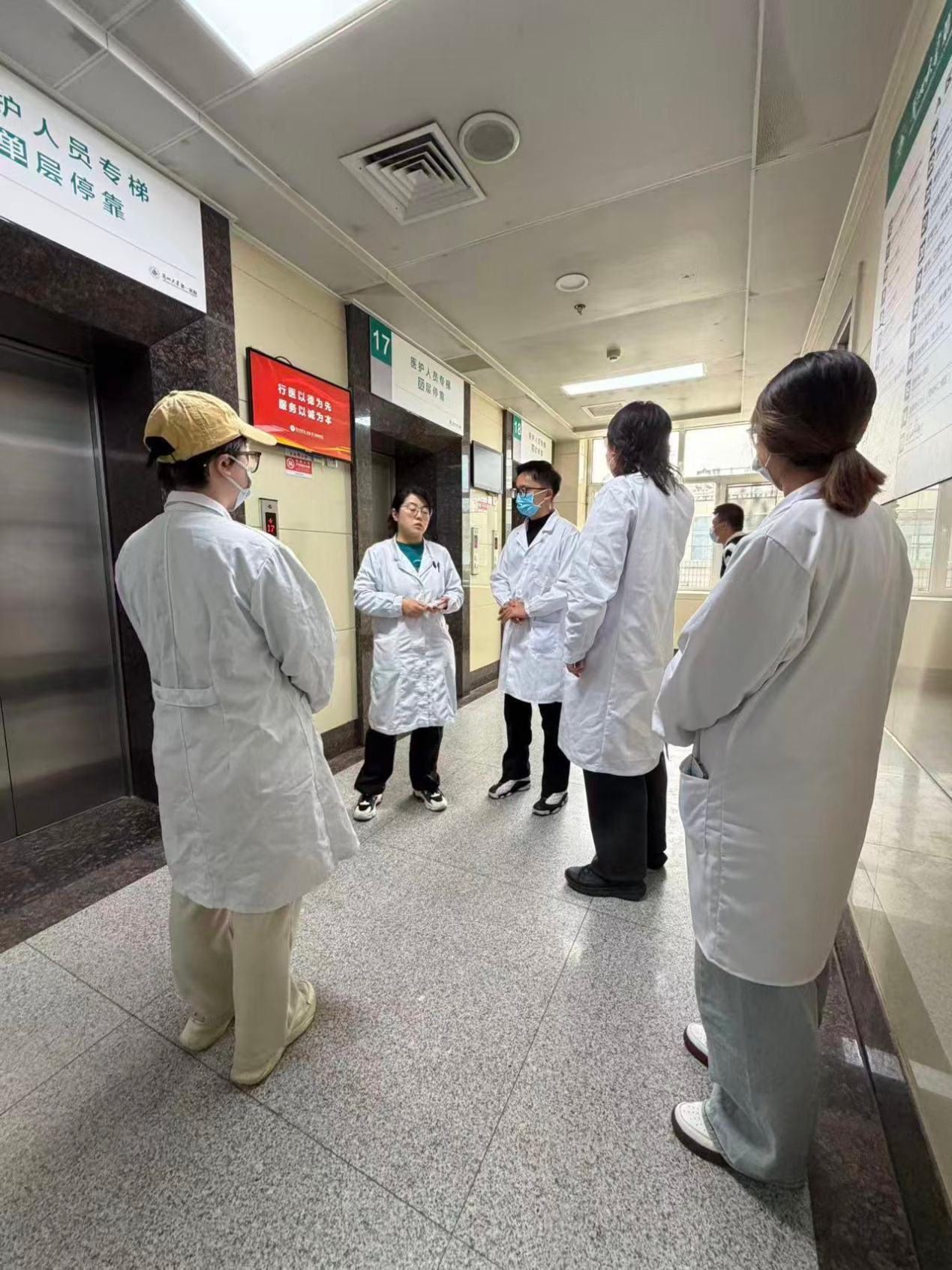
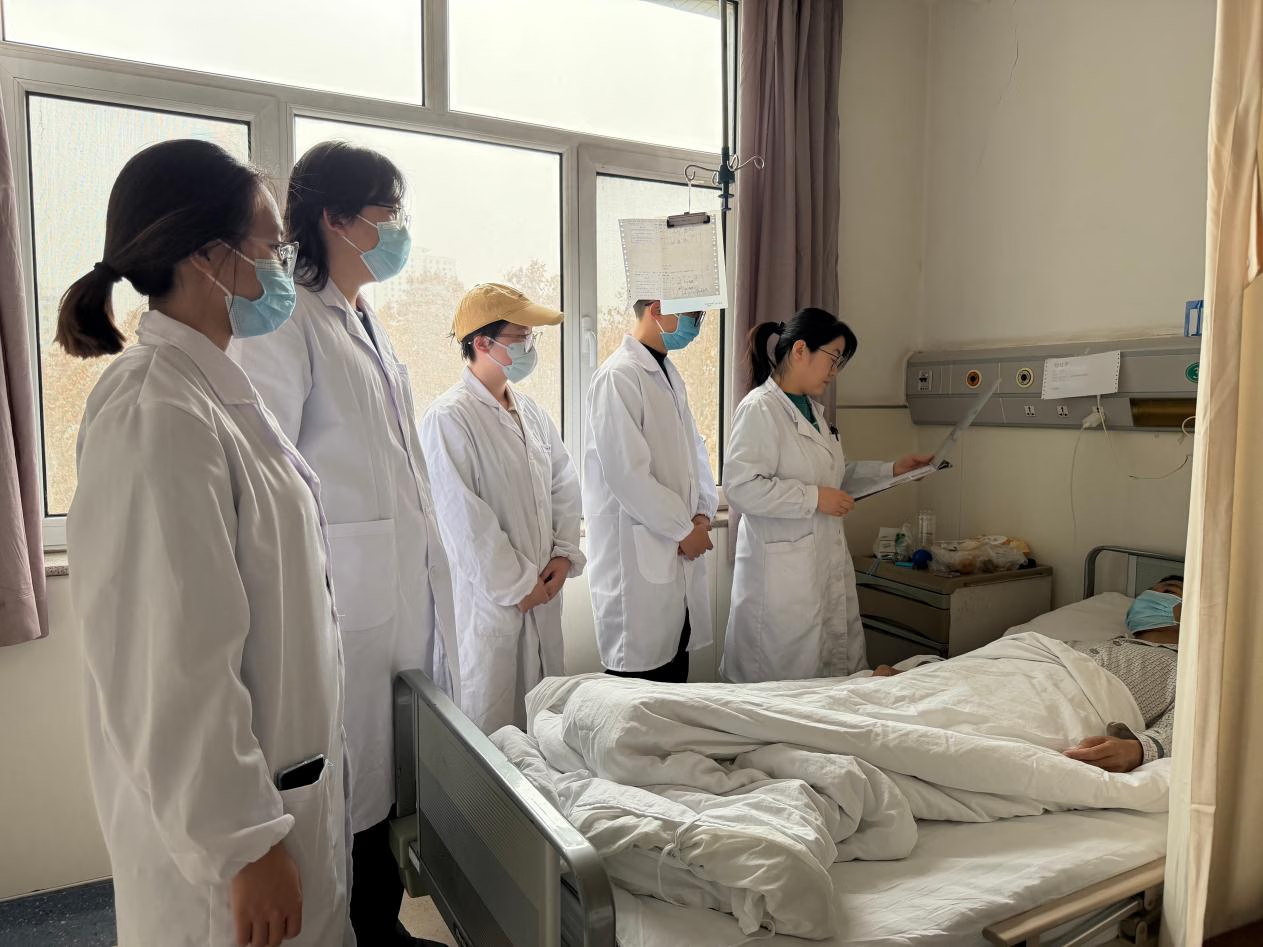
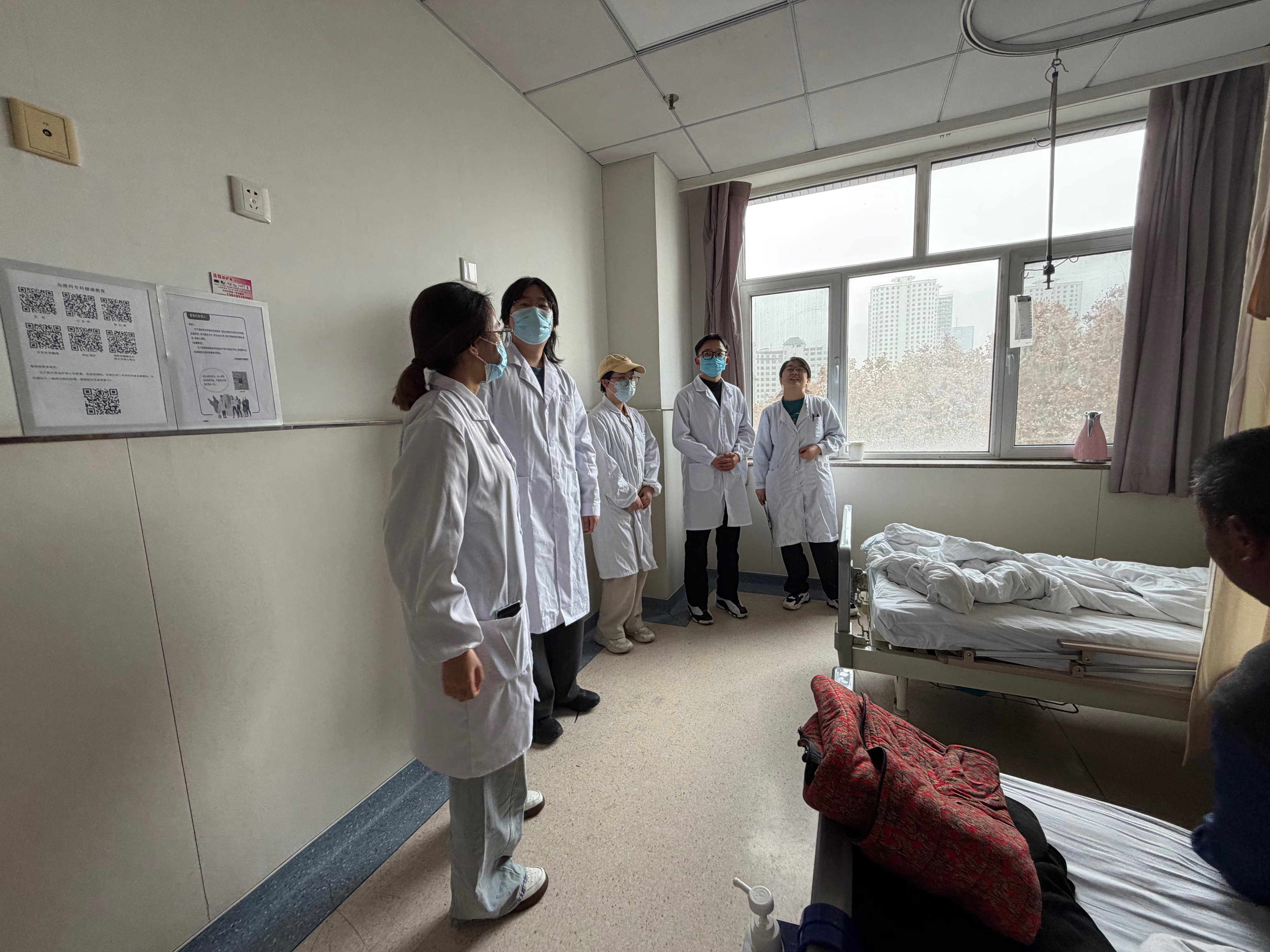
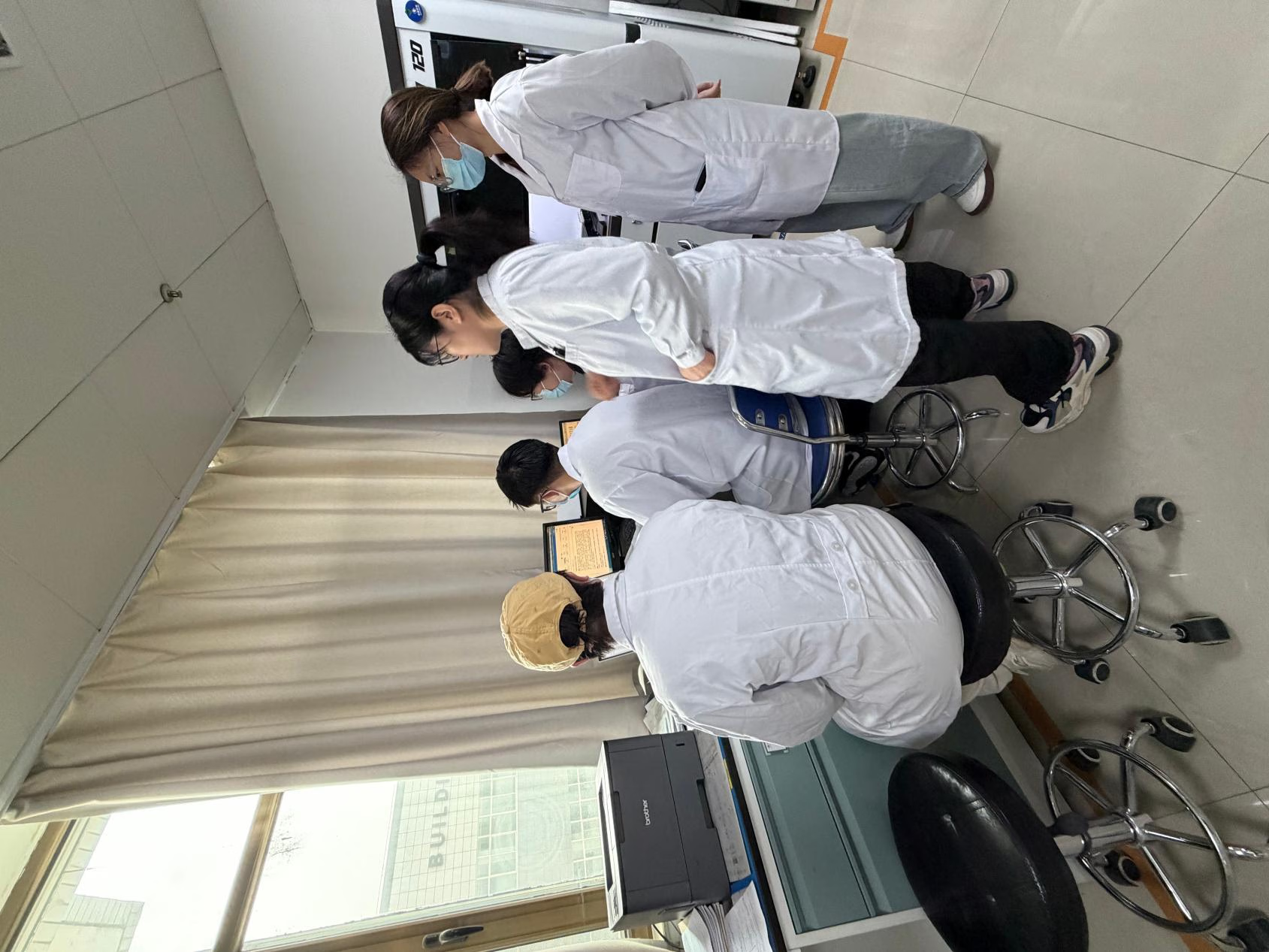
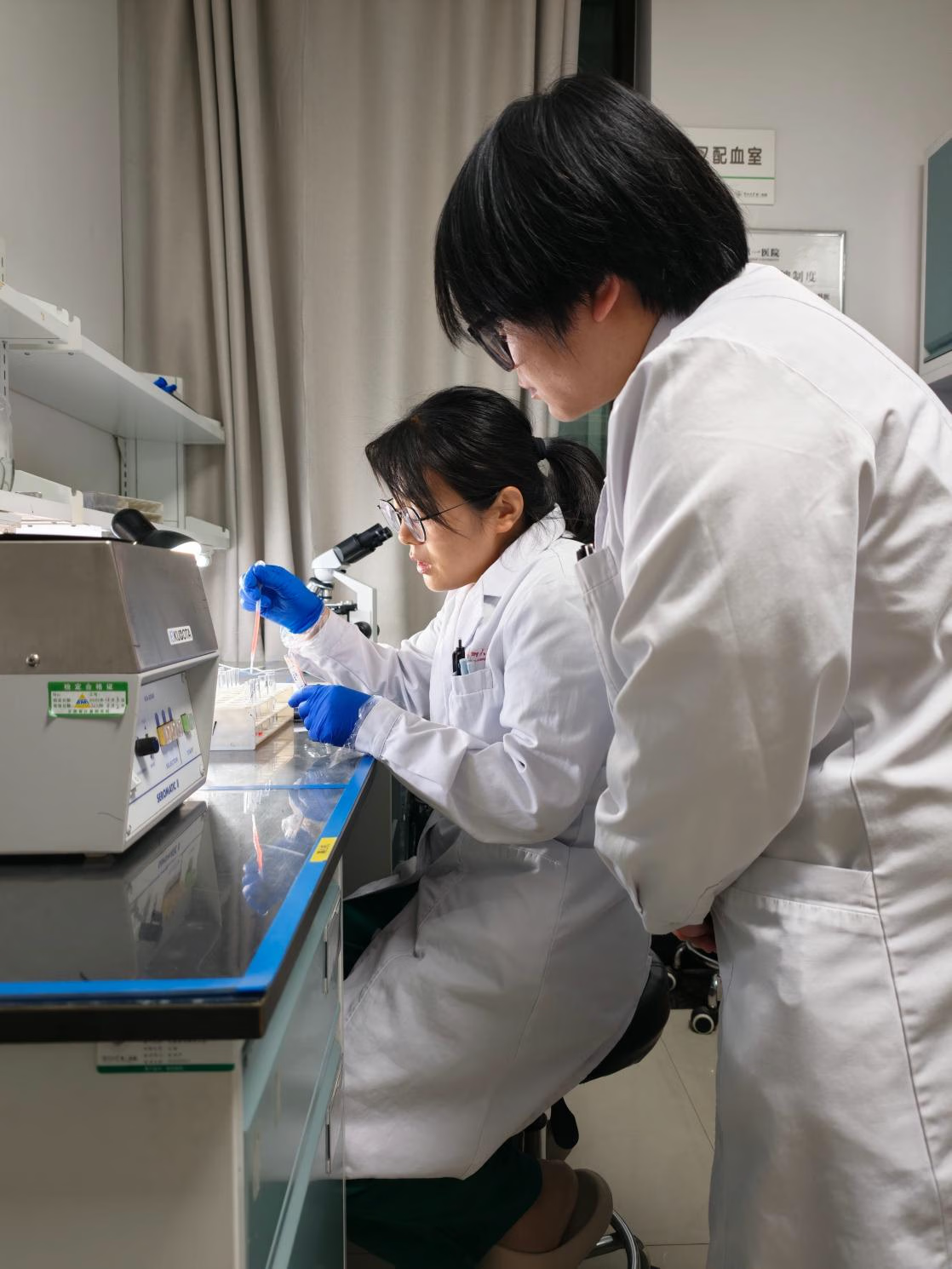
Our team members conducted surveys in The First Hospital of Lanzhou University
2.2 SDG 4: Quality Education (Target 4.4 — Relevant Skills for Employment)
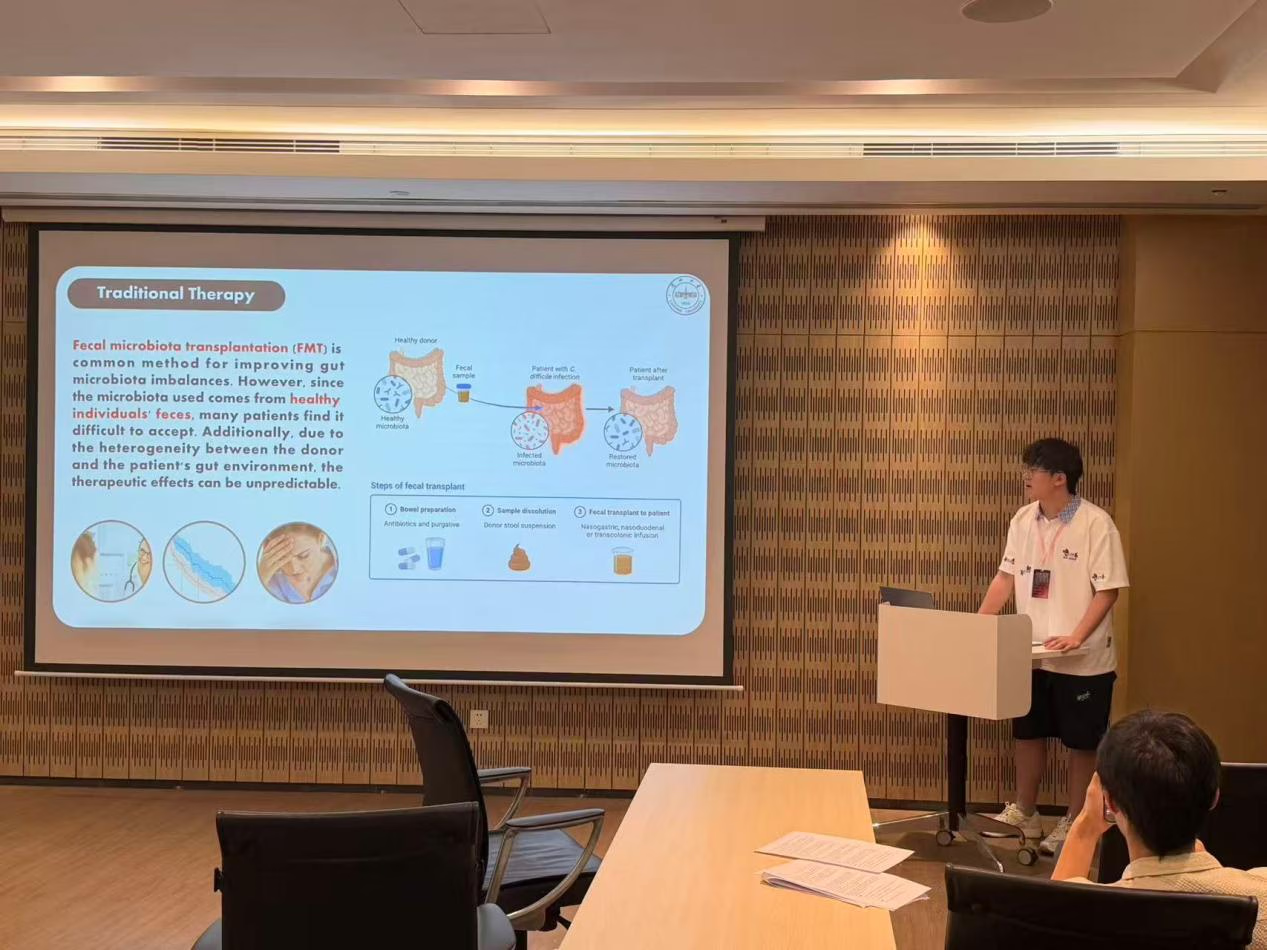
Our team conducted outreach activities on synthetic biology and the intestinal microbiome across multiple sites, including interactive lectures and simplified lab demonstrations for secondary school students. These activities align with SDG 4.4 by broadening exposure to life sciences among students who lack access to university-level research resources, cultivating scientific thinking and technical awareness relevant to future STEM engagement.
Cross-reference: Education materials and activity records are documented in our Education sub-section; collaboration with the University and Gansu Red Cross Society extended our reach to grassroots community audiences.
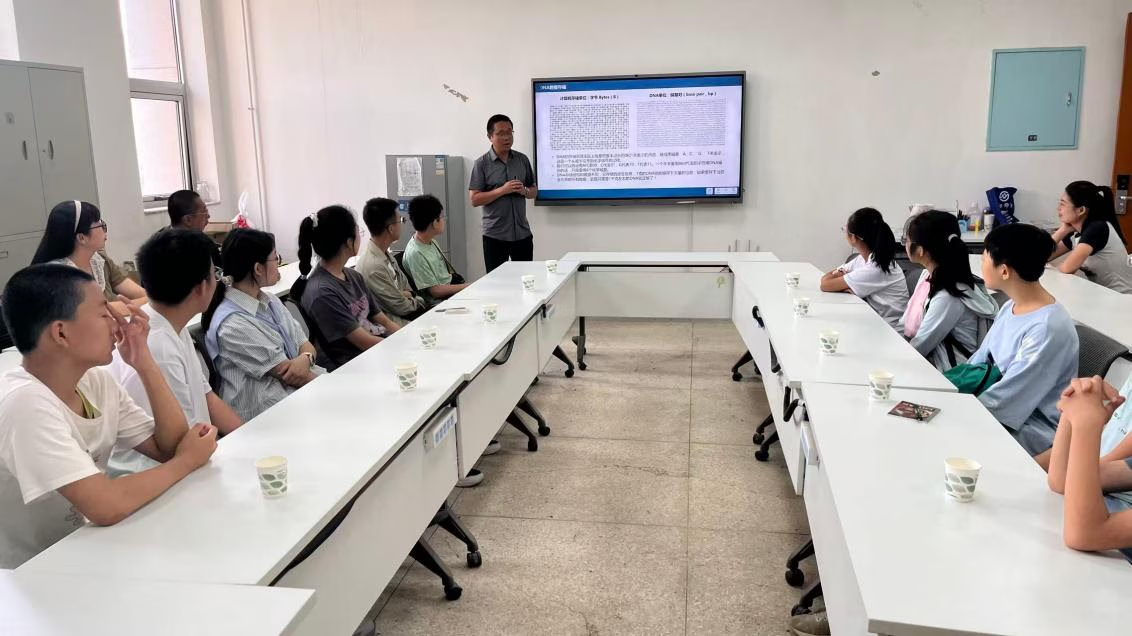
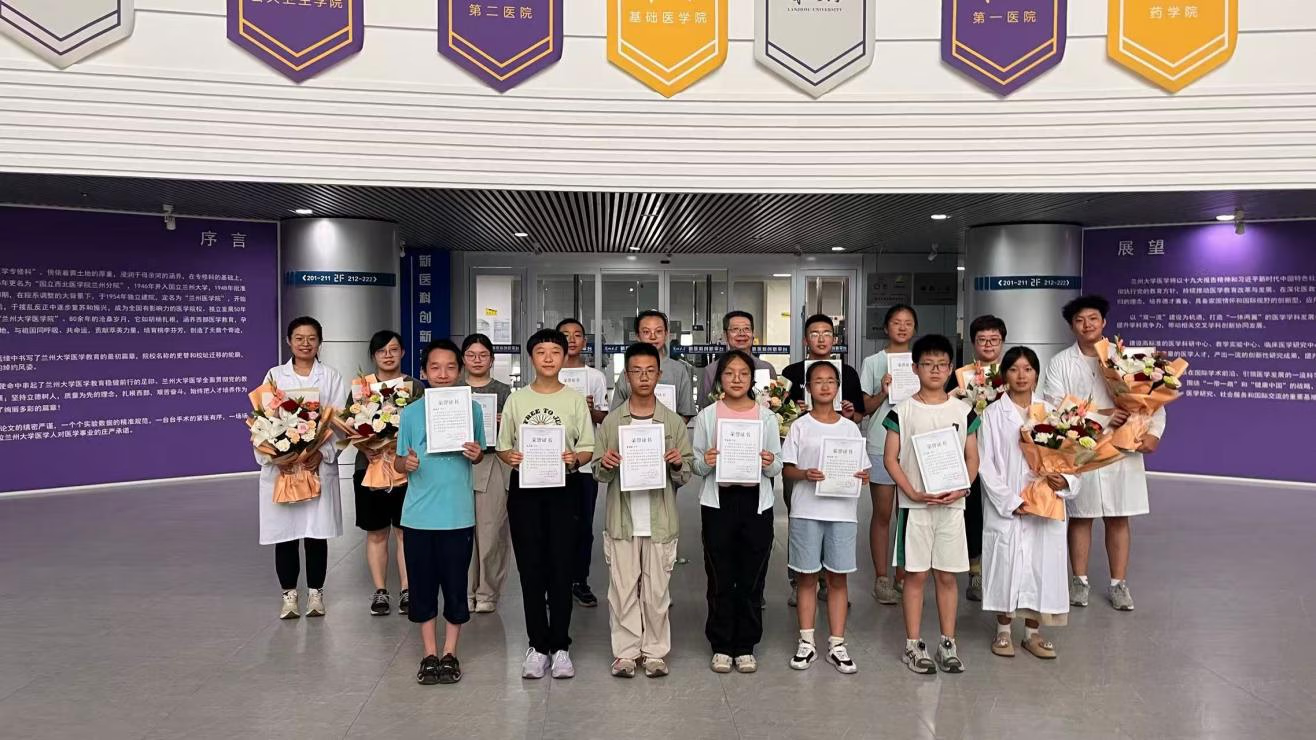
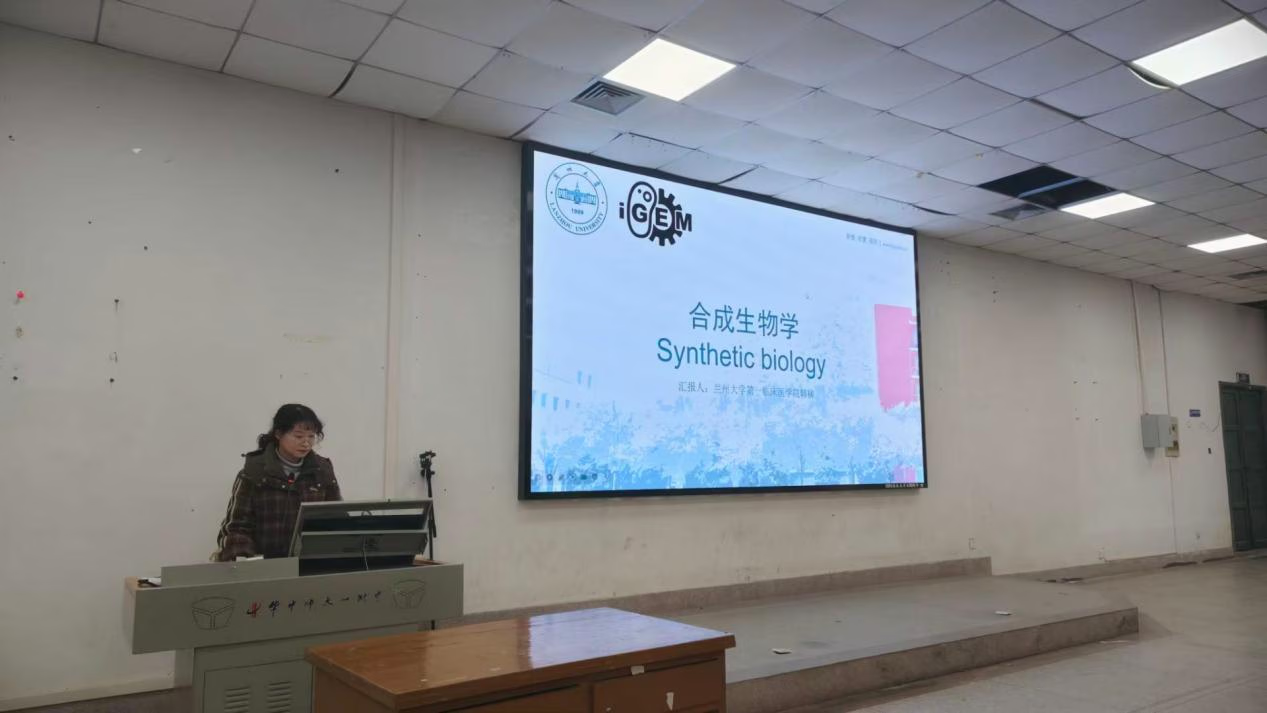
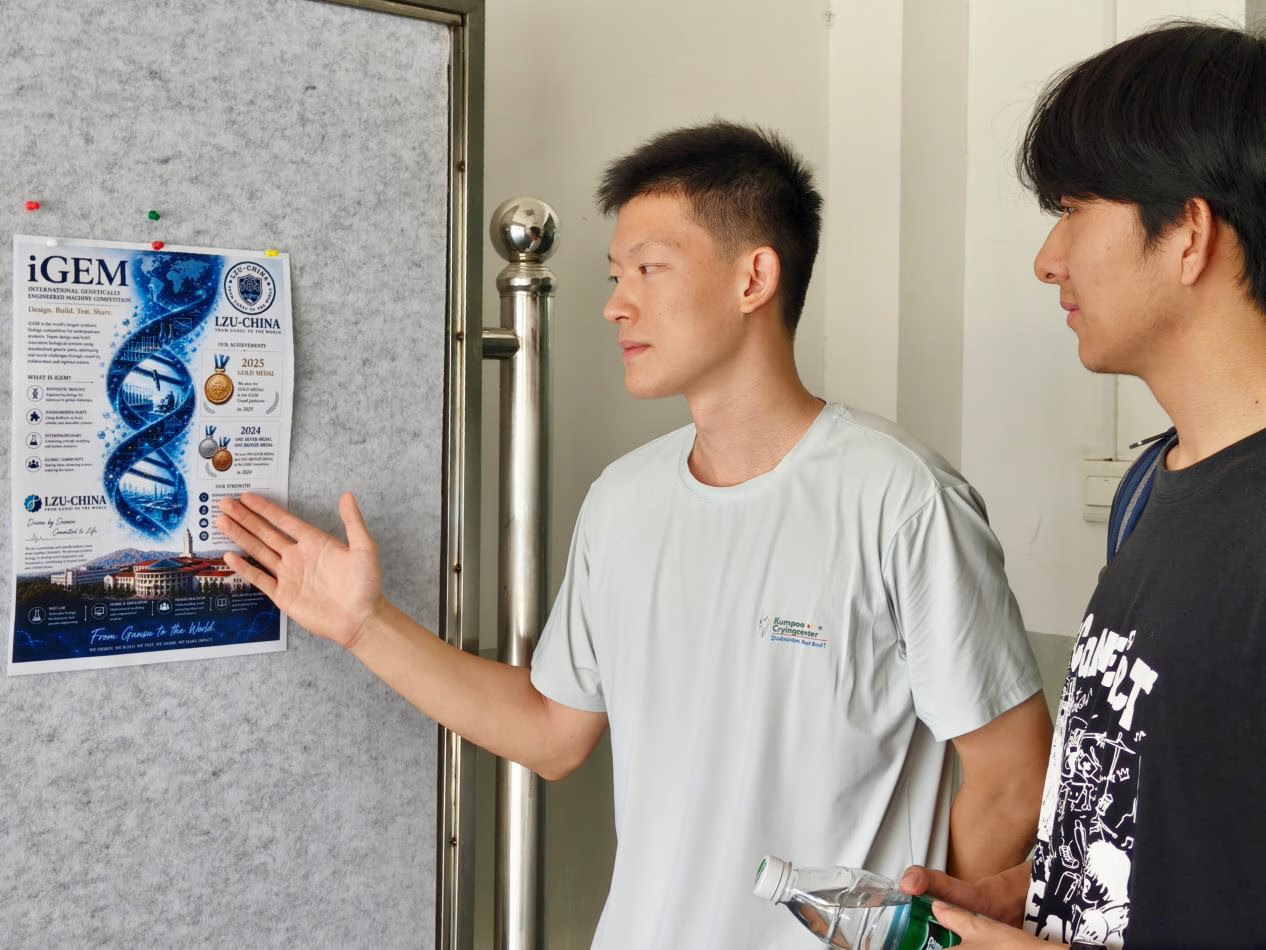
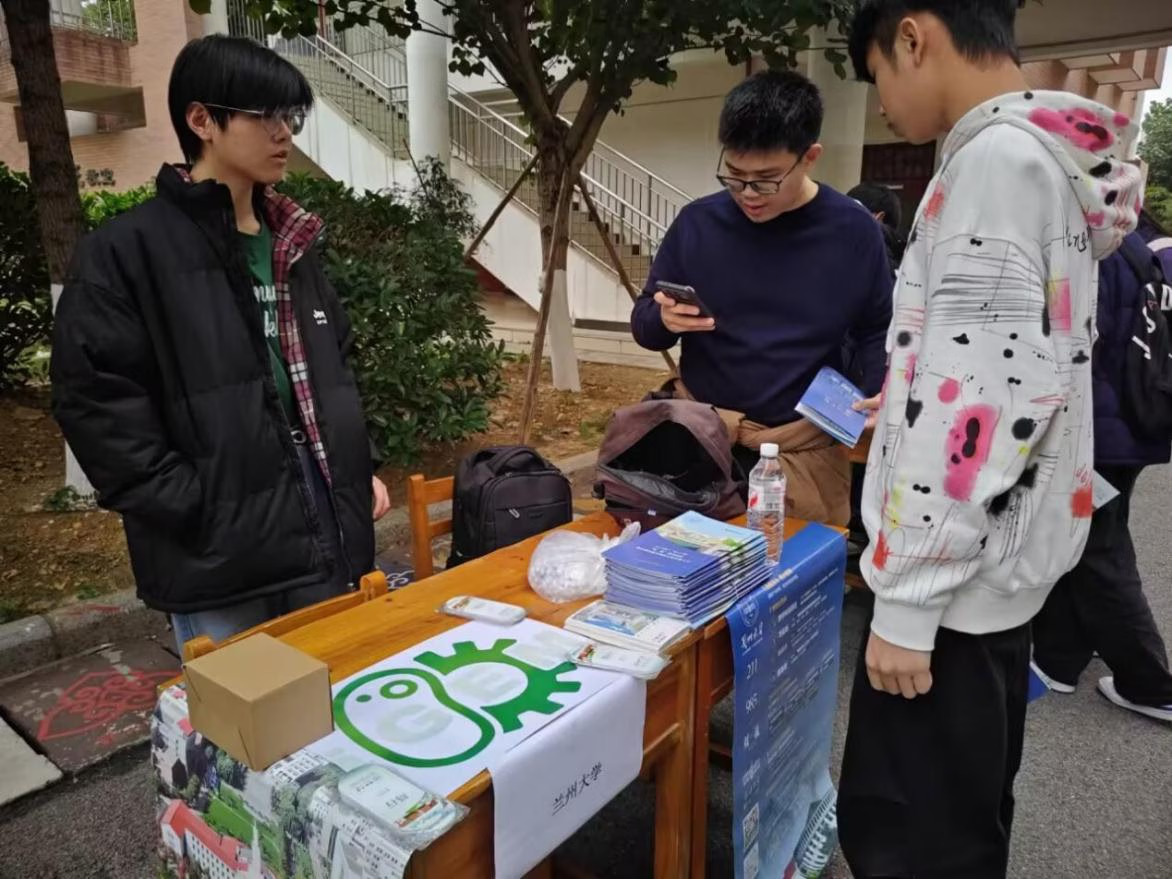
Team members leading education activities.
2.3 SDG 10: Reduced Inequalities (Target 10.2 — Social Inclusion)
Conventional intestinal pathogen detection relies on culture-based methods or microscopy, which require laboratory infrastructure and trained personnel — barriers for primary-care settings in remote areas [4]. Our colorimetric output (LacZ) is designed to be read without specialized equipment, lowering the technical threshold for point-of-care application. While we have not yet validated this in field conditions, the goal of producing affordable lyophilized engineered probiotics and the simplicity of a color-change readout suggest potential for grassroots deployment.
Our outreach in Gansu also addresses access to science education. School visits and shared materials offer opportunities to audiences with fewer local resources. These activities support the intent of SDG 10, although their reach alone does not demonstrate a reduction in educational inequality.
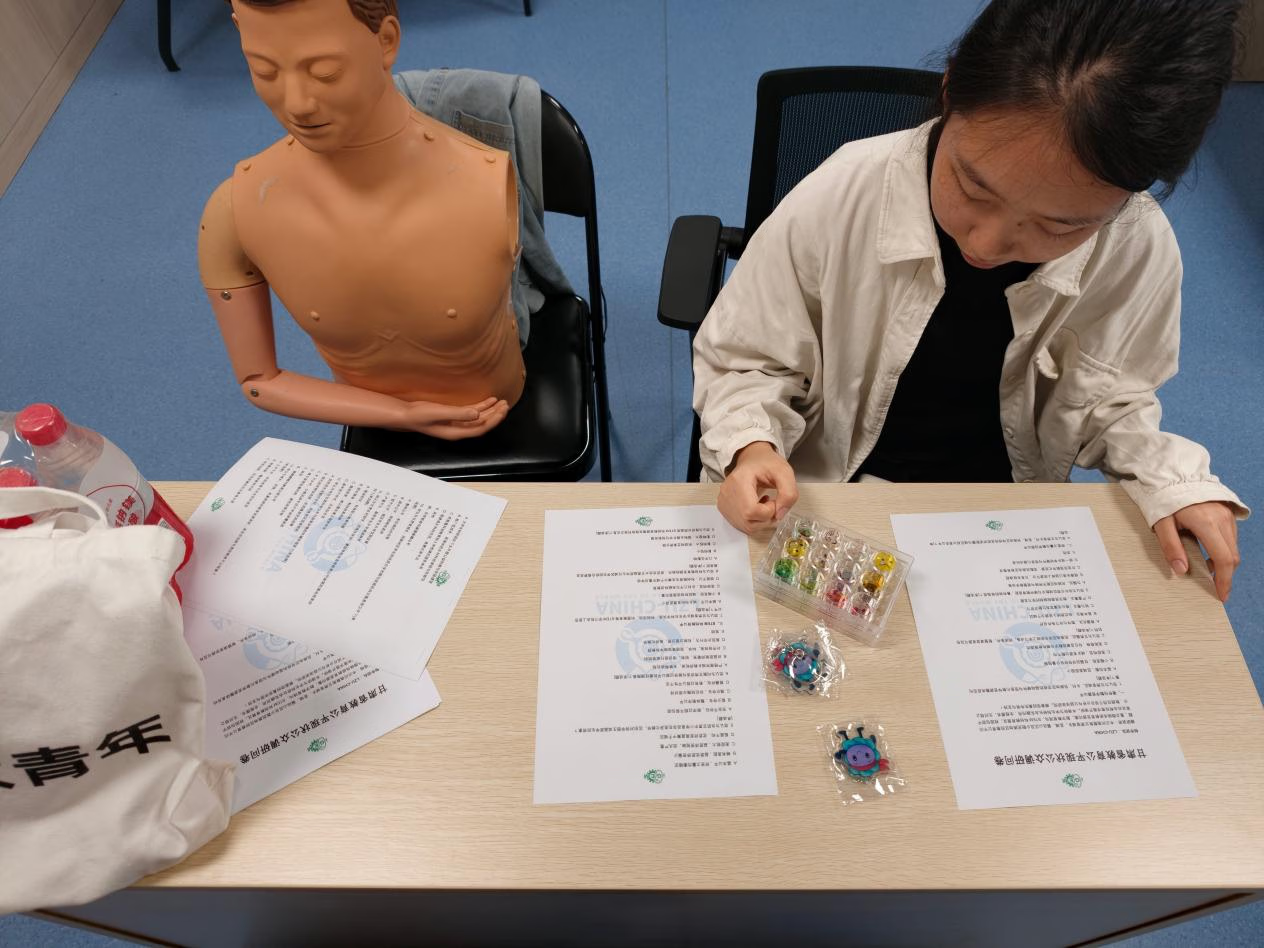
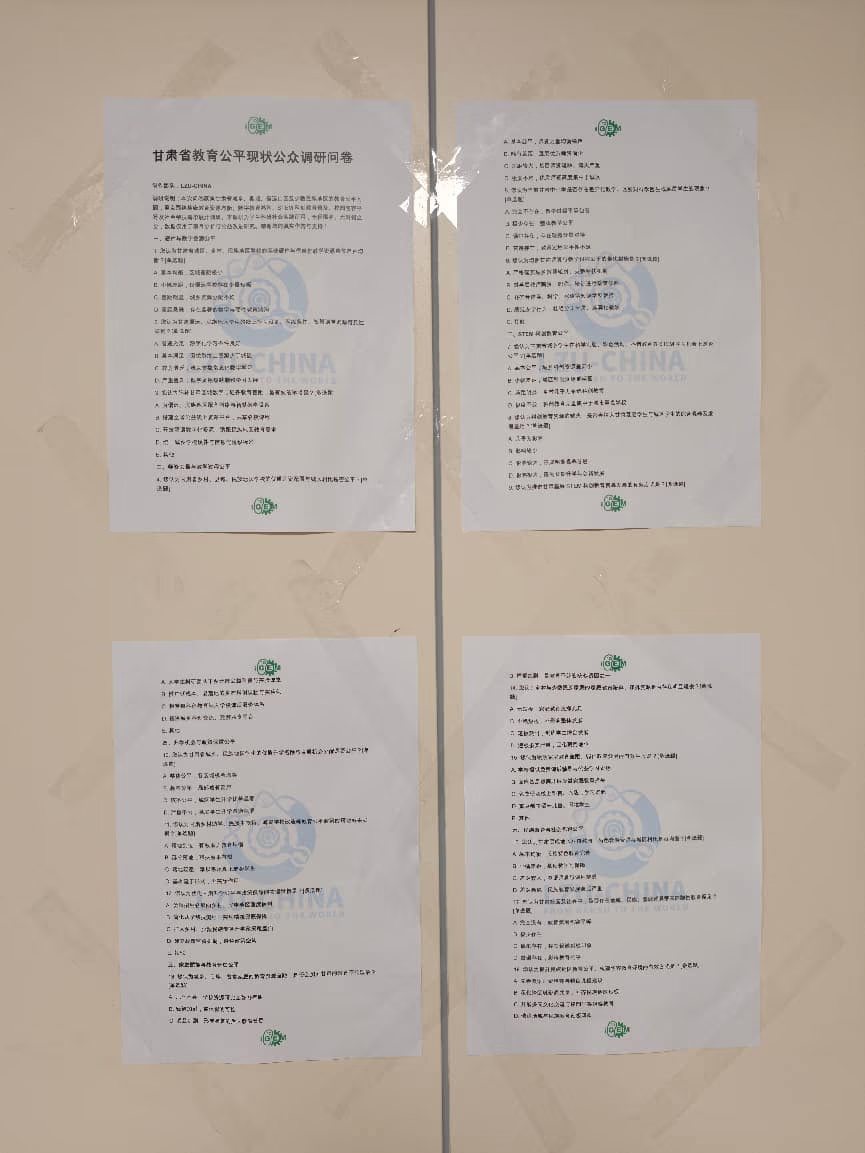
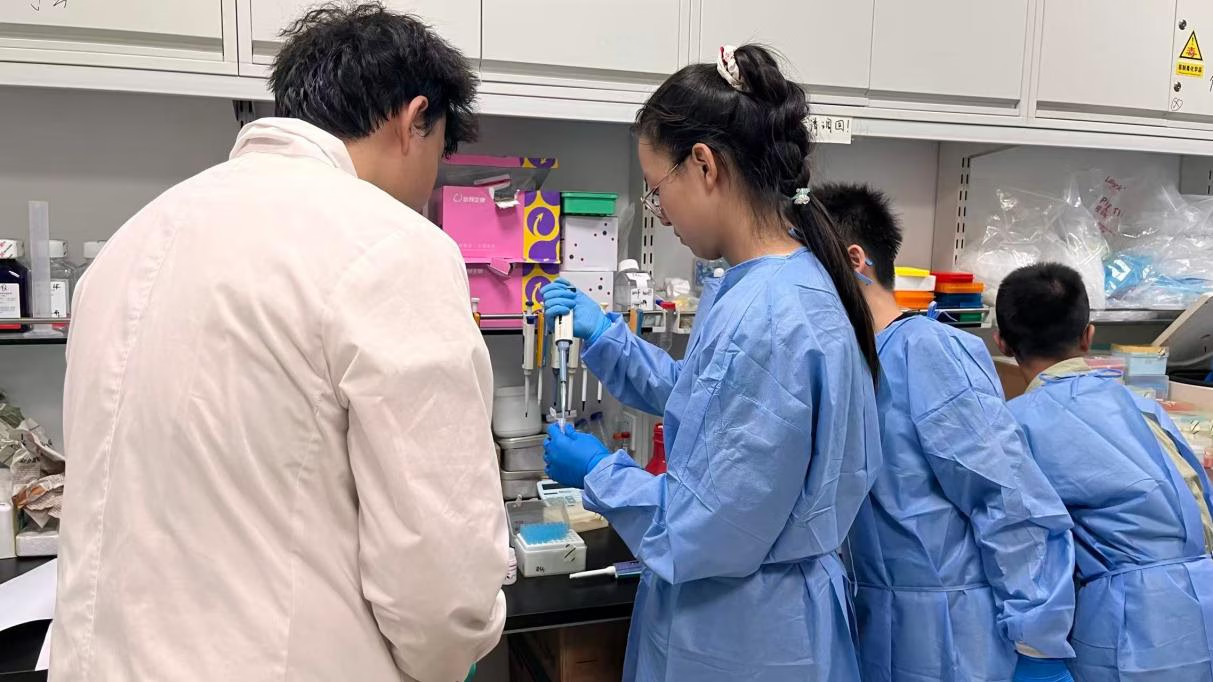
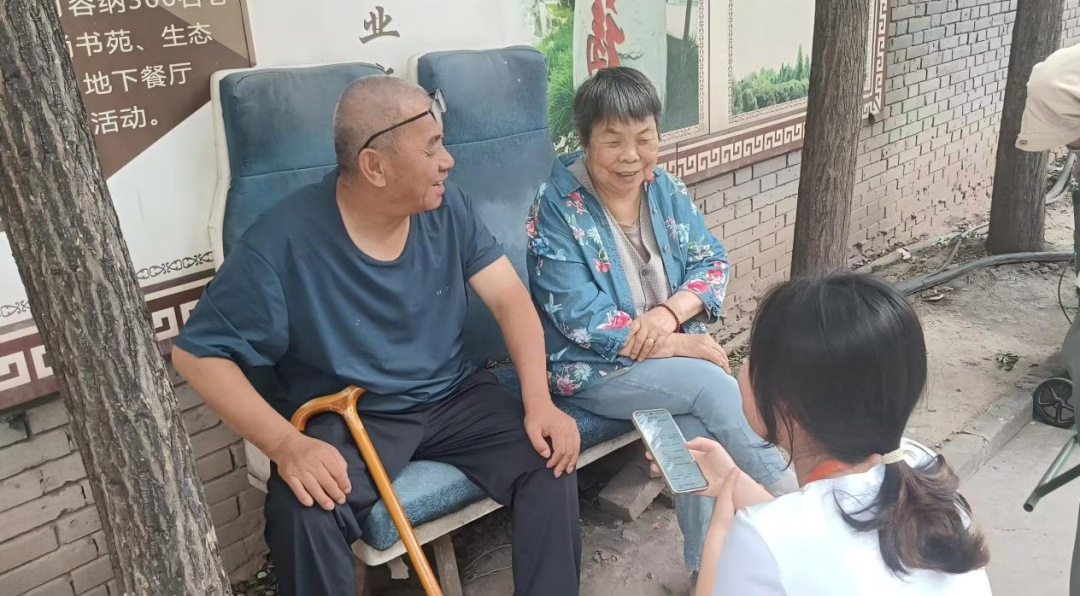
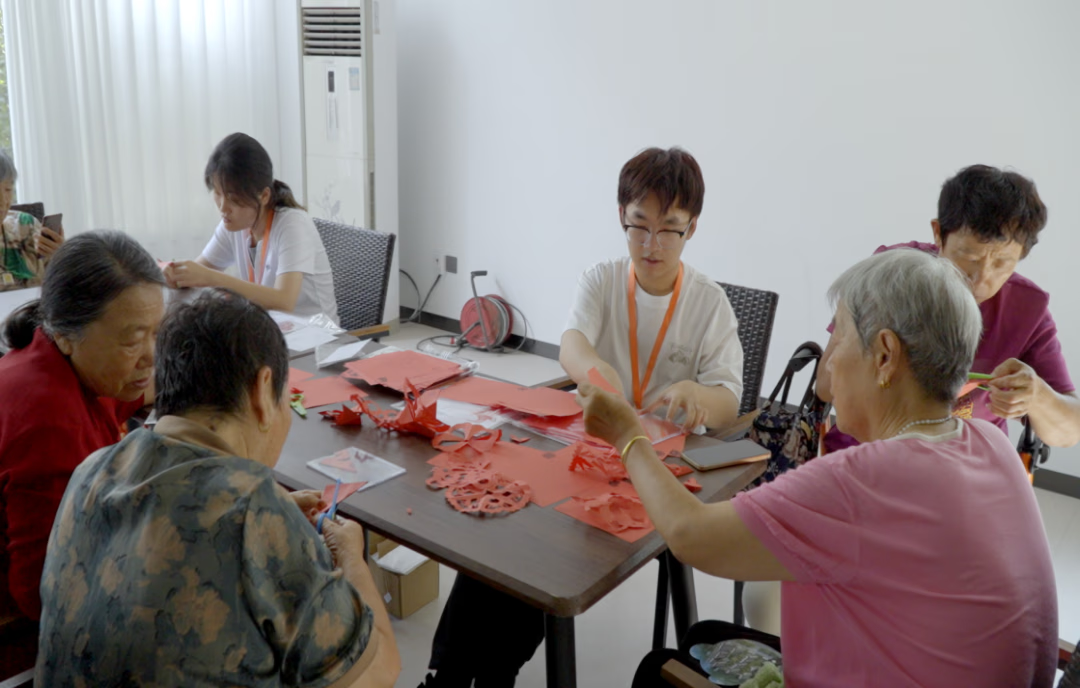
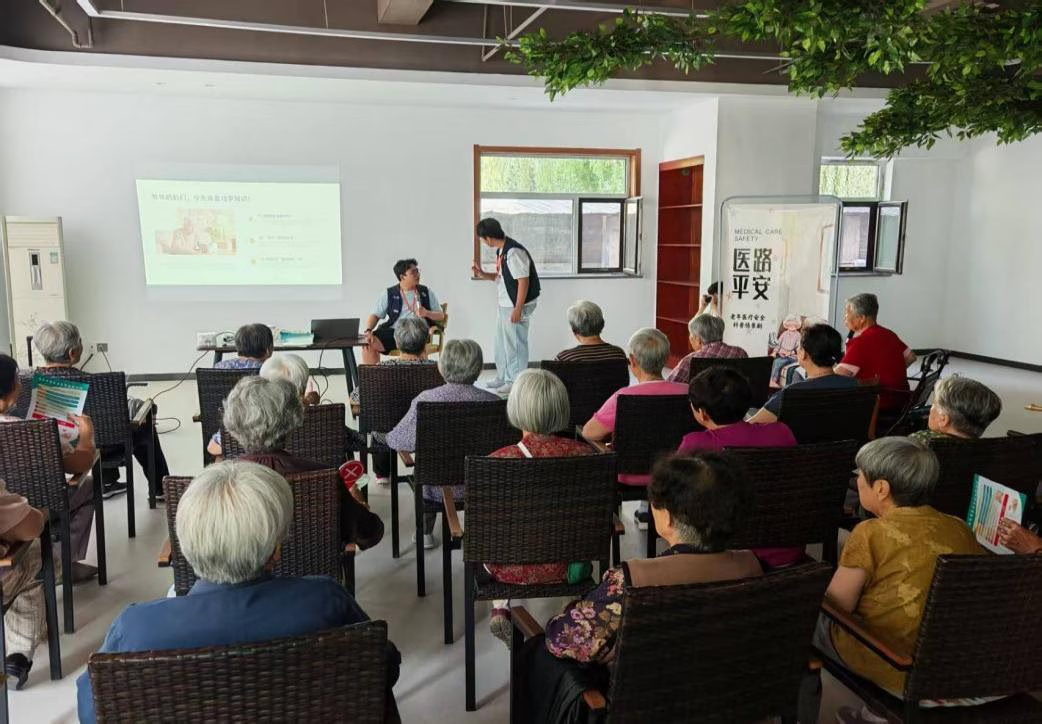
Team members supporting access to science education.
2.4 SDG 12: Responsible Consumption and Production (Target 12.4 — Chemical Management)
Diagnostic workflows use reagents, culture media and disposable materials [4]. Our proposed biological approach raises questions about whether some of these inputs could be reduced. Its Hok/Sok containment concept still requires validation, and we have not demonstrated reduced waste or an absence of persistent residues.
The fermentation-based production process uses renewable carbon sources (e.g., glucose) rather than petrochemical feedstocks, aligning with green biomanufacturing principles. We recognize that the environmental benefit is conditional on successful containment and degradation validation, which remains a future task.
2.5 SDG 17: Partnerships for the Goals (Target 17.6 — Knowledge Sharing)
Our project involved multi-level partnerships across academia, industry, and civil society:
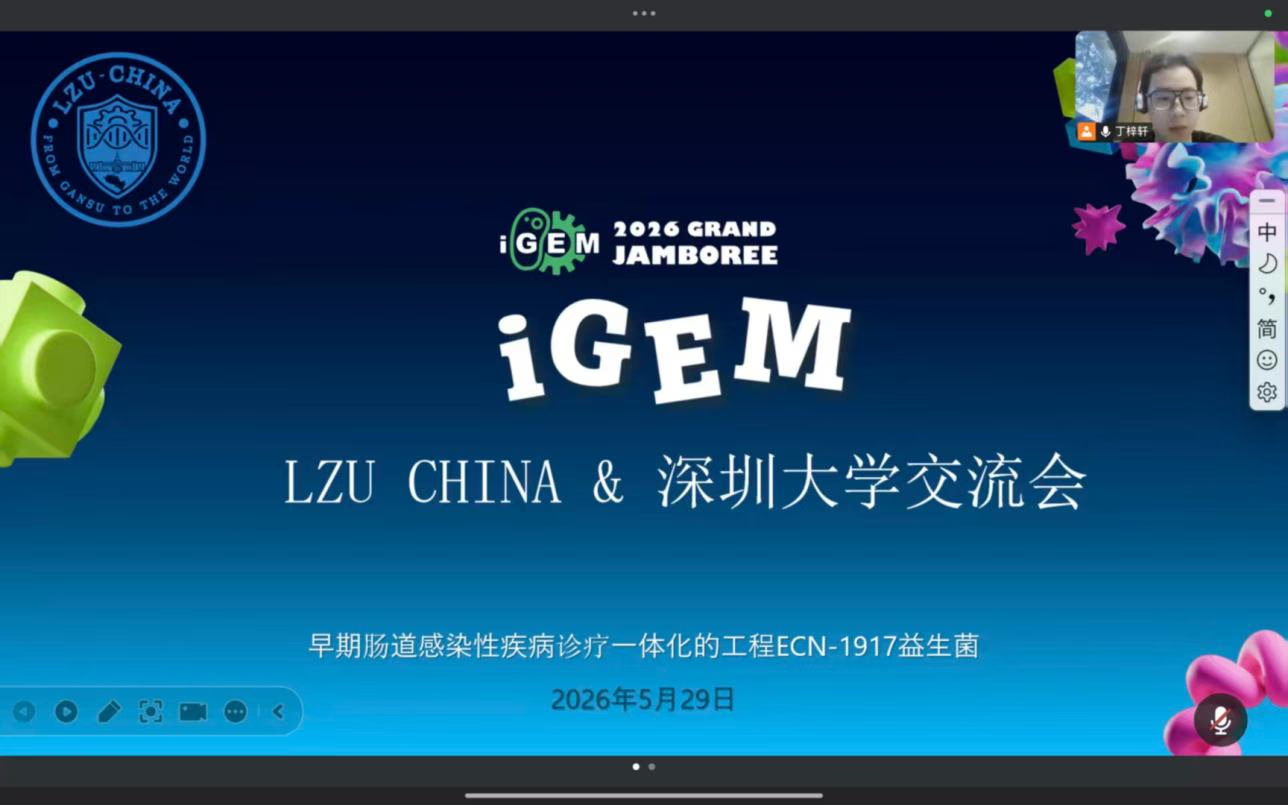
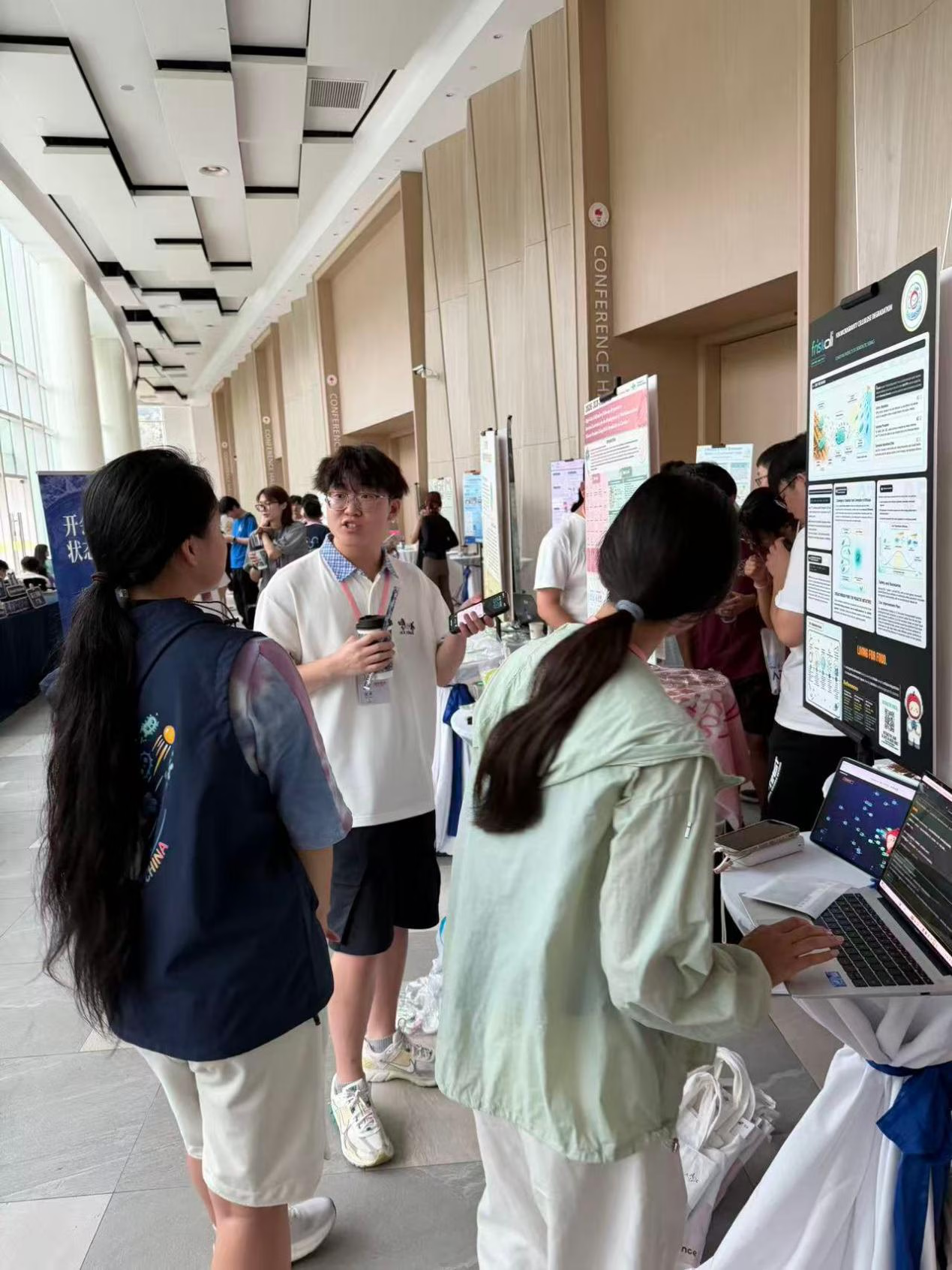
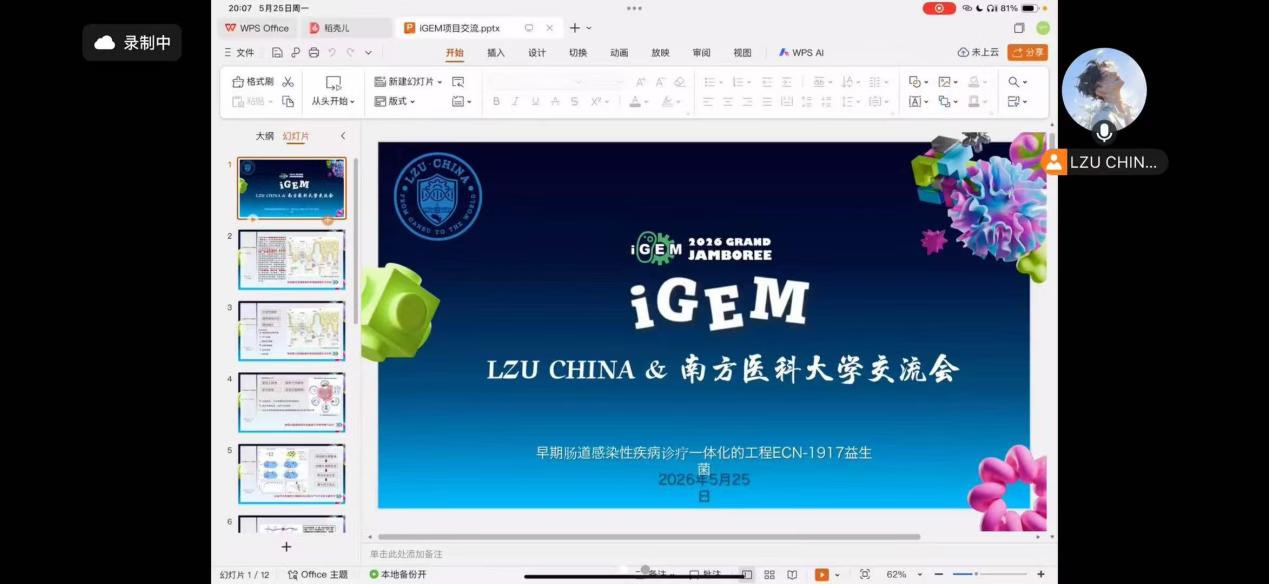
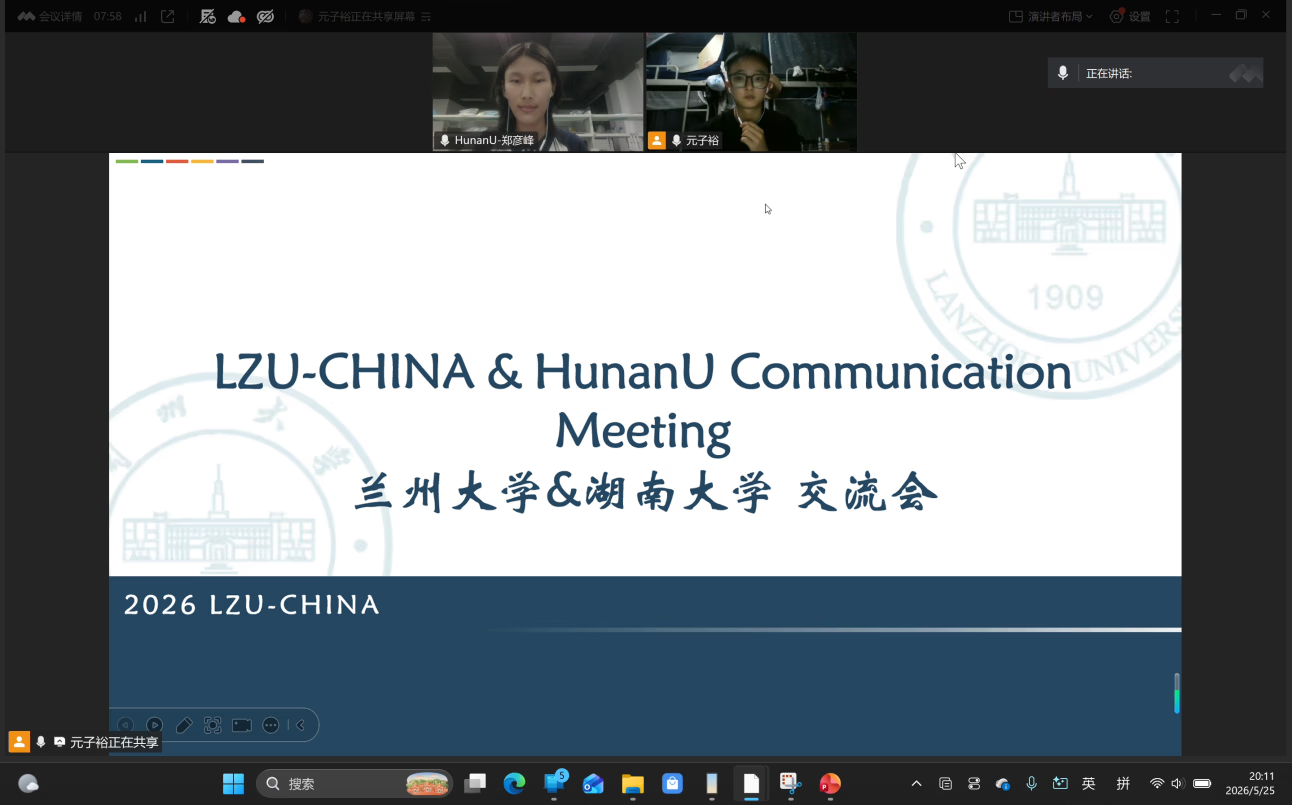
Technical exchange with research teams from six universities (see Collaboration), including cross-review of genetic circuit design and community engagement strategy;
Industry engagement with Jinghong Health Products Ltd. and other healthcare companies (see Entrepreneurship), informing our business planning;
Public welfare collaboration with the Gansu Red Cross Society (see Education and Collaboration), a government-affiliated humanitarian mass organization, for community health outreach;
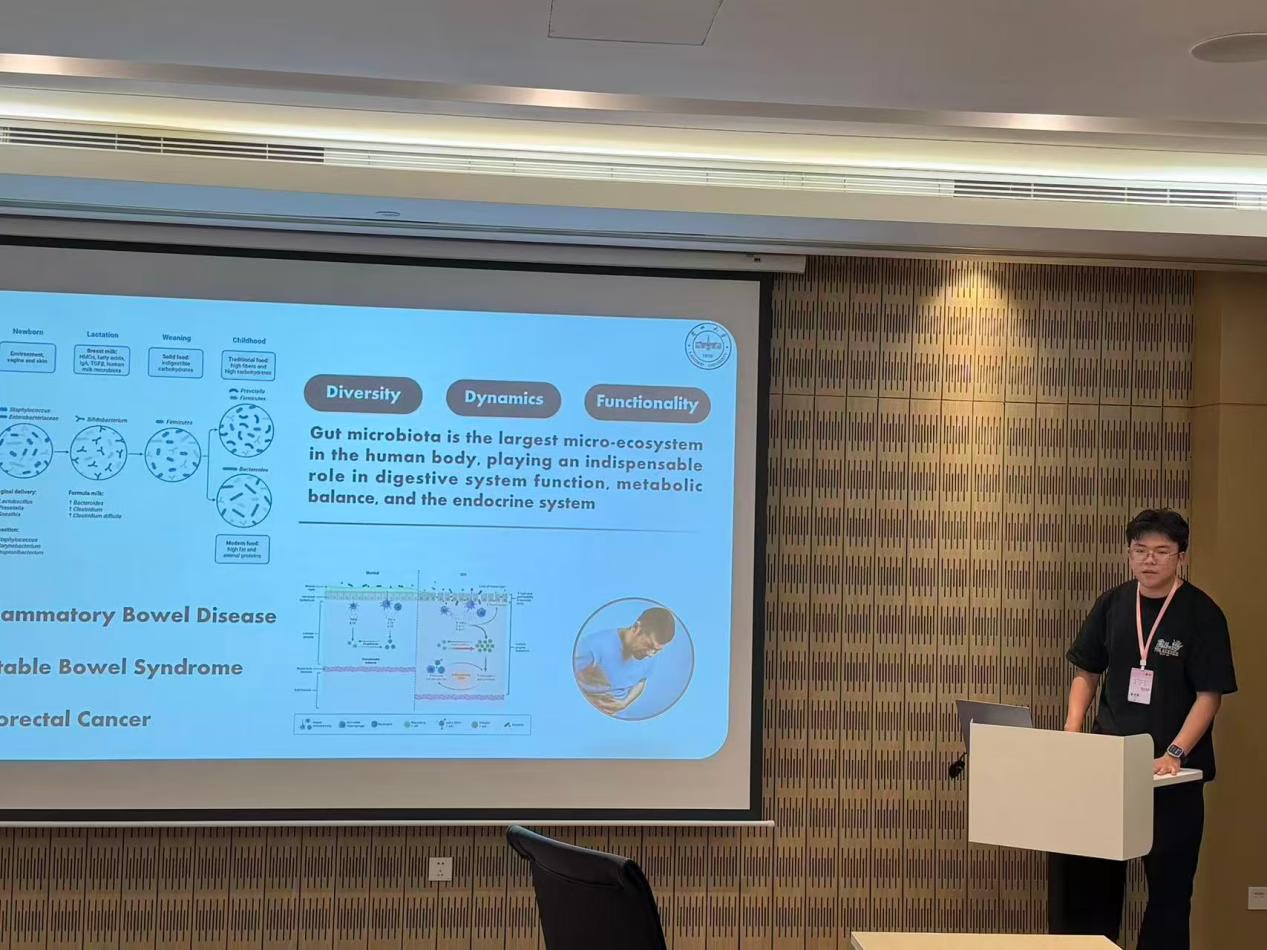
Conference participation at the 1st APIC Conference on Synthetic Biology Innovation and Application (see Collaboration), where our poster and oral presentation generated expert feedback that directly informed project revision.
These partnerships embody SDG 17.6 by facilitating cross-sector knowledge exchange among youth innovators, industry, and public service organizations.

3. Indirect Contributions
Beyond the five directly addressed goals, our project has secondary relevance to two additional SDGs:
SDG 8 (Decent Work and Economic Growth, Target 8.2): The engineered probiotic approach, if industrially translated, could contribute to a biomedical value chain spanning strain design, fermentation, formulation, and clinical application. We note this potential without overstating it: technology transfer from student biotechnology projects to industry is rare, and any economic impact would require years of development beyond the competition cycle.
SDG 2 (Zero Hunger, Target 2.2): By restoring gut microbial balance after postoperative infection [5], our system may indirectly support nutrient absorption. However, this link is speculative and secondary to our primary health focus.
We do not claim contributions to SDGs 1, 5, 6, 7, 9, 11, 13, 14, 15, or 16. As a Therapeutics project, the logical distance between our current project scope and these goals is too great to assert meaningfully at the proof-of-concept stage.
4. Conclusions
SDGs 3, 4, 10, 12, and 17 provide a useful framework for examining our design goals and community activities. Education and partnership activities have taken place; health and environmental benefits remain possibilities to assess. Connections to SDG 8 and SDG 2 are more tentative and depend on development beyond the current project.
References
[1] UNITED NATIONS. Transforming our world: the 2030 Agenda for Sustainable Development [A]. UN General Assembly Resolution A/RES/70/1 [R]. New York: United Nations, 2015.
[2] Shamim M. Meta-analysis of efficacy of probiotics in reducing postoperative infections and improving outcomes in gastrointestinal surgery [J]. Front Surg. 2026;13:1746191. doi:10.3389/fsurg.2026.1746191.
[3] Riglar DT, Giessen TW, Baym M, et al. Engineered bacteria can function in the mammalian gut long term as live diagnostics of inflammation [J]. Science. 2017;356(6341):970-975.
[4] McHardy IH, Wu M, Shimizu-Cohen R, Couturier MR, Humphries RM. Detection of Intestinal Protozoa in the Clinical Laboratory [J]. J Clin Microbiol. 2014;52(3):712-720. doi:10.1128/jcm.02877-13.
[5] Ma JY, Piao XS, Mahfuz S, et al. The interaction among gut microbes, the intestinal barrier and short chain fatty acids [J]. Anim Nutr. 2022;9:169-178. doi:10.1016/j.aninu.2021.09.012.