Collaboration: the complete exchange record
University teams, clinicians, public-health workers and local communities helped us ask better questions about communication, practical needs and responsible development. This chapter preserves the exchanges and photographs behind that process.
1. Overview
We worked with university research teams, student organisations, medical institutions and local communities. Each brought a different perspective: peers questioned our scientific assumptions, healthcare staff discussed practical needs, and community audiences asked us to explain the project clearly. These exchanges helped us refine our questions and priorities.
Our collaborations linked support within Lanzhou University with exchanges between universities and engagement beyond campus. They brought together clinical medicine, basic medicine, life sciences and synthetic biology around our proposed EcN-1917 system for gastrointestinal infection detection and intervention.
With Jiayuguan Road, Donggang West Road and Baiyin Road Subdistricts and other community partners, we organised science outreach and laboratory open days. School students and residents explored synthetic biology through accessible explanations and practical demonstrations. Their questions about safety and disease detection helped us see which parts of our project needed clearer explanation.
We brought these questions back to team discussions, using them to reconsider the intended application and the assumptions behind our design. The exchanges below describe what we discussed and what we learned.
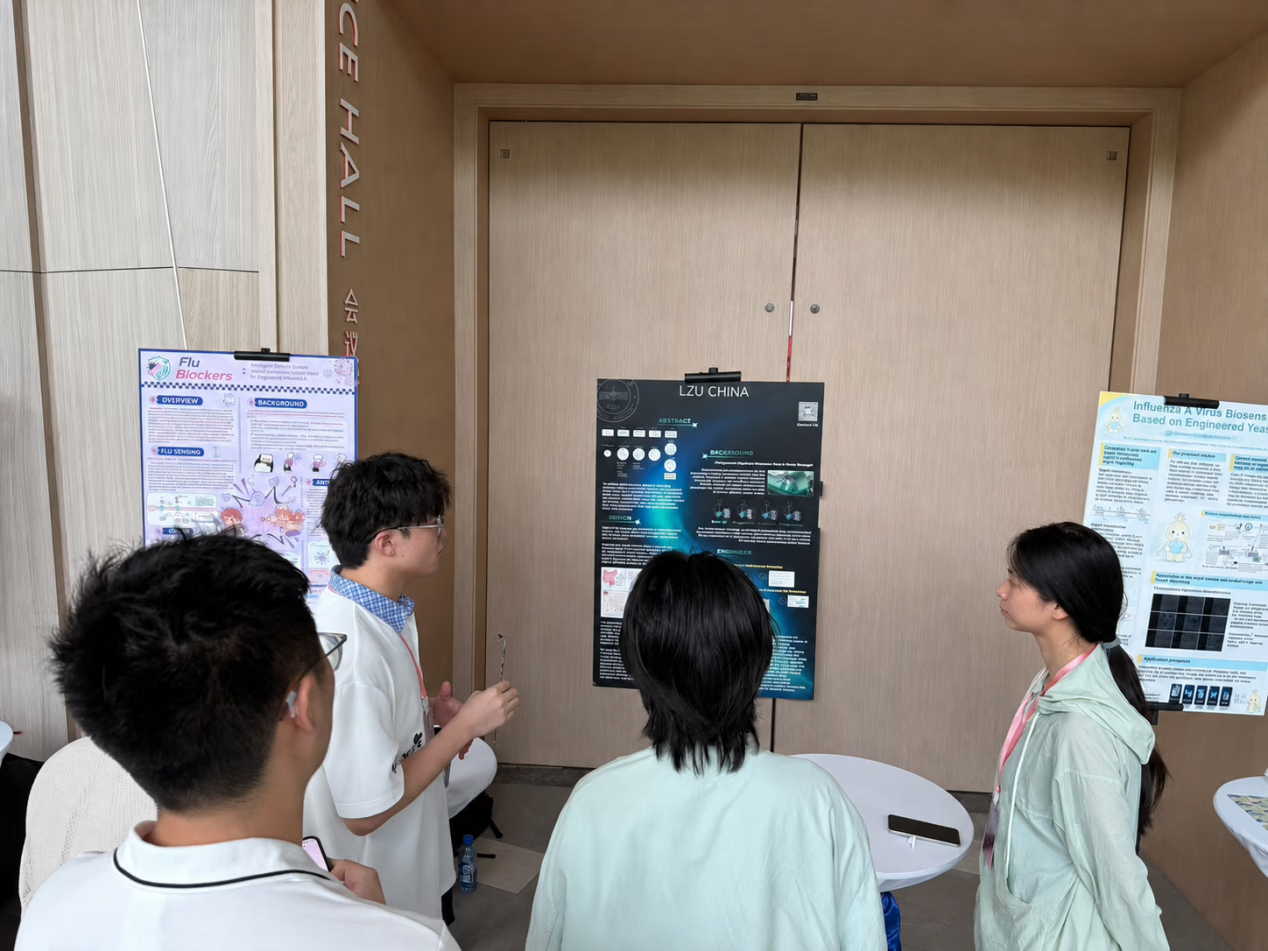
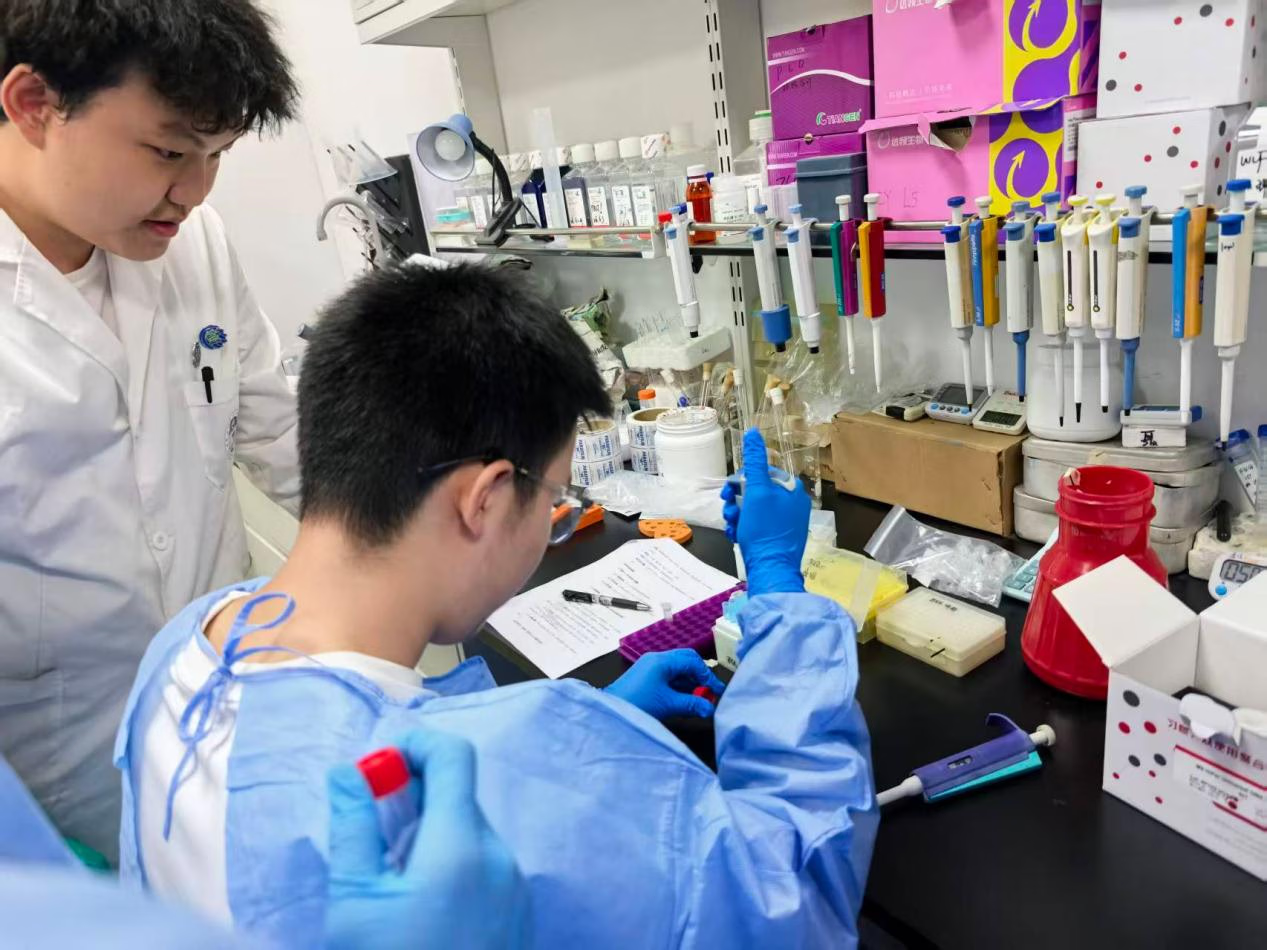
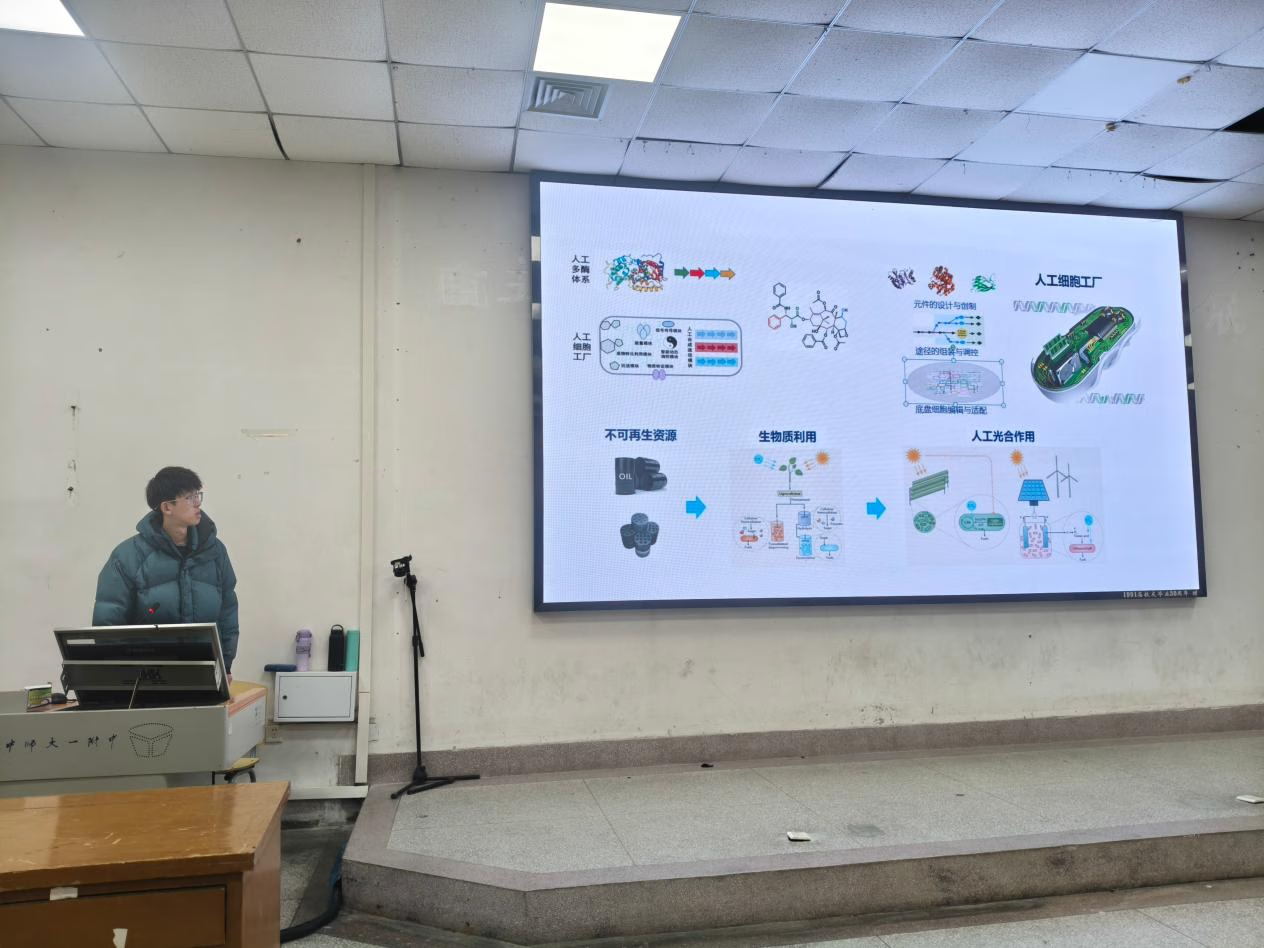
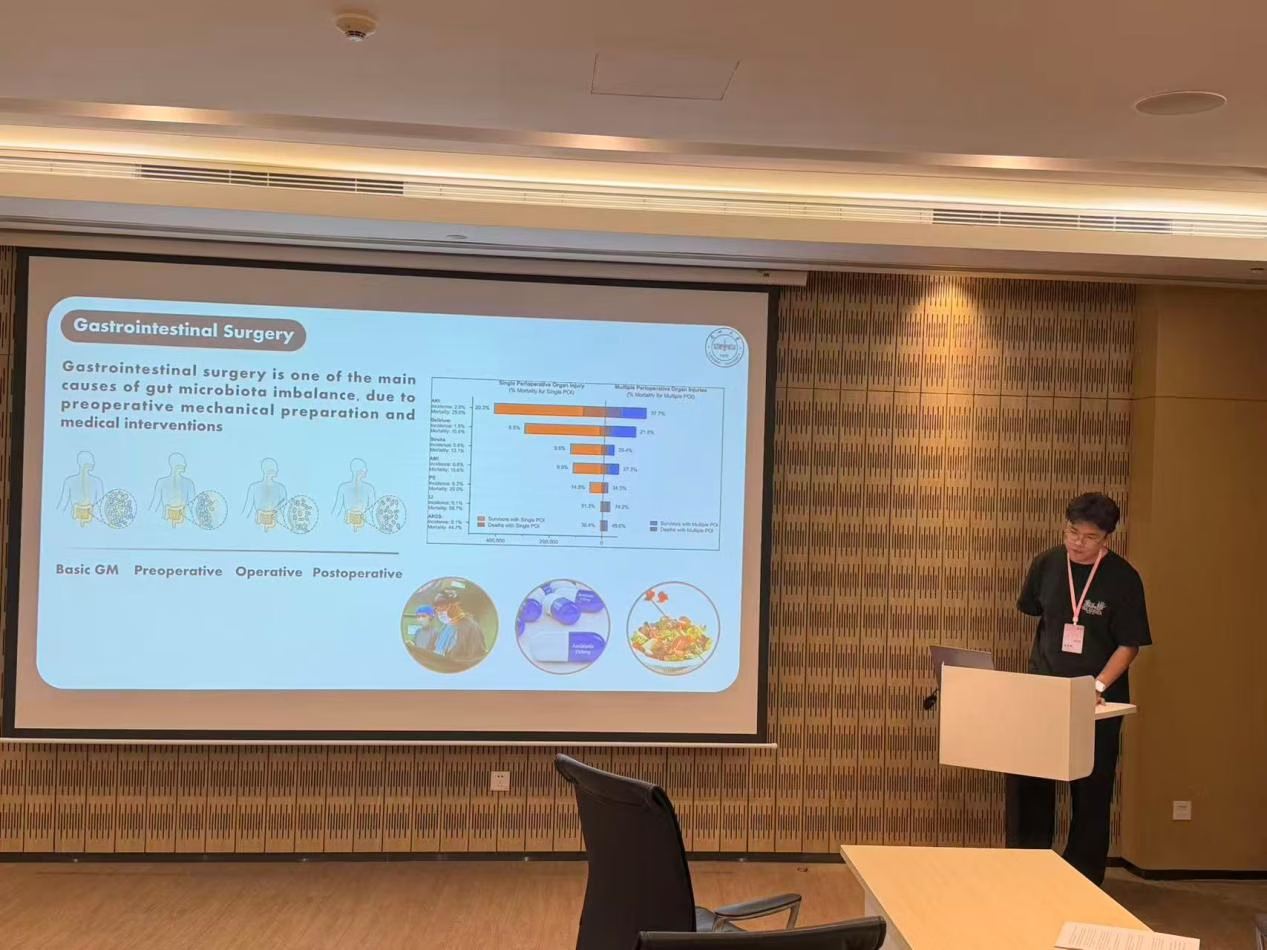
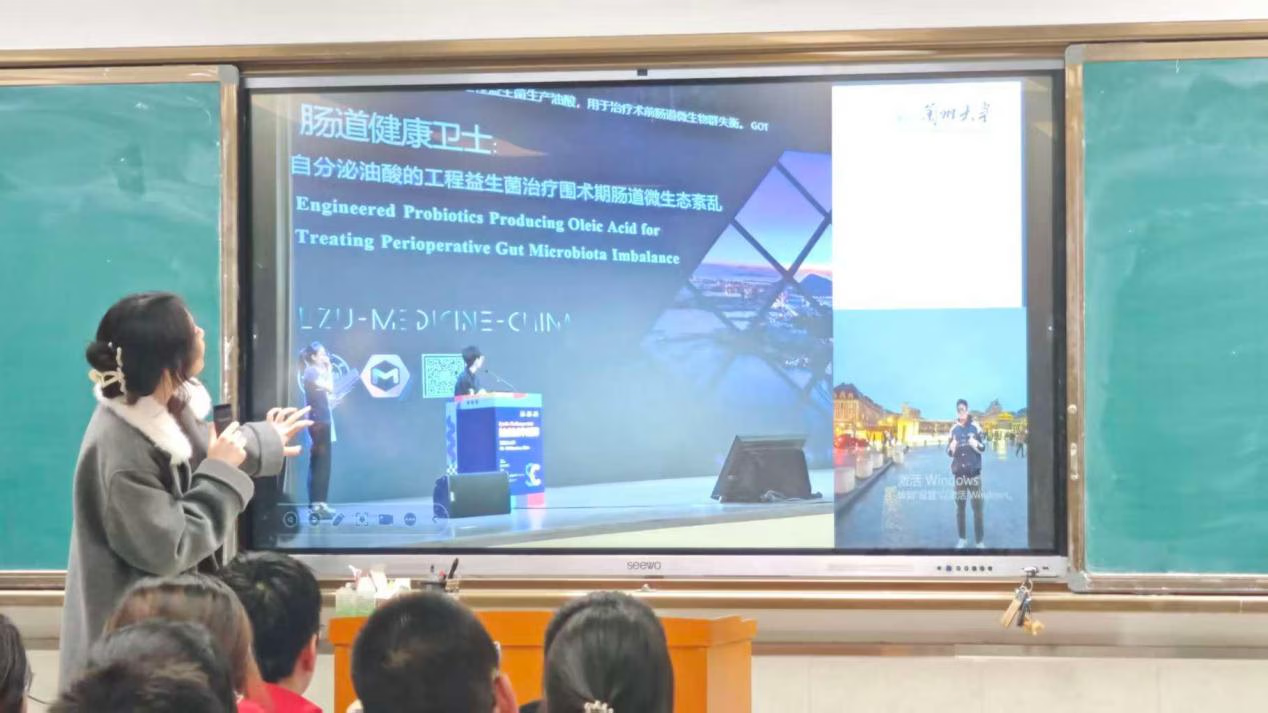
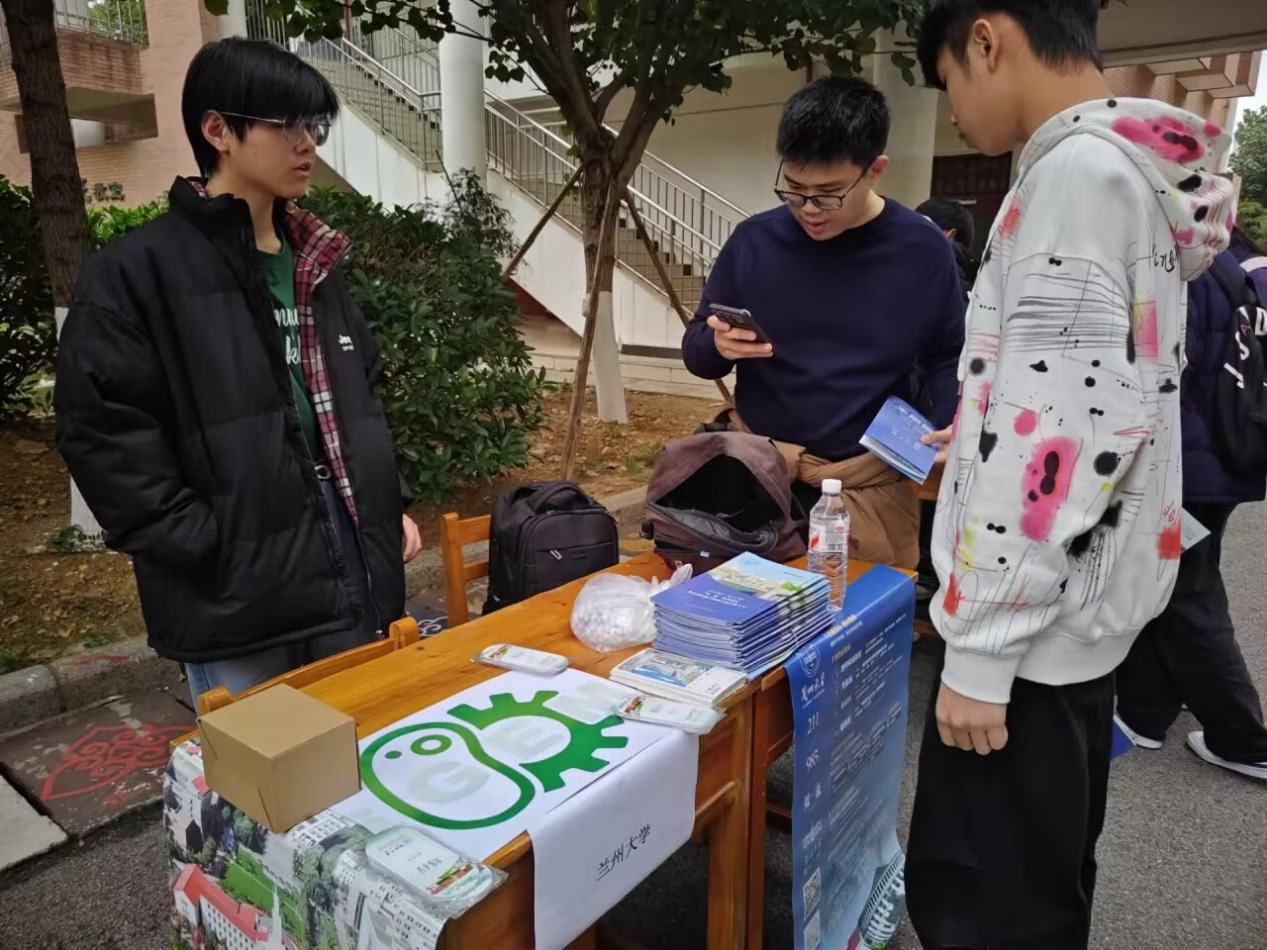
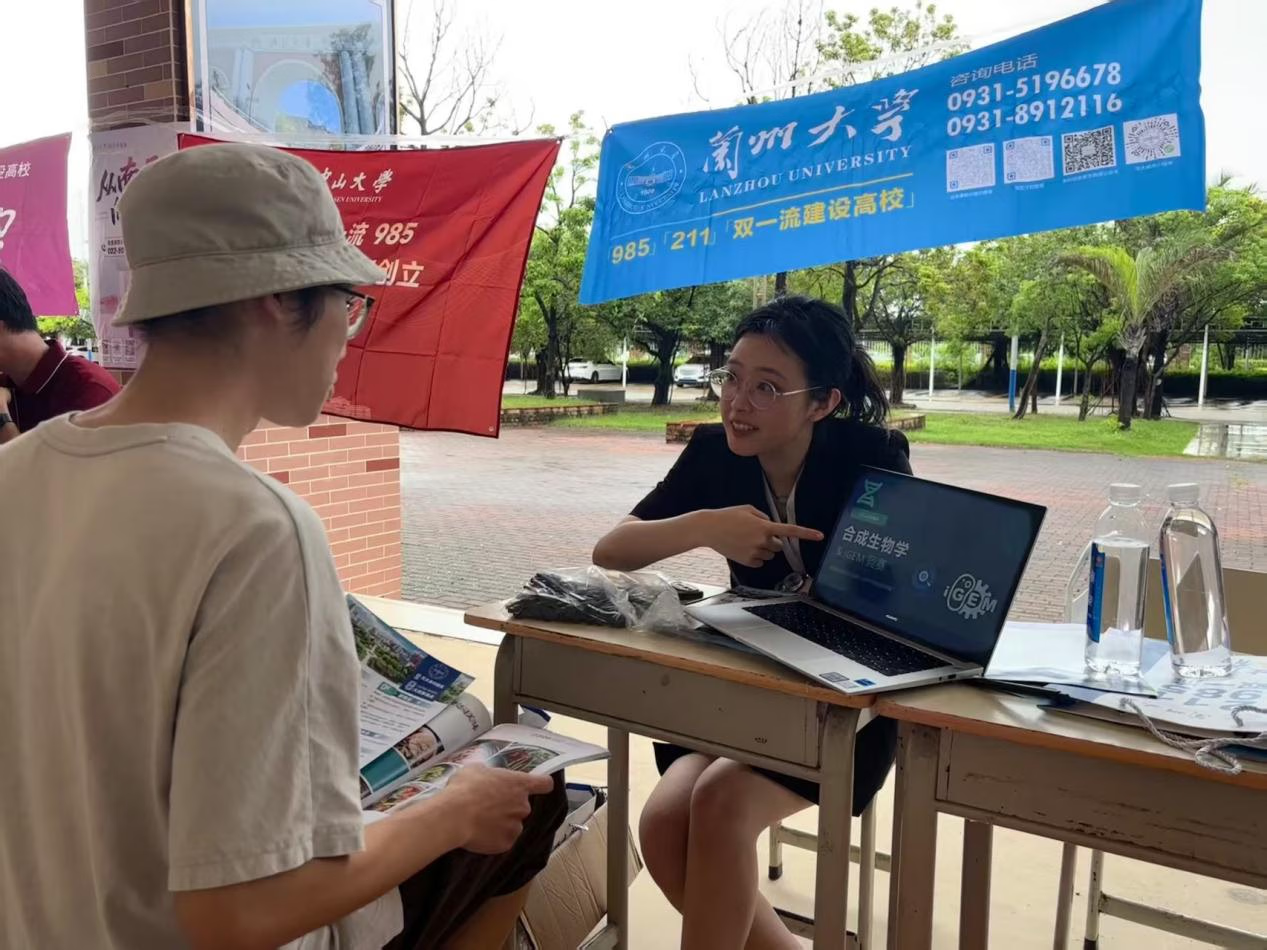
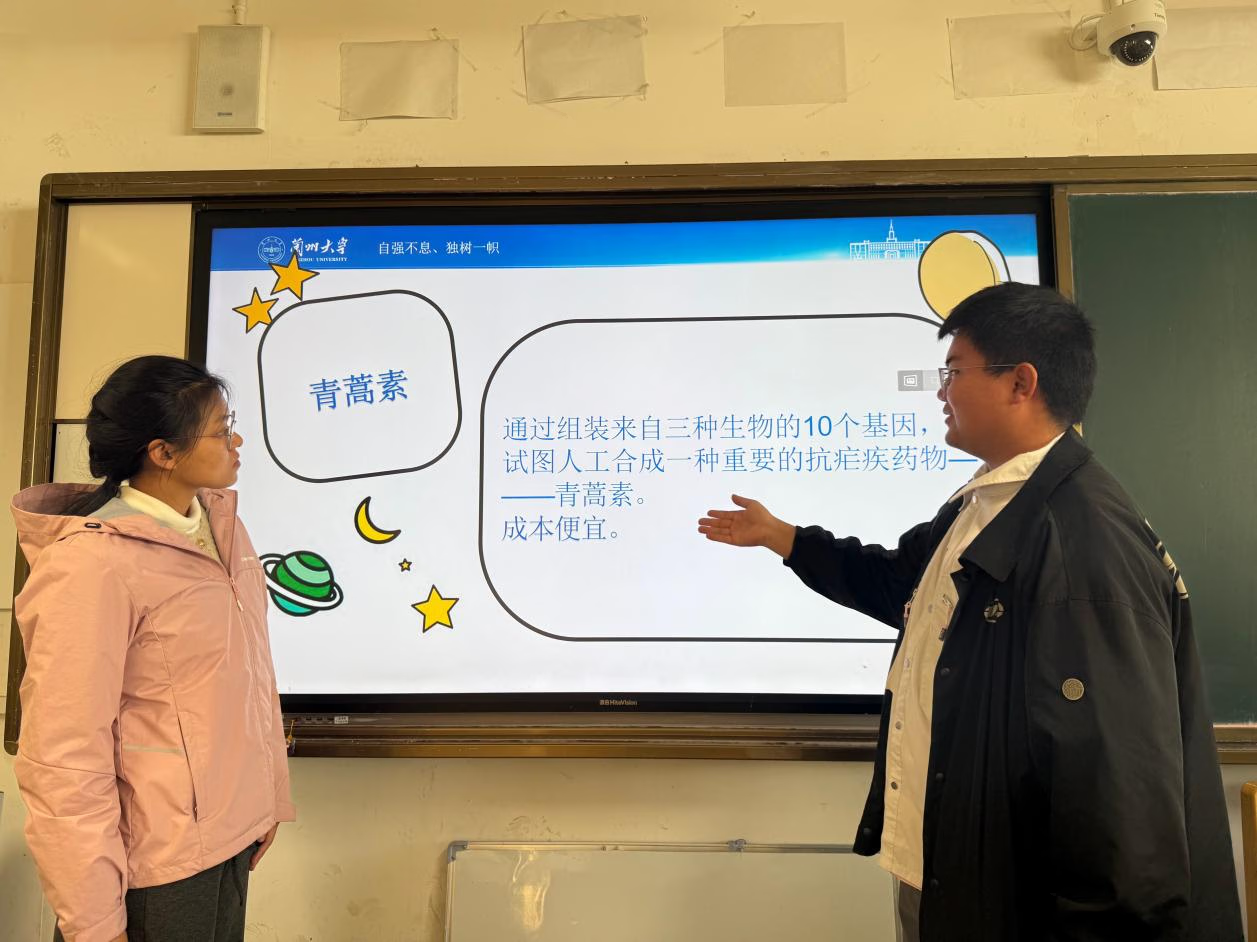
Figure 1. Project-themed posters, schematic diagrams of perioperative gut microbiota imbalance, Lanzhou University promotional materials, and synthetic biology popular science illustrations.
2. Inter-University Collaboration: Exchange and Resource Sharing
2.1 Collaboration with Hunan University Research Team
On May 25, 2026, we exchanged ideas with the Hunan University research team, focusing on gene circuit design and logic operations in synthetic biology.
We introduced our dual-input AND gate, in which the simultaneous presence of relatively high levels of AI-2 and tetrathionate in the gut enables two independently expressed fragments of Split T7 RNA Polymerase to reconstitute an active T7 RNA polymerase, thereby activating downstream diagnostic and therapeutic modules.
The two teams discussed how to achieve multi-signal integration, reduce background expression, and maintain stable responses from downstream output modules. This discussion helped us further recognize that the strength of synthetic biology lies not only in enabling cells to perform specific functions, but also in giving cells signal-processing capabilities resembling those of computational systems. By processing multiple environmental signals, engineered bacteria may respond more precisely to complex biological conditions.
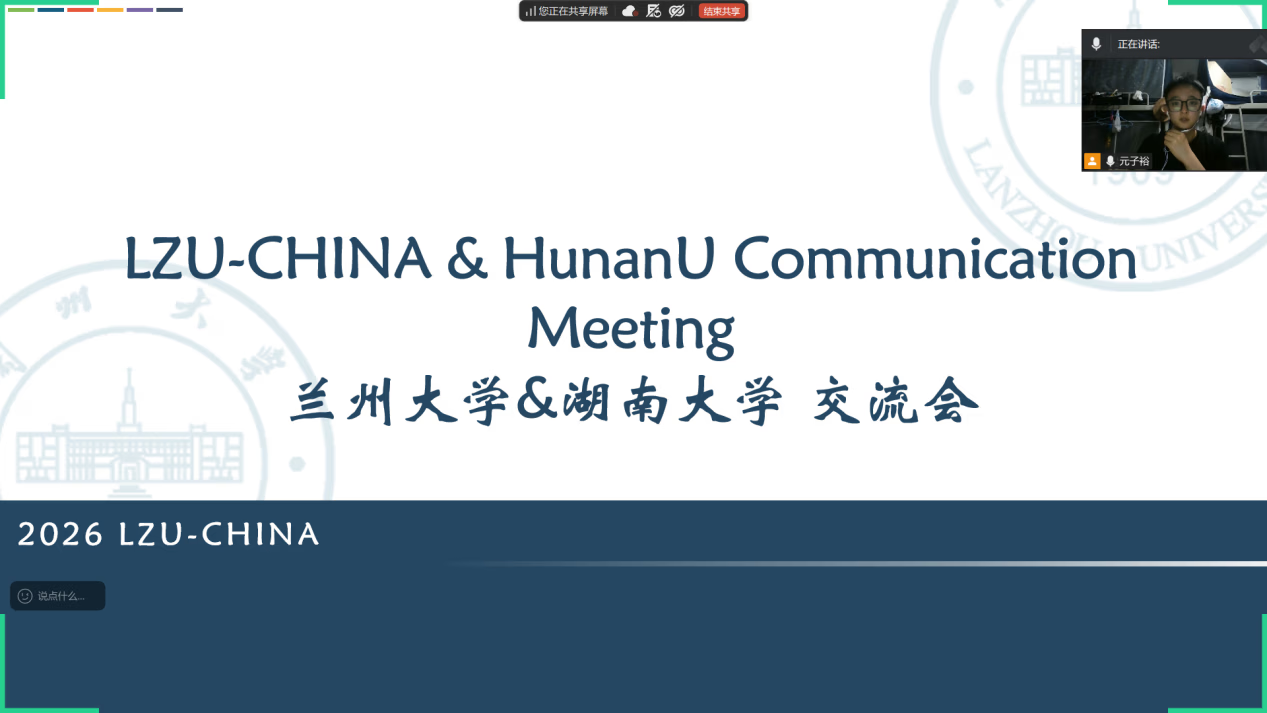
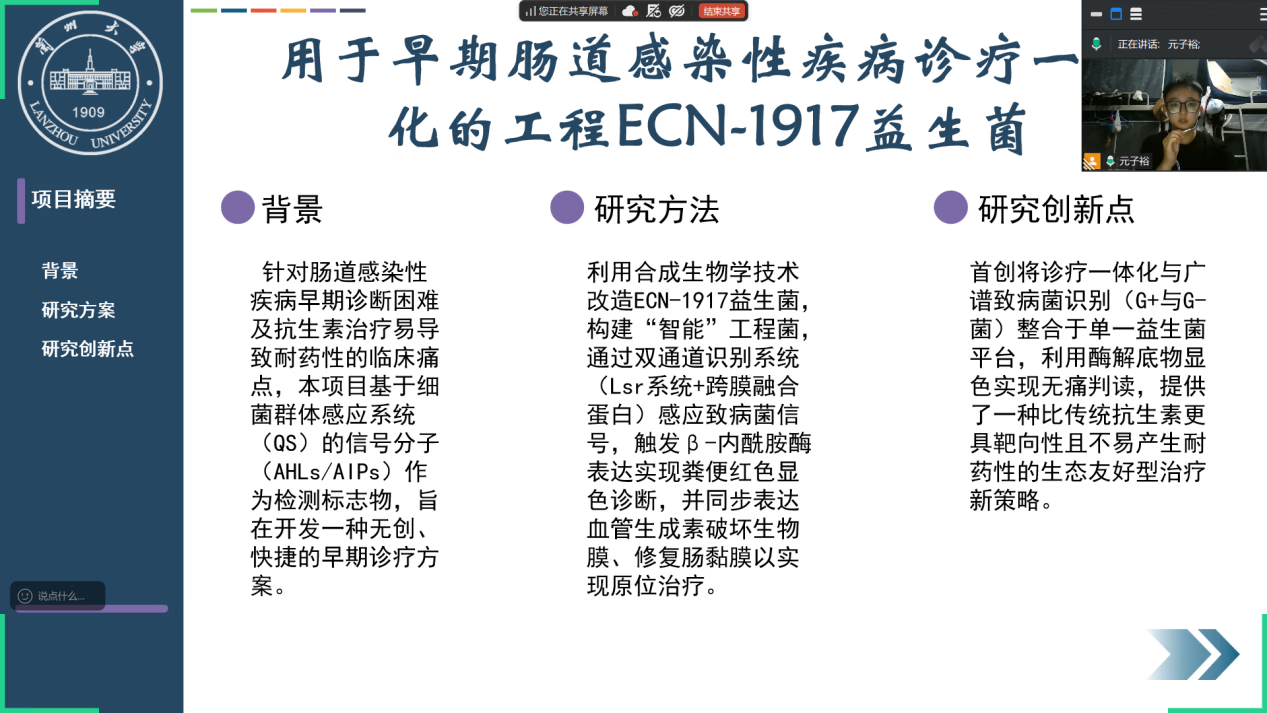
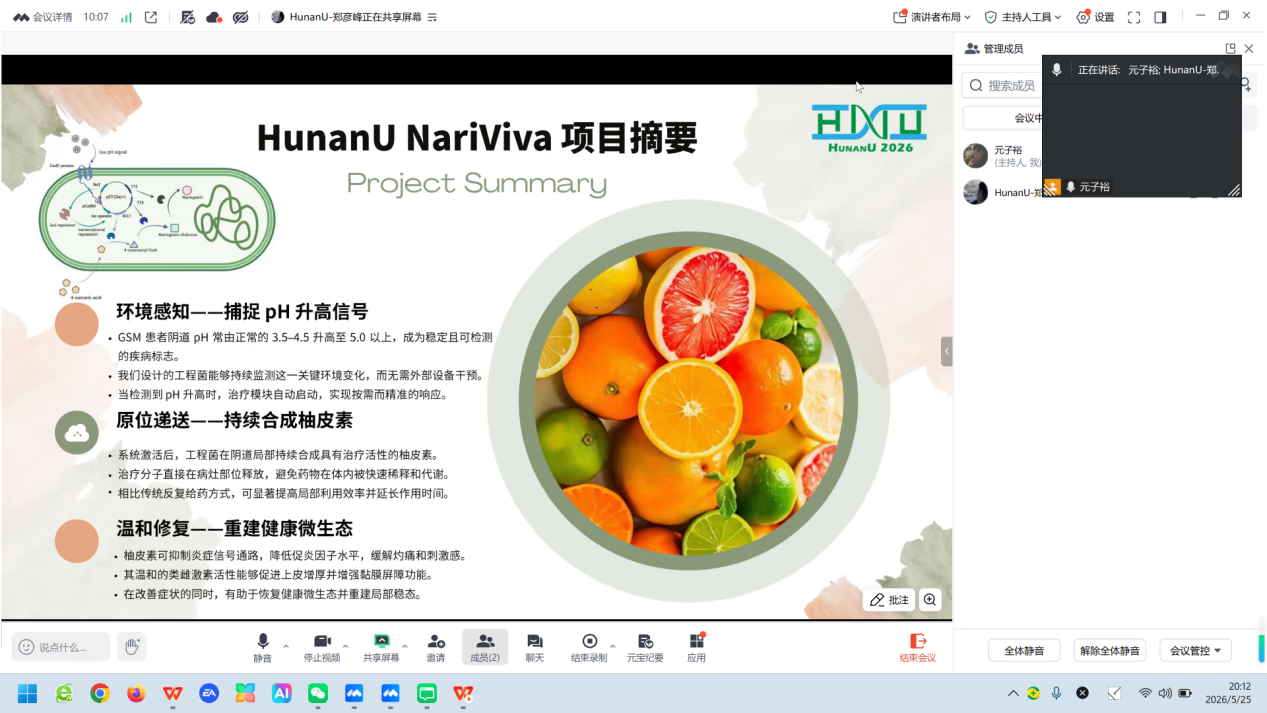
Figure 2.1. Exchange with Hunan University Research Team
2.2 Exchange with Shenyang Pharmaceutical University Research Team
On May 25, 2026, we exchanged ideas with the Shenyang Pharmaceutical University research team. During the meeting, we introduced our analysis of the intestinal infection microenvironment and explained why AI-2 and tetrathionate were selected as dual input signals.
We considered that a single signal may be affected by normal intestinal physiology or non-infectious inflammation. Therefore, combining multiple pathological signals may provide a more reliable indication of infection, while logic gates can be used to “compute” complex biological information.
The two teams discussed biological signal recognition, engineered bacterial response mechanisms, and strategies for improving detection specificity. Through this exchange, we further realized that an effective synthetic biology system requires not only appropriate biomarkers, but also a complete engineering chain connecting “signal recognition” to “functional output.” This discussion helped us systematically reconsider how the different modules of our project should be connected.
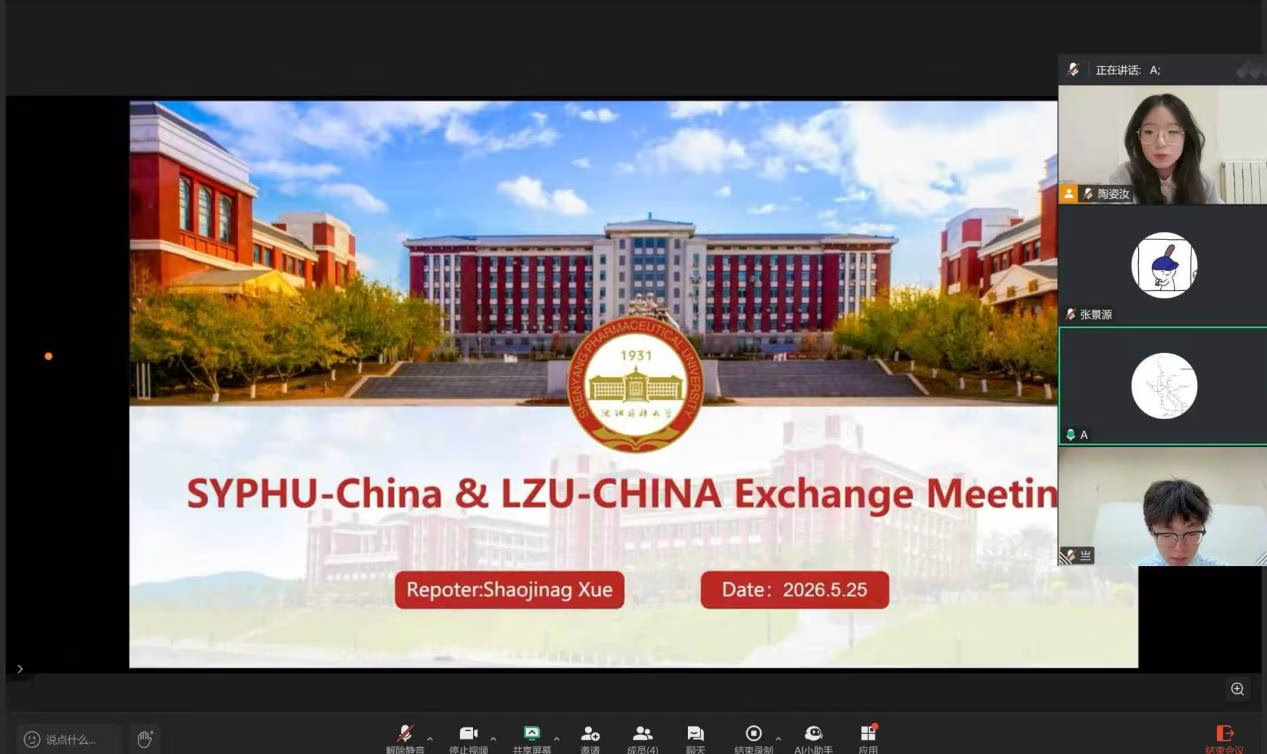
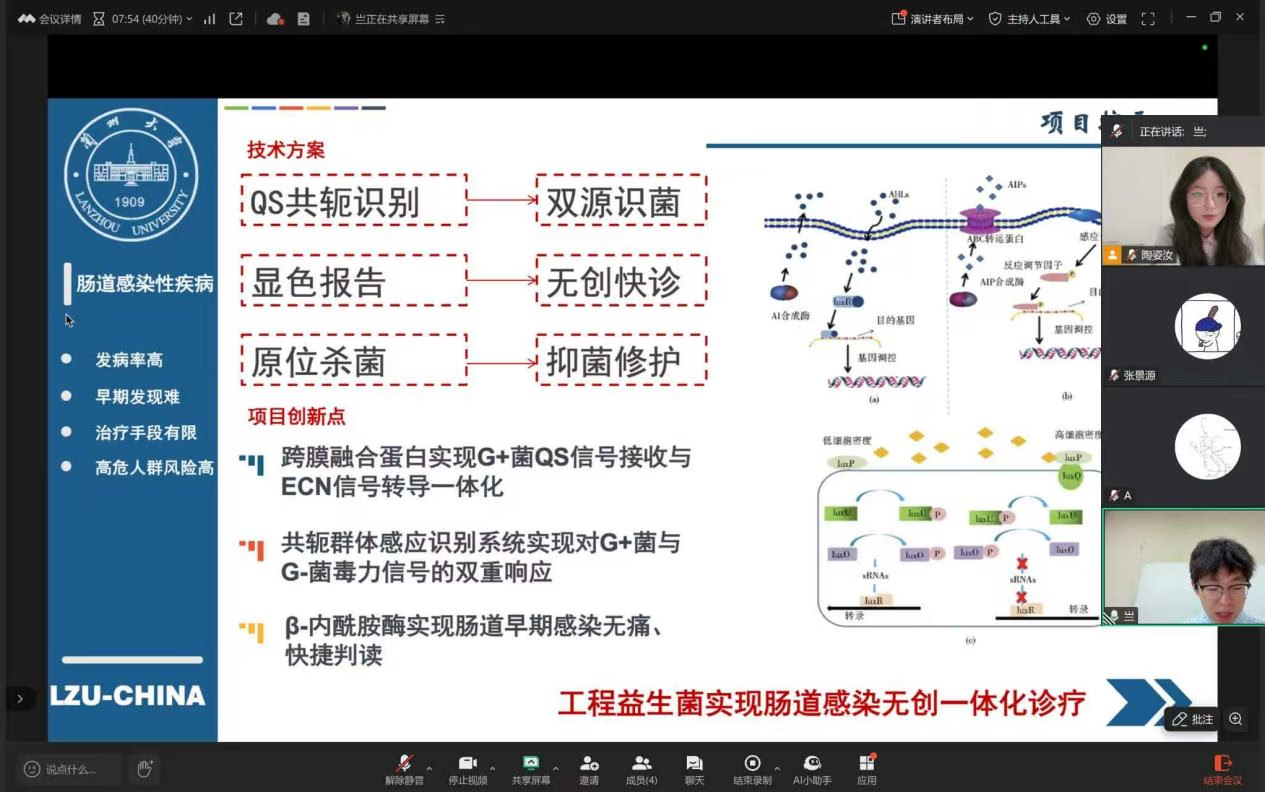
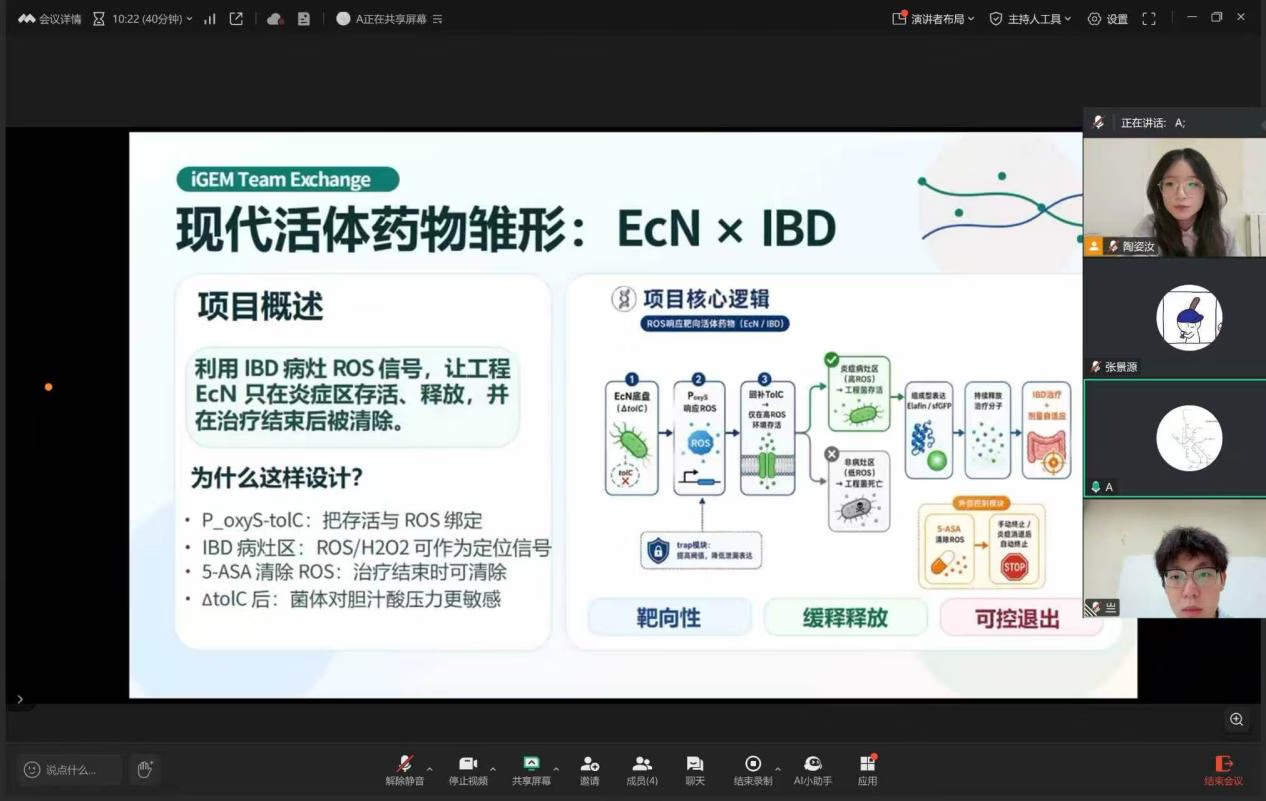
Figure 2.2. Exchange with Shenyang Pharmaceutical University Research Team
2.3 Collaboration with Southern Medical University Research Team
On May 25, 2026, we exchanged ideas with the Southern Medical University research team. As a team with a medical background, we first discussed gastrointestinal infection as a clinical problem and introduced our proposed solution to the challenges of diagnosis and intervention in perioperative and hospitalized patients.
We focused on our design concept of using E. coli Nissle 1917 (EcN) as the chassis to sense pathological signals in the gut and achieve early infection recognition and targeted intervention. The two teams further discussed the potential applications of synthetic biology in clinical settings, as well as the safety and feasibility challenges that engineered bacteria may face in real medical environments.
This exchange made us pay greater attention to the gap between “feasibility in the laboratory” and “applicability in clinical practice.” It also encouraged us to reconsider our project from the perspective of actual patient use scenarios, providing new ideas for further improving the diagnostic functions and safety controls of our engineered bacterial system.
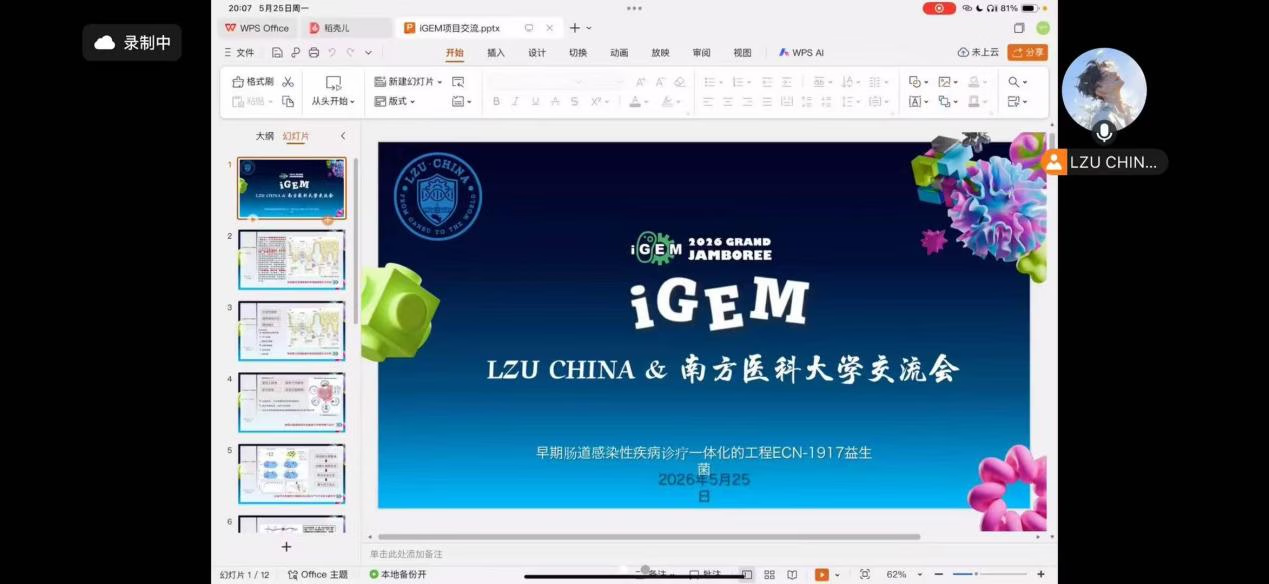
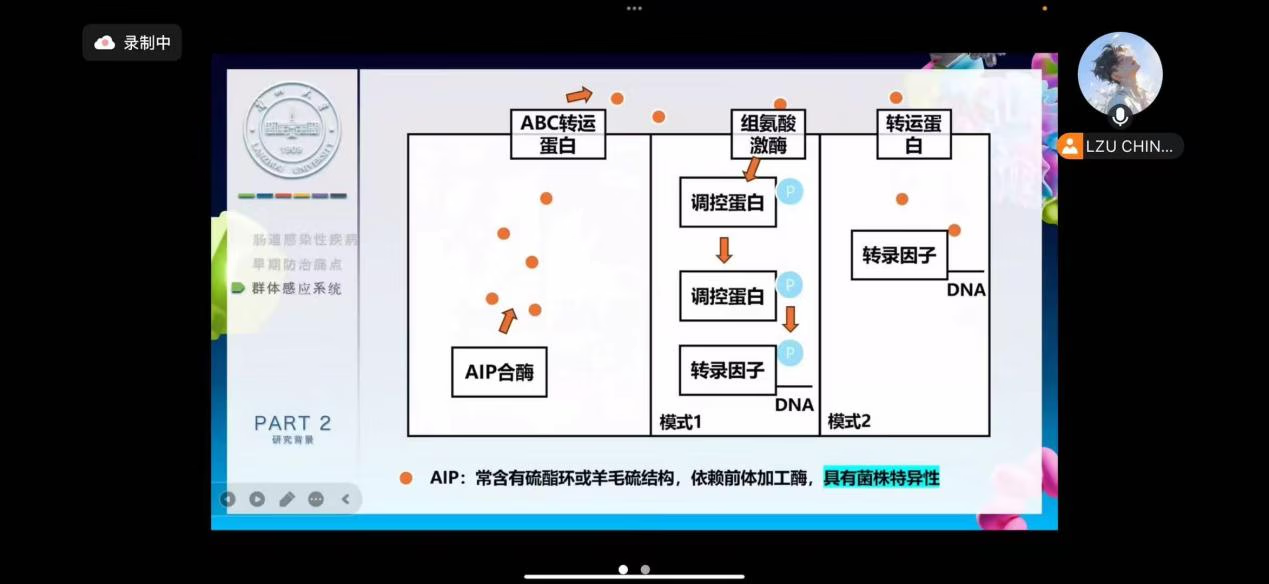
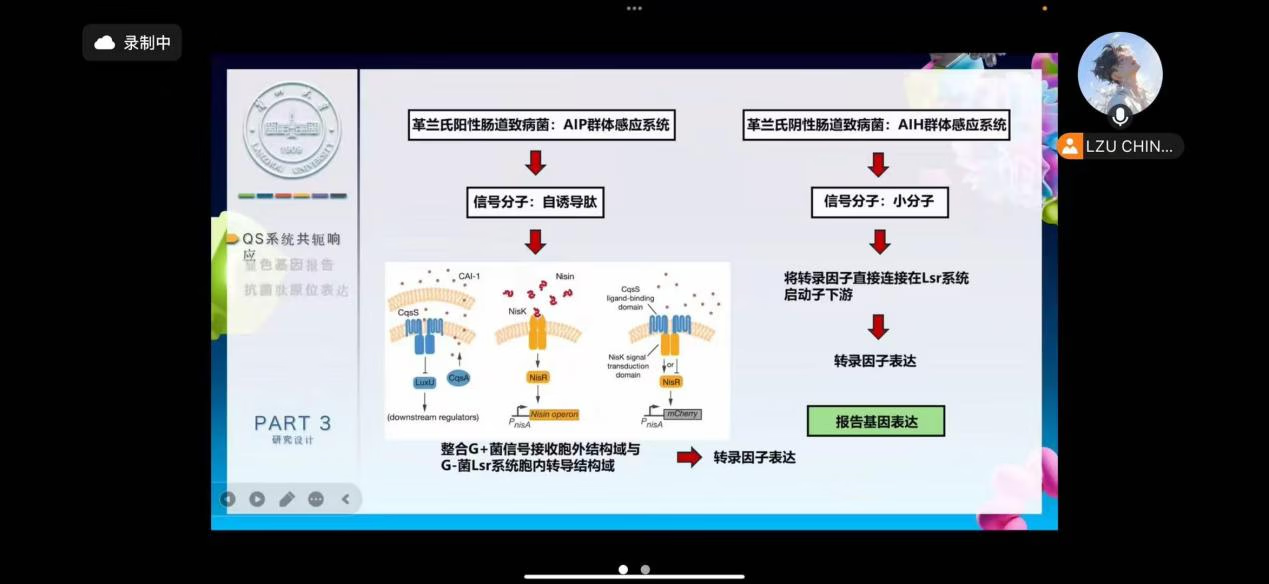
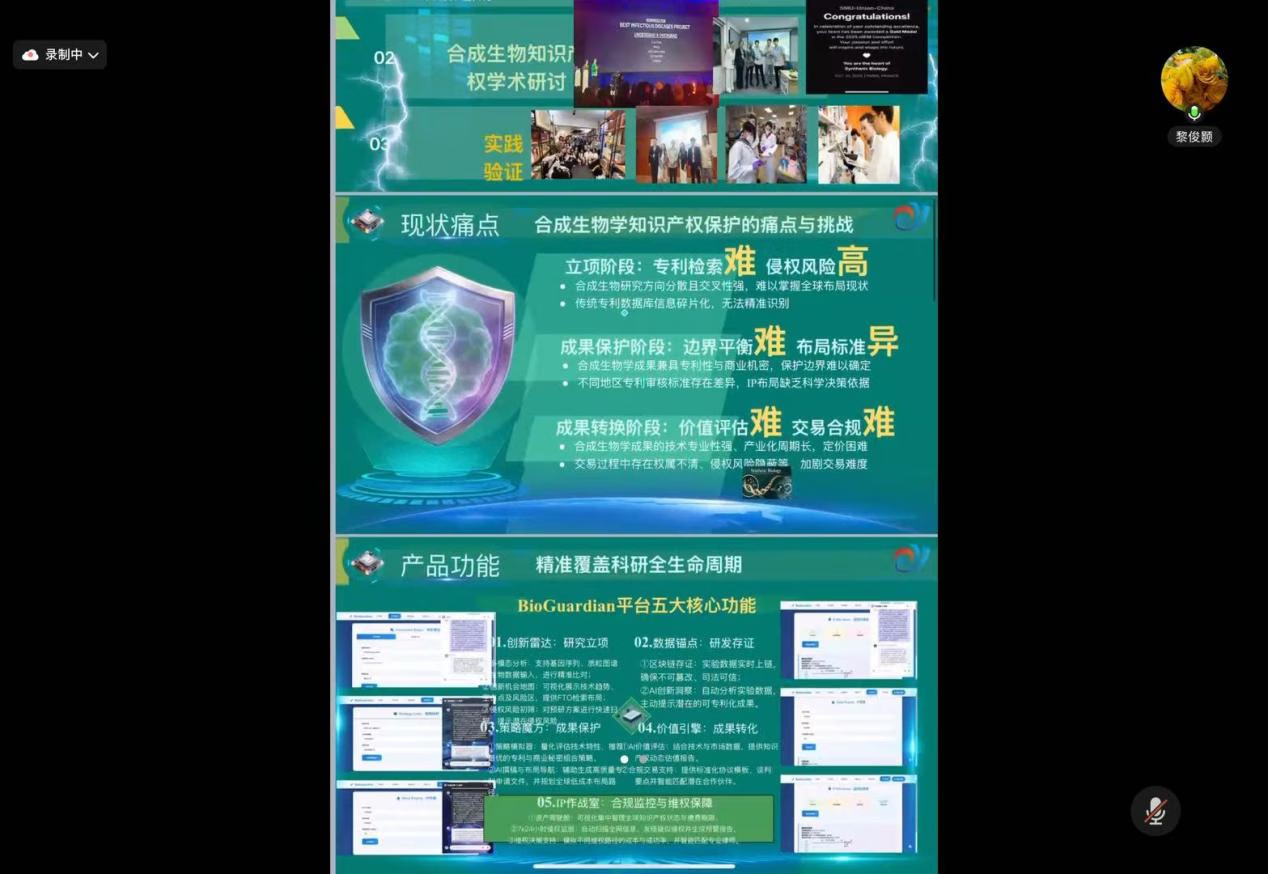
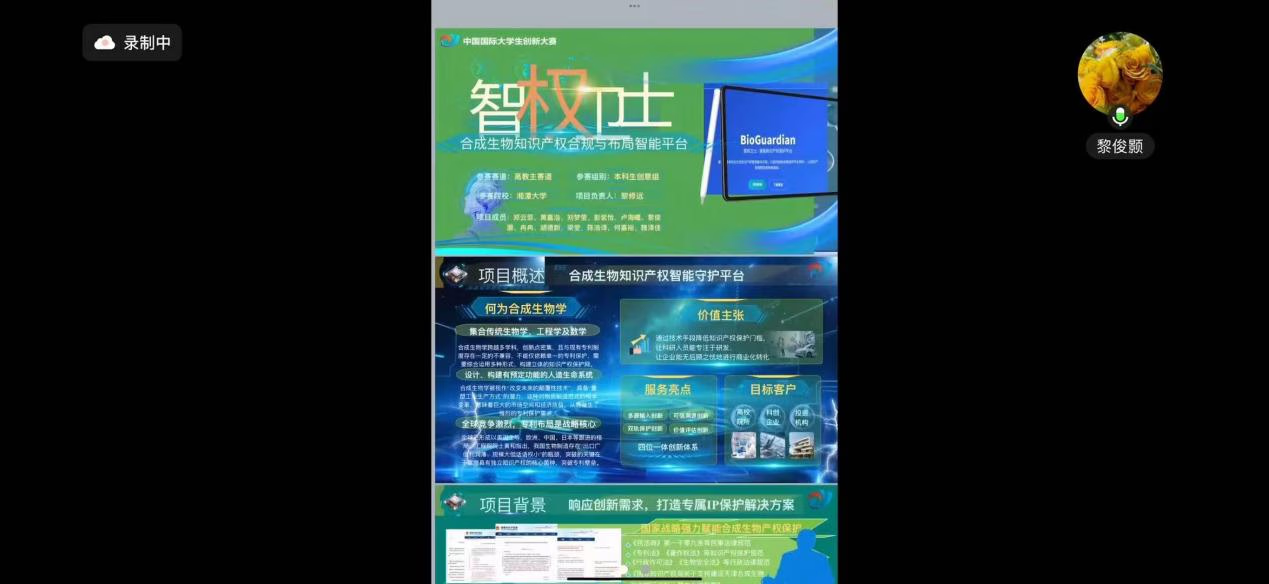
Figure 2.3. Exchange with Southern Medical University Research Team
2.4 Collaboration with Fudan University Research Team
On May 26, 2026, we exchanged ideas with the Fudan University research team. We focused on the integrated “diagnosis–treatment” concept of our project.
After detecting the two infection-associated signals, AI-2 and tetrathionate, our engineered bacteria can activate a LacZ-based reporter system to produce a visible color change, providing an intuitive signal for potential point-of-care detection. At the same time, the system can further activate the expression of antimicrobial peptides to achieve localized intervention against target pathogens.
The two teams discussed diagnostic signal output, therapeutic effects, and the coordination between different functional modules. This exchange encouraged us to further consider the distance between “identifying a problem” and “solving a problem.” We became more convinced that our project should not merely function as a pathogen detection tool. Instead, we aim to enable engineered bacteria to sense, interpret, and respond to infection at an early stage, thereby creating a more integrated diagnostic and therapeutic loop.
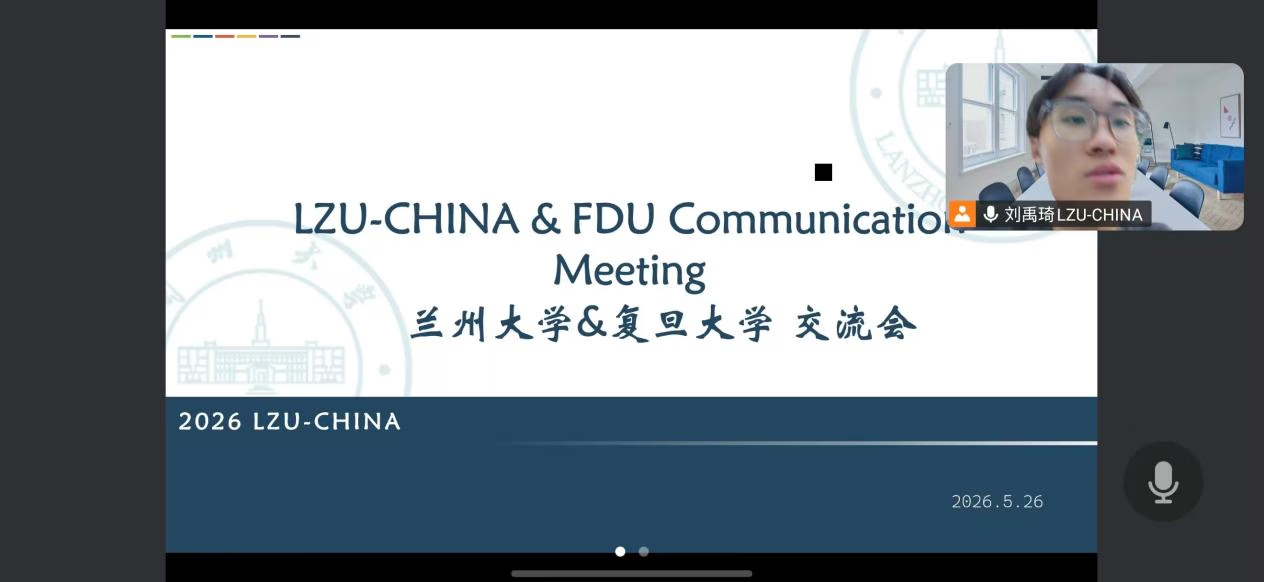
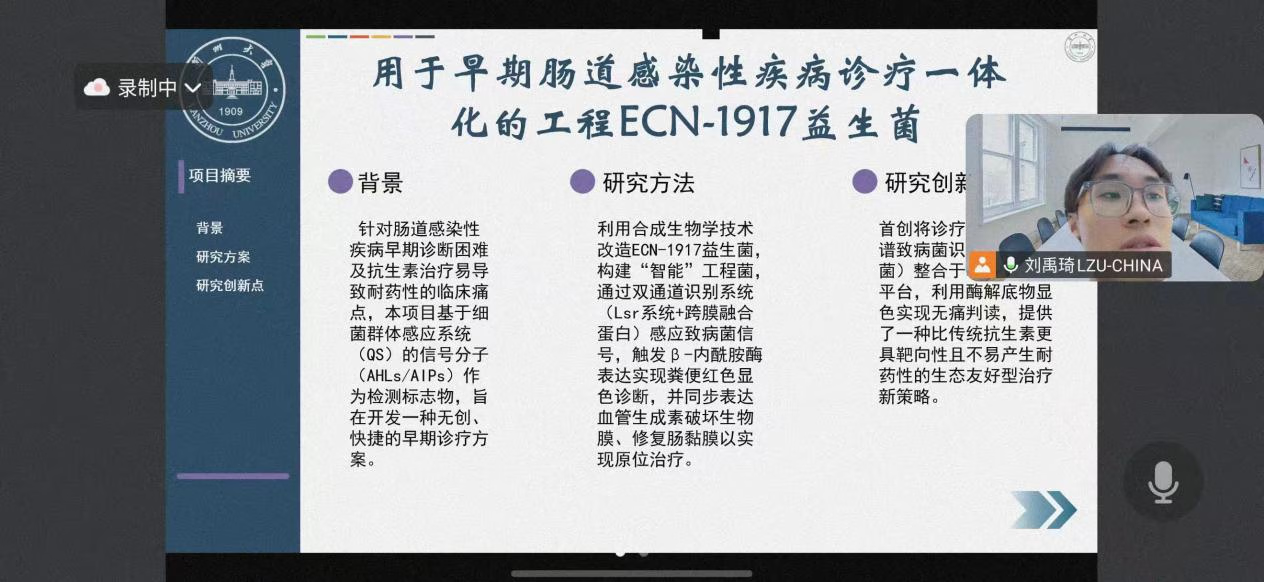
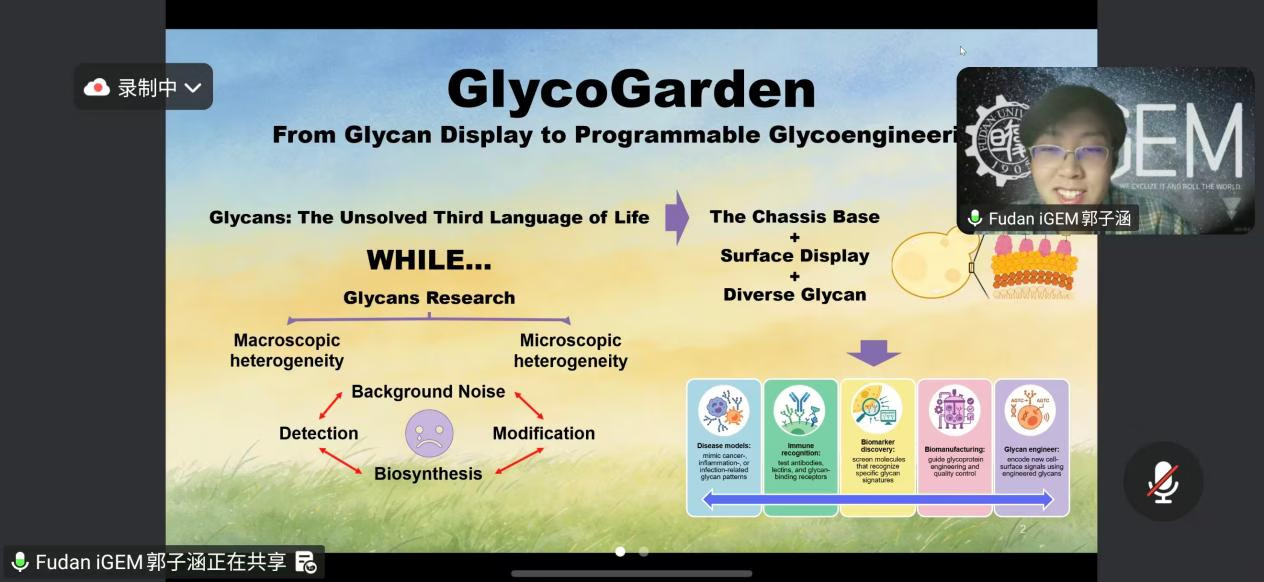
Figure 2.4. Exchange with Fudan University Research Team
2.5 Collaboration with Shenzhen University Research Team
On May 29, 2026, we exchanged ideas with the Shenzhen University research team. We introduced our targeted therapeutic strategy, which aims to address the potential disruption of the gut microbiota caused by conventional empirical antimicrobial treatment.
Traditional antibiotics can affect beneficial commensal bacteria while eliminating pathogens. Therefore, our design aims to use engineered bacteria to selectively express narrow-spectrum antimicrobial peptides after detecting specific infection-associated signals, concentrating the therapeutic effect on target pathogens as much as possible.
The two teams discussed targeted antibacterial strategies, therapeutic selectivity, and the potential effects of engineered bacteria on the intestinal microbiota. This discussion encouraged us to pay greater attention to the precision and boundaries of the therapeutic module. We further recognized that future living biotherapeutics should not only eliminate pathogens, but also minimize unnecessary disturbance to the surrounding microbial ecosystem.
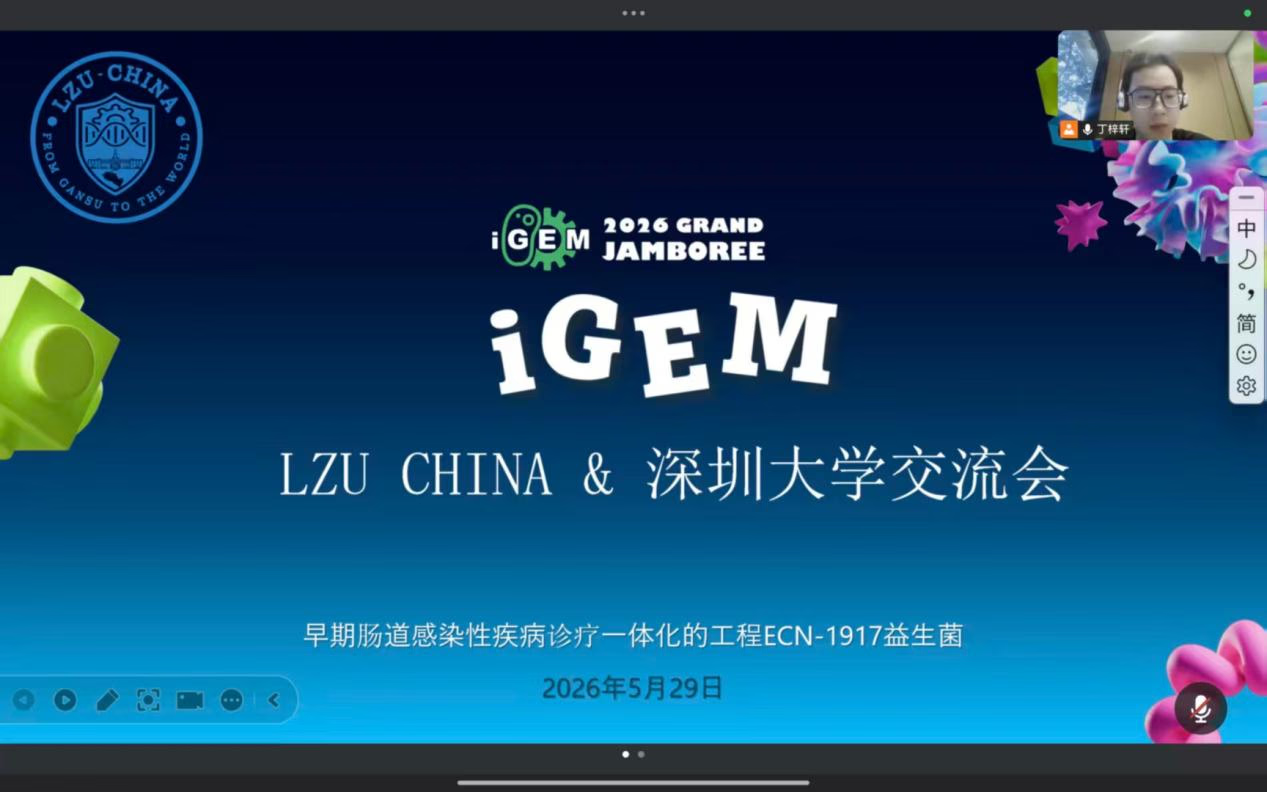
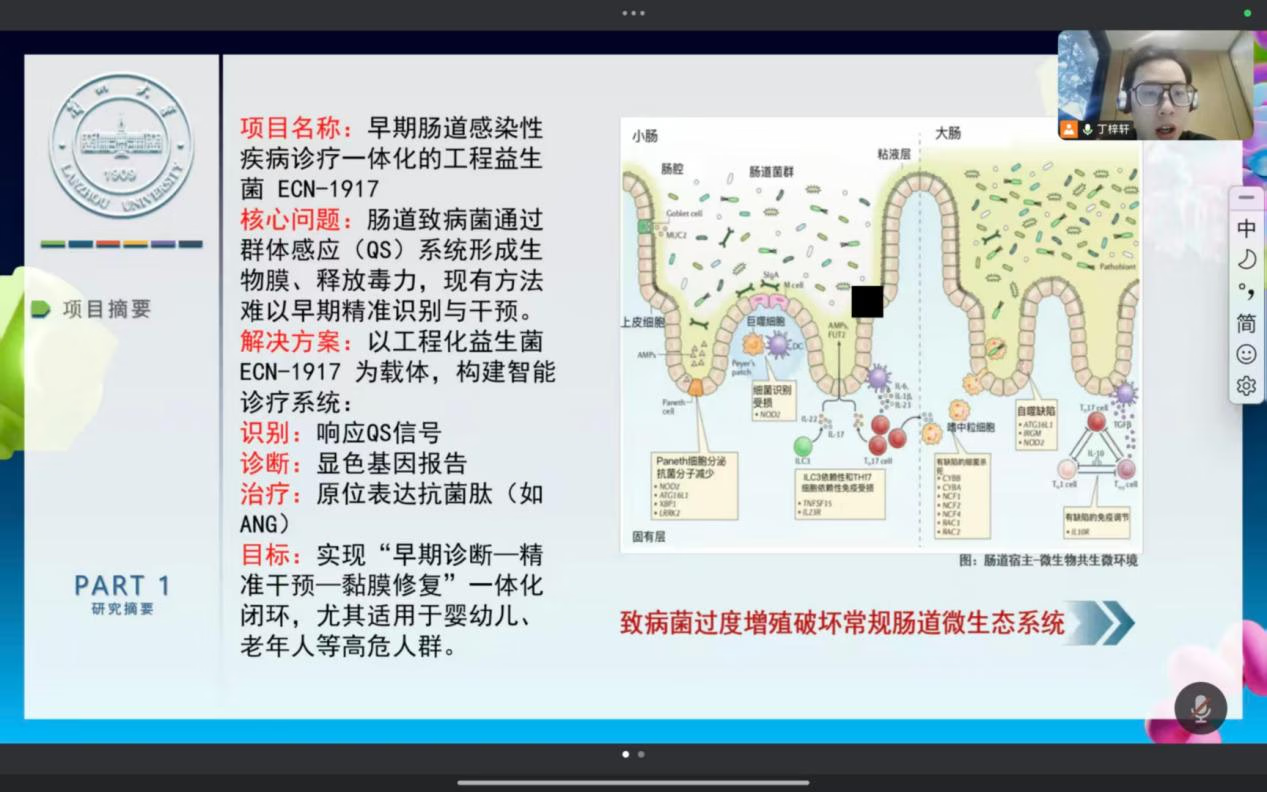
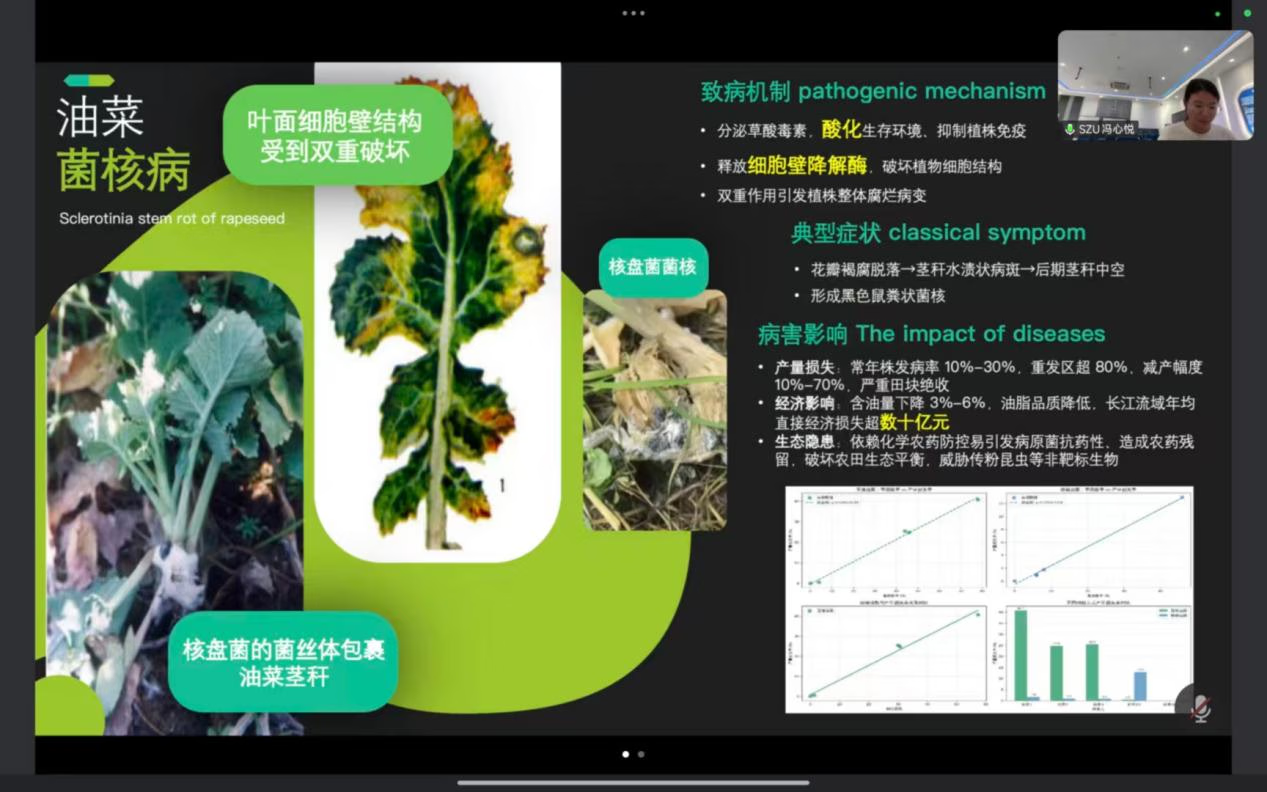
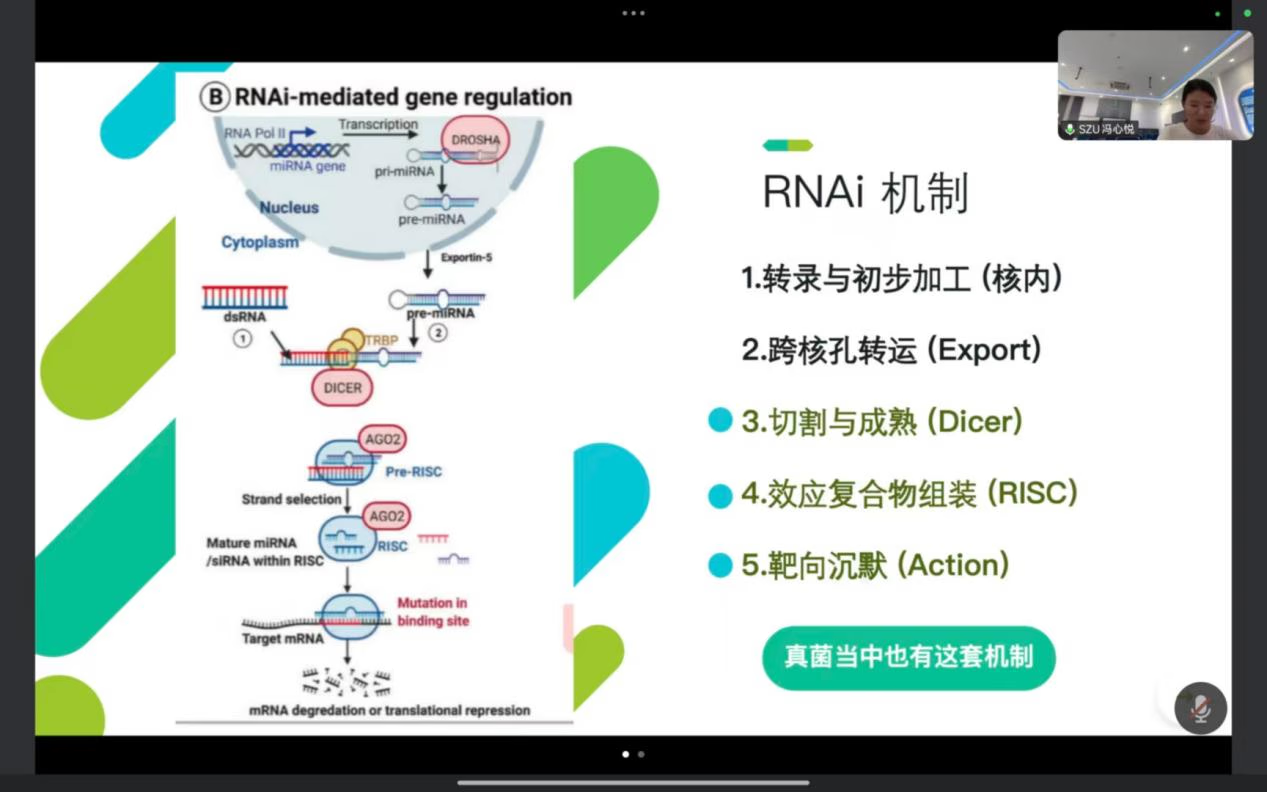
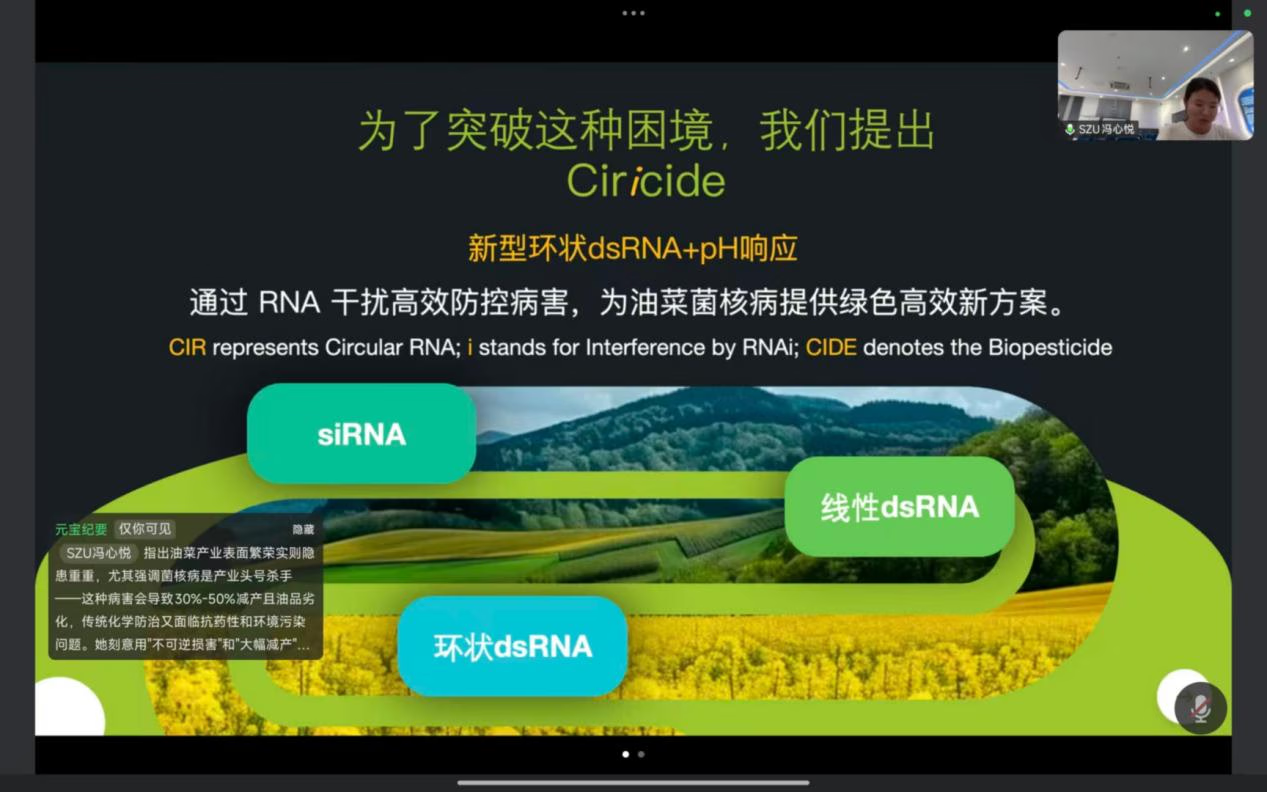
Figure 2.5. Exchange with Shenzhen University Research Team
2.6 Collaboration with Huazhong Agricultural University Research Team
On August 13, 2026, we exchanged ideas with the Huazhong Agricultural University research team. As our project design progressed, we shifted our focus toward the biosafety of engineered bacteria.
We introduced the Hok/Sok toxin–antitoxin system used in our project and combined it with the gut-specific bile salt-responsive promoter P16090 to develop a biological containment strategy of “survive in the gut, self-lyse outside the host.” This design aims to maintain the function of the engineered bacteria within the intestinal environment while rapidly reducing their viability after leaving the host, thereby minimizing the risk of environmental dissemination.
The two teams discussed environmental release, biological containment, and safety boundaries for potential applications of living biotherapeutics. This exchange reinforced our understanding that biosafety should not be treated as an additional feature added after project completion. Instead, it should be incorporated from the earliest stages of engineered bacterial design.
Therefore, we further organized the relationship among the four major layers of our system: “sensing–computation–therapy–self-limitation.” While pursuing diagnostic and therapeutic functions, we also aim to establish a more reliable safety barrier for the future application of engineered bacteria.
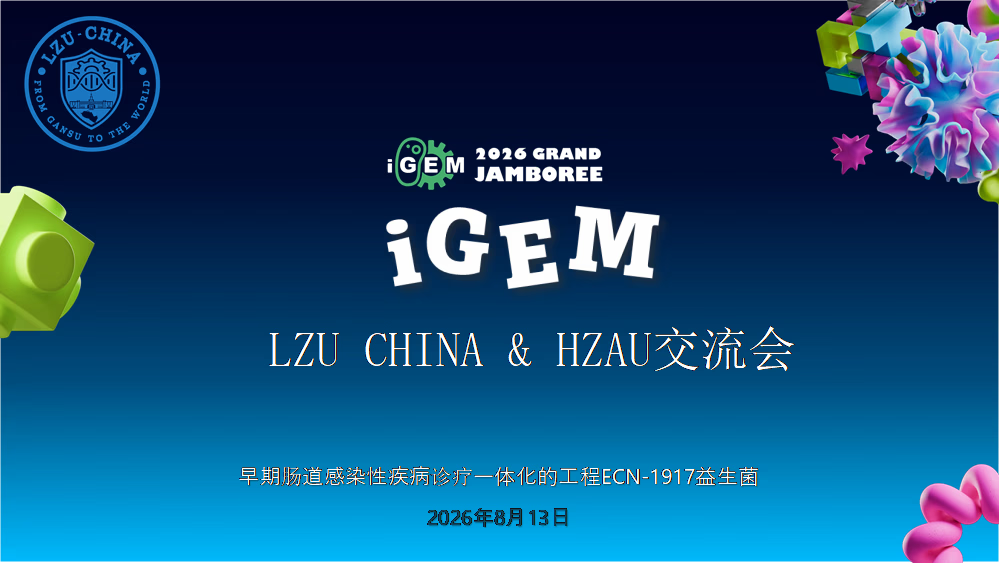
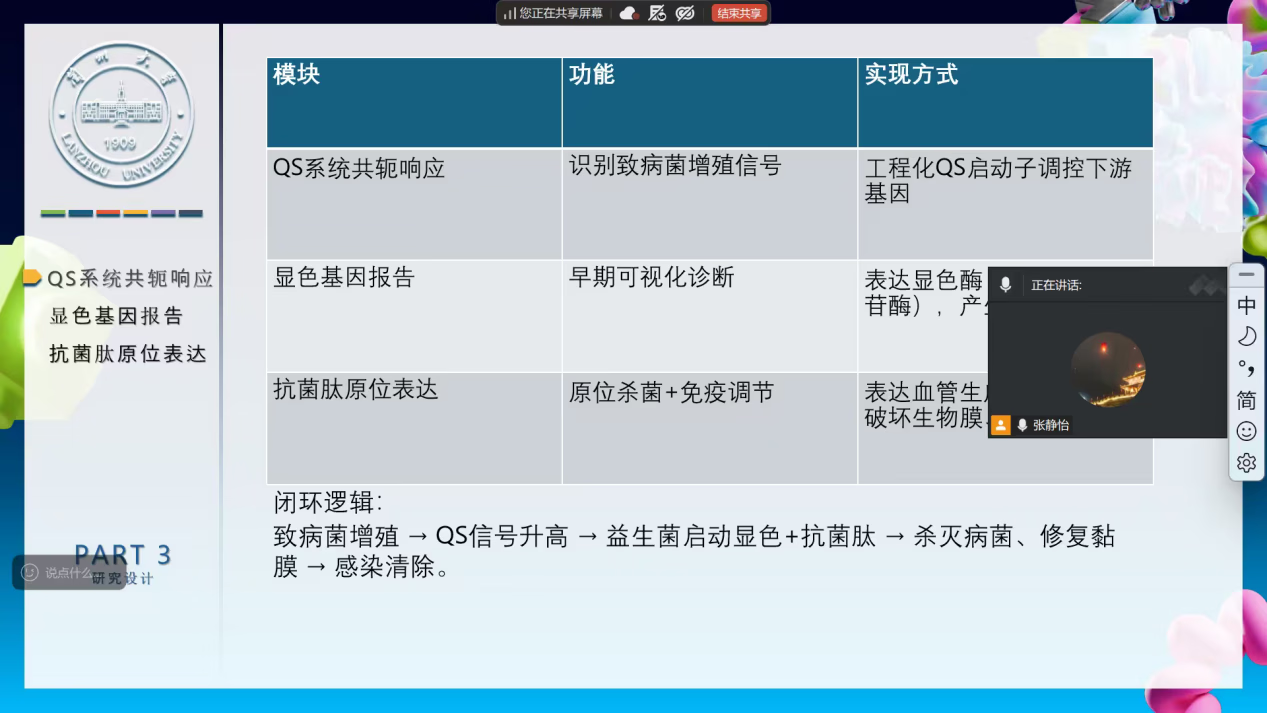
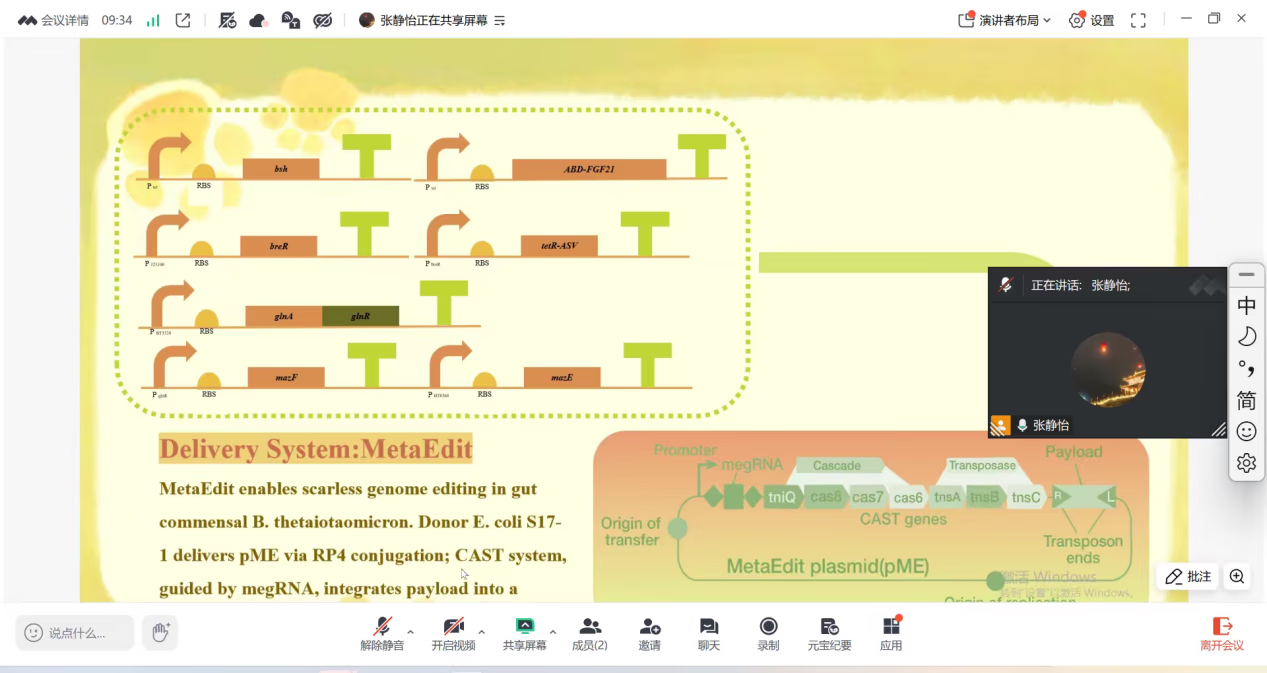
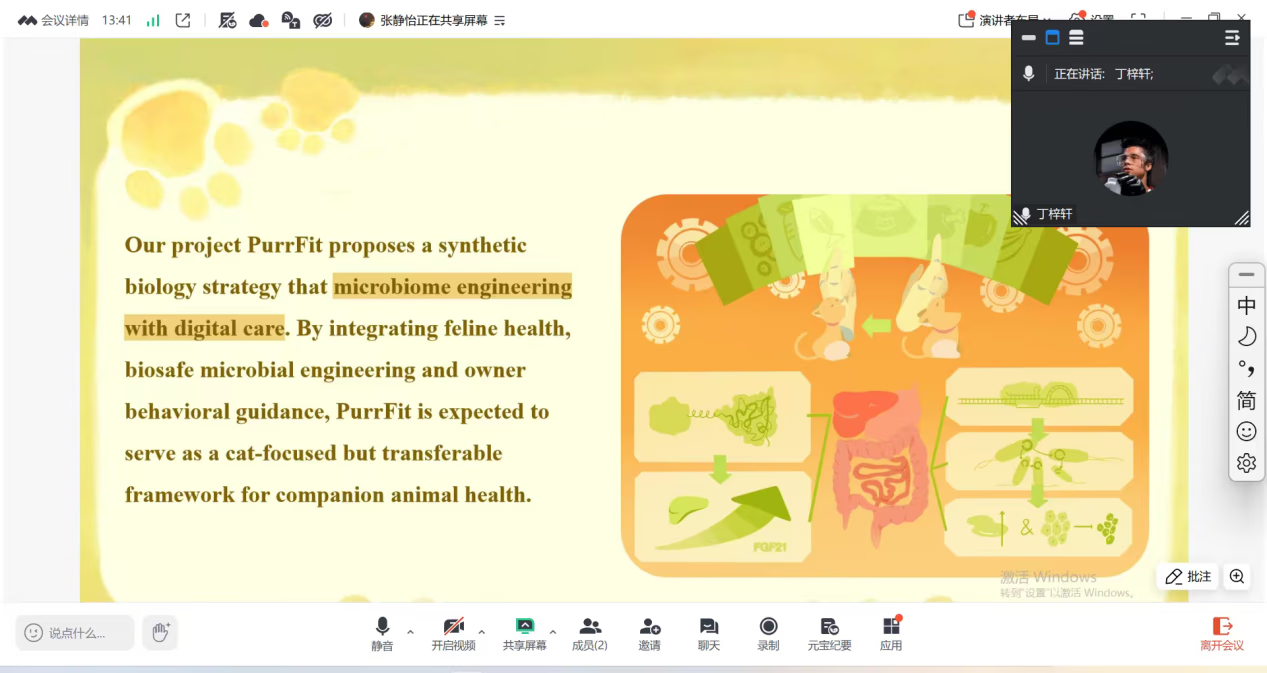
Figure 2.6. Exchange with Huazhong Agricultural University Research Team
2.7 The 1st APIC Conference on Synthetic Biology Innovation and Application
In August, our team was invited to attend the 1st APIC Conference on Synthetic Biology Innovation and Application. We gathered with research teams from dozens of universities nationwide, experts and scholars in synthetic biology, and industry representatives to exchange views on cutting-edge technologies, medical applications, industrial translation, and biosafety.
Poster presentation: Our team presented our 2026 project "Engineered EcN-1917 Probiotics for Integrated Diagnosis and Treatment of Early Intestinal Infectious Diseases" as an academic poster. Team members stayed at the booth and explained project background, module design, experimental progress, and application prospects to participating students, teachers, and industry experts. We elaborated the integrated design concept of "sense–report–intervene," highlighting five core modules: quorum-sensing signal recognition, dual-input logic-gate computation, colorimetric diagnostic output, targeted antimicrobial therapy, and biosafety containment.
Oral presentation: In the parallel session, our team representative delivered an oral presentation. Starting from real clinical pain points, the report outlined the epidemiological status and clinical hazards of perioperative gut microbiota dysbiosis, compared limitations of existing solutions (traditional antibiotics, FMT), and presented the full technical pathway from signal perception and logical judgment to in-situ diagnosis and treatment. The Q&A session that followed generated active discussion: clinical experts and synthetic biology scholars raised questions about target specificity, in-vivo colonization stability, and effectiveness verification pathways. These suggestions were brought back to our team and informed our subsequent reconsideration of module design priorities, particularly the need to strengthen in-vivo colonization data before claiming therapeutic efficacy.
Cross-team exchange: We visited booths of multiple university research teams with diverse research directions (microbial detection, viral biosensors, environmental synthetic biology). Both sides shared experimental schemes, project design ideas, and community engagement experience. We exchanged views on engineered strain construction, gene circuit optimization, and science communication strategies, identified details that could be improved in each other's designs, and agreed on continued online communication and resource sharing.
Impact on our project: This conference provided a platform to connect with academic and industrial frontiers. Beyond absorbing cutting-edge perspectives on synthetic biology translation, the expert feedback we received—particularly on colonization stability and verification design—directly shaped our revised project narrative and informed the inclusivity considerations documented in our Community section. The inter-university network established here also laid groundwork for future collaboration beyond the 2026 project season.
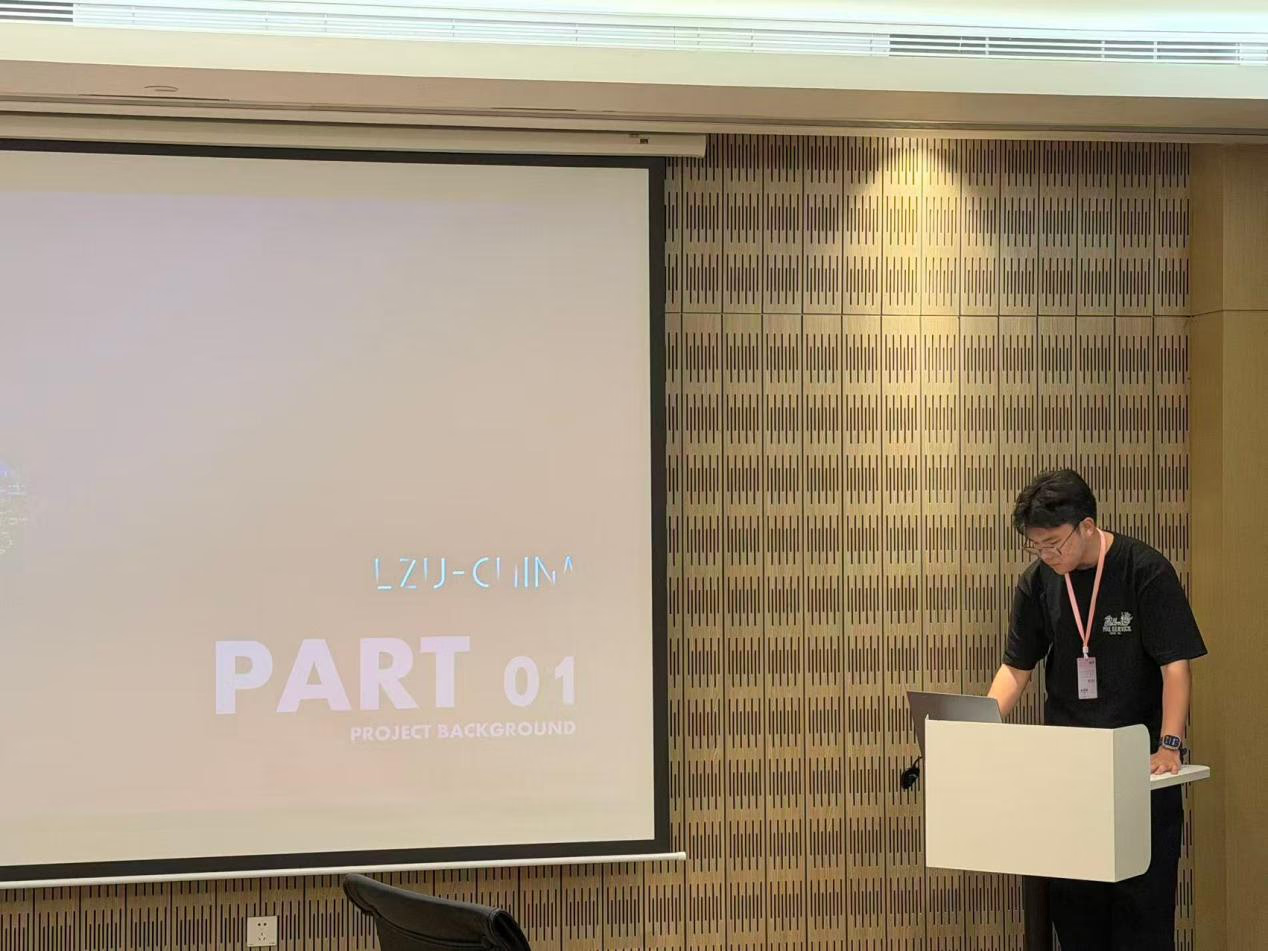
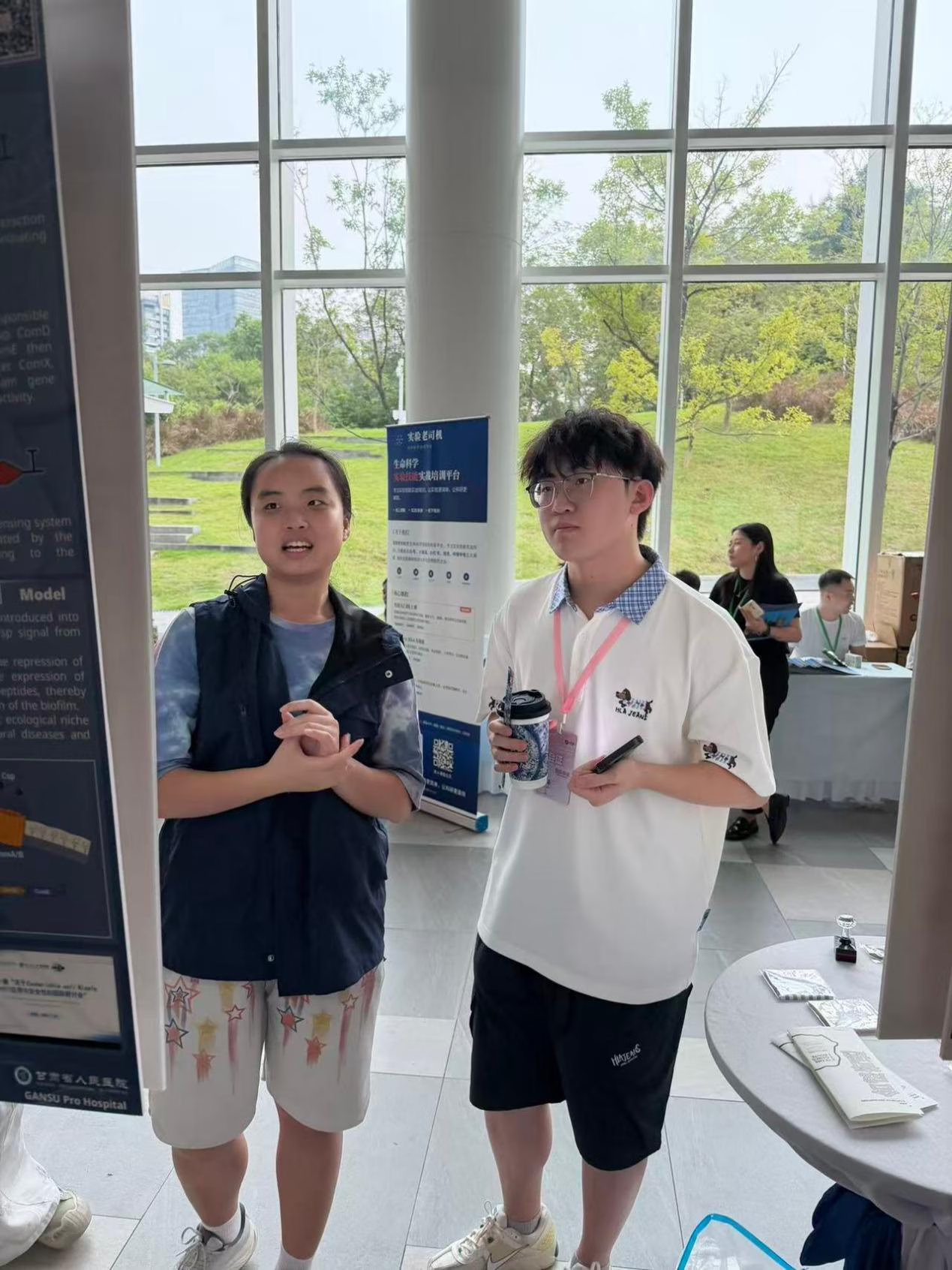
Figure 2.7. Our team at the 1st APIC Conference on Synthetic Biology Innovation and Application
3. Resource Connections and Collaboration with External Organizations
The value of synthetic biology does not exist solely within the laboratory. It also needs to be understood, discussed, and examined in real social contexts. For LZU-CHINA, Community engagement is not simply about introducing our project to the public. It is about actively engaging with different communities, understanding their perceptions and needs regarding intestinal health, infectious diseases, and engineered bacterial technologies, and considering how synthetic biology can genuinely serve society through these interactions.
This year, we organized a series of activities across four dimensions: campus, community, healthcare, and public health. From project promotion among university students and life science education for children to professional exchanges with clinical institutions and public health agencies, we sought to build a bridge between the laboratory and society, allowing different groups to participate in our project in their own ways.
3.1 Entering the Campus: Bringing Synthetic Biology Closer to University Students
At the beginning of our project, we first turned our attention to the university community around us. We designed and produced project posters and displayed them on bulletin boards across Lanzhou University, introducing our research background, core concept, and the potential application of engineered bacteria in the diagnosis and treatment of gastrointestinal infectious diseases.
On May 28, we further organized an offline outreach activity at the Medical Campus Square. Through an information booth and face-to-face communication, team members introduced intestinal microbiota, microbial signaling, and the basic principles of synthetic biology. We then connected these concepts to our EcN-1917 engineered bacterial system and explained how it could achieve “sensing–reporting–intervention” by detecting pathogen-associated signals.
Unlike one-way science communication, we placed greater emphasis on interaction. Students asked questions such as how engineered bacteria recognize pathogens, how the colorimetric signal is generated, and whether engineered bacteria could affect the normal intestinal microbiota. We responded based on the biological principles and design of our project. These questions also encouraged us to reconsider how to communicate engineered bacterial technologies in a clearer, more accurate, and more accessible way.
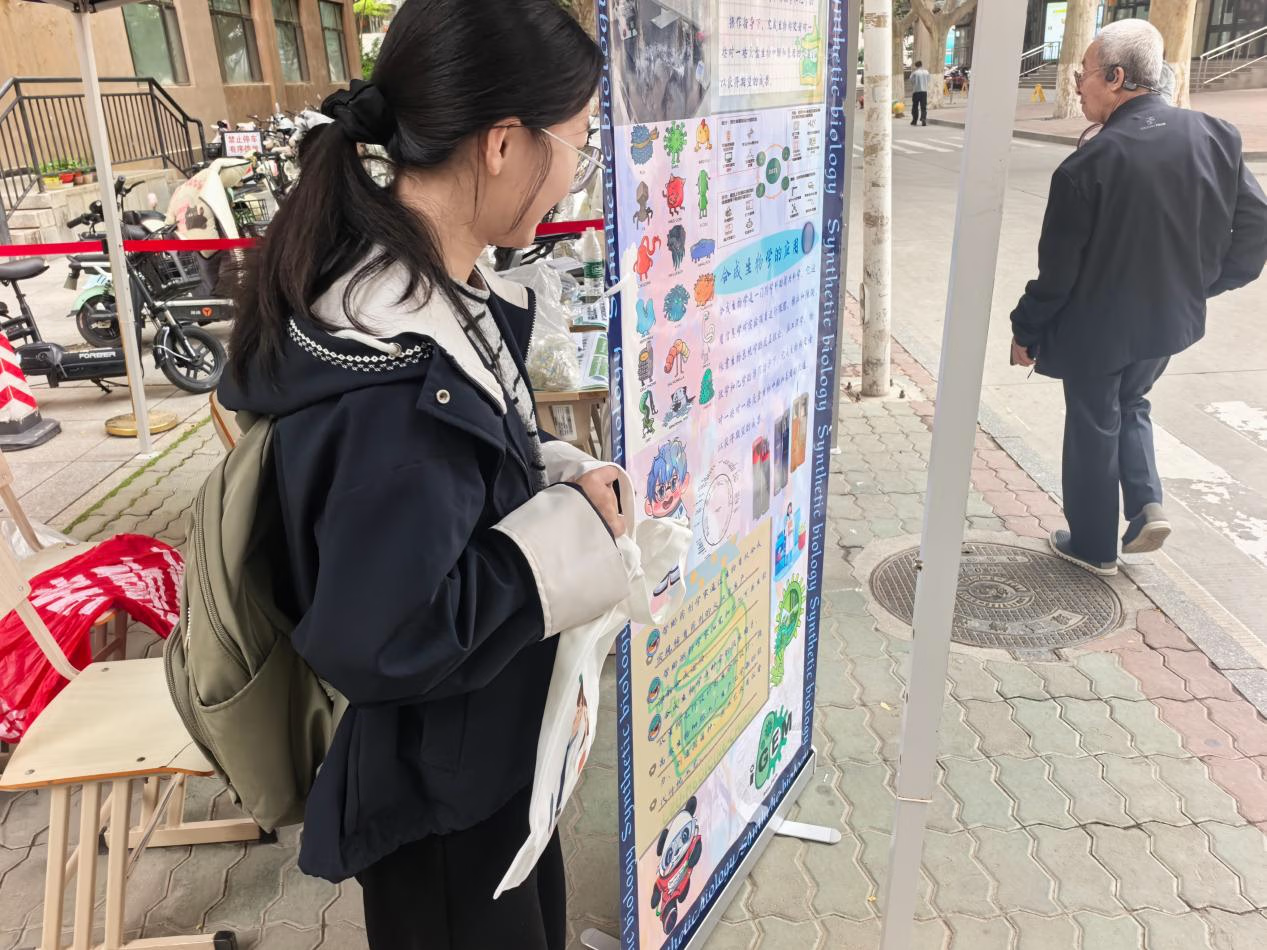
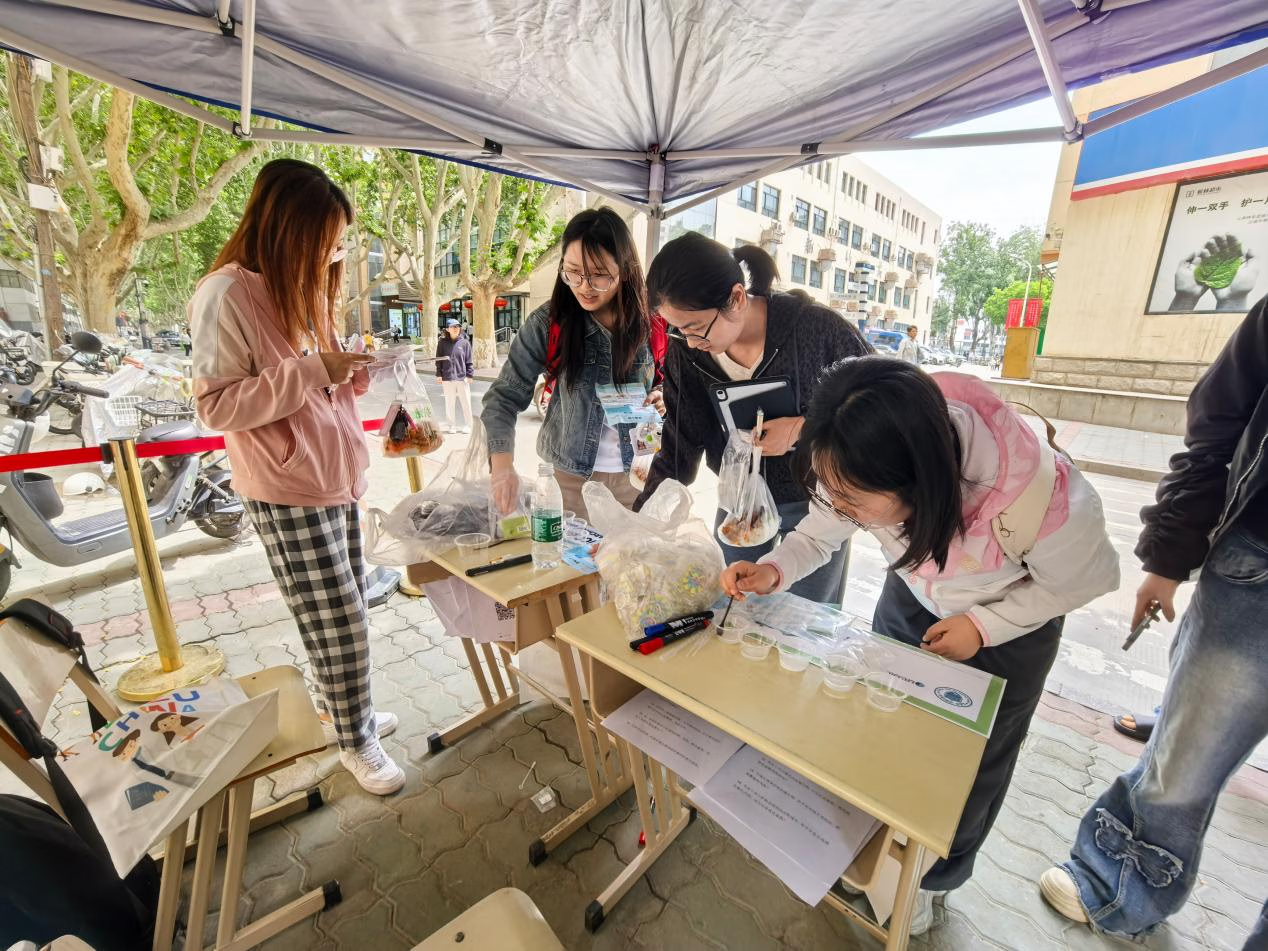
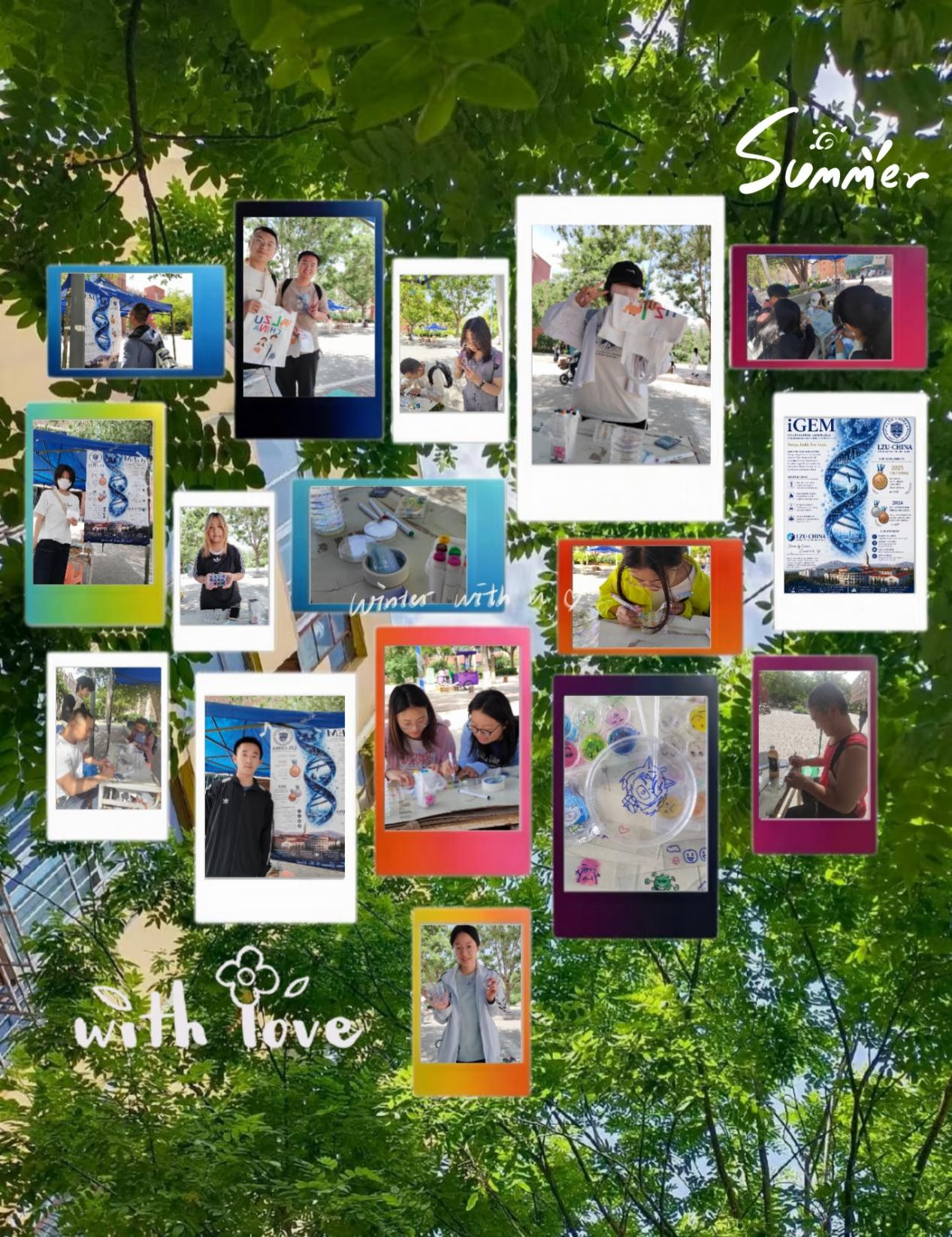
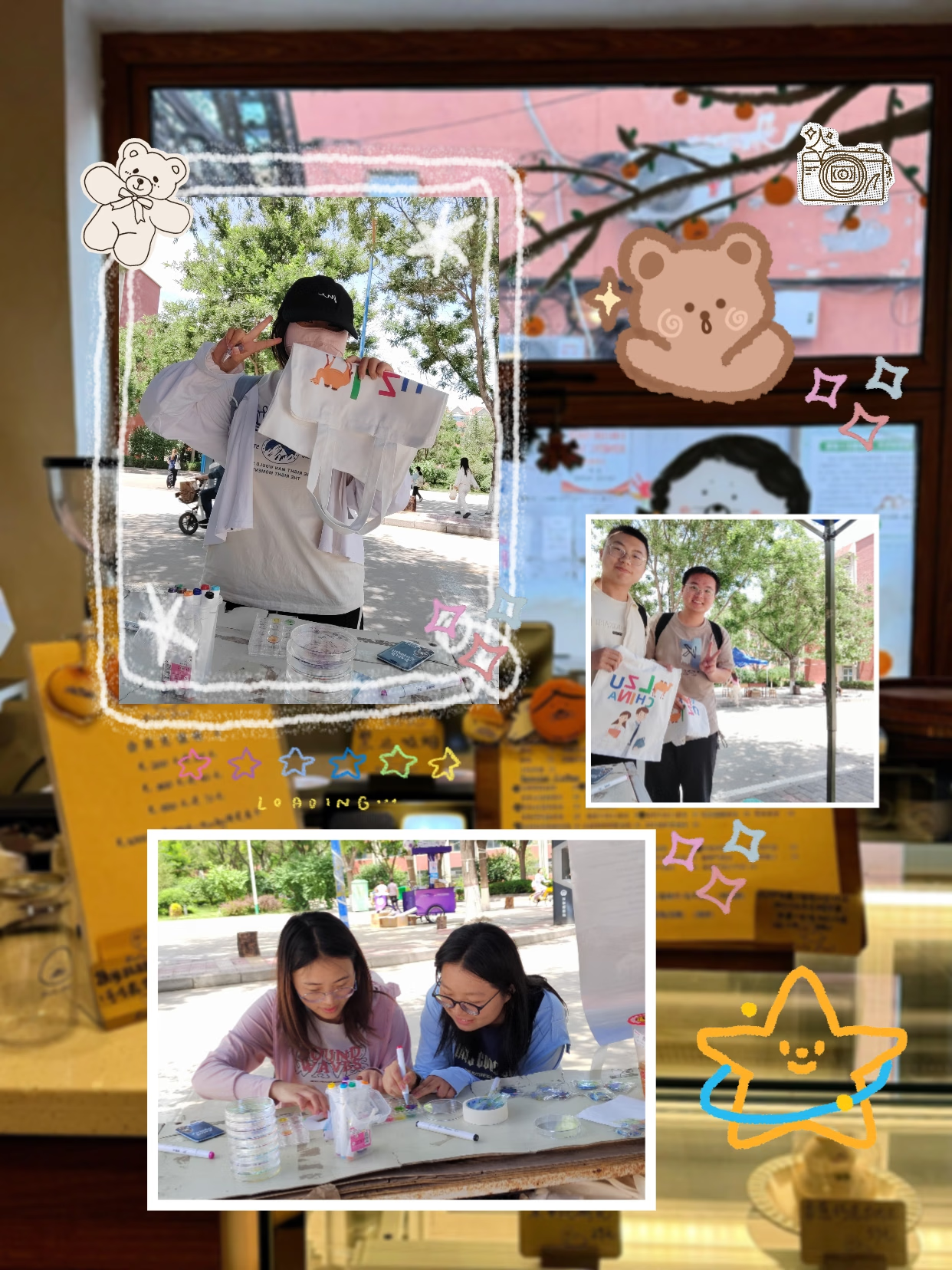
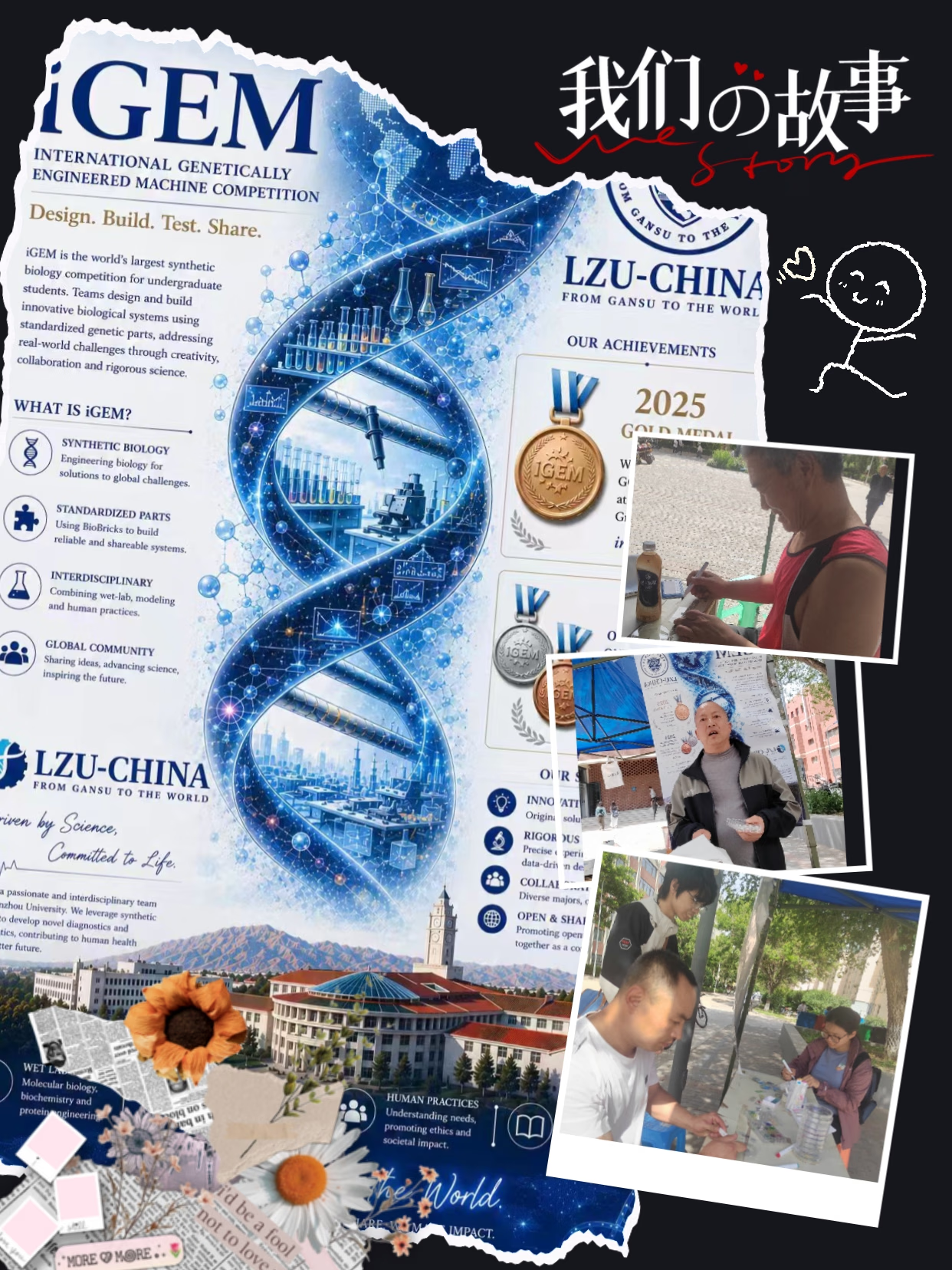
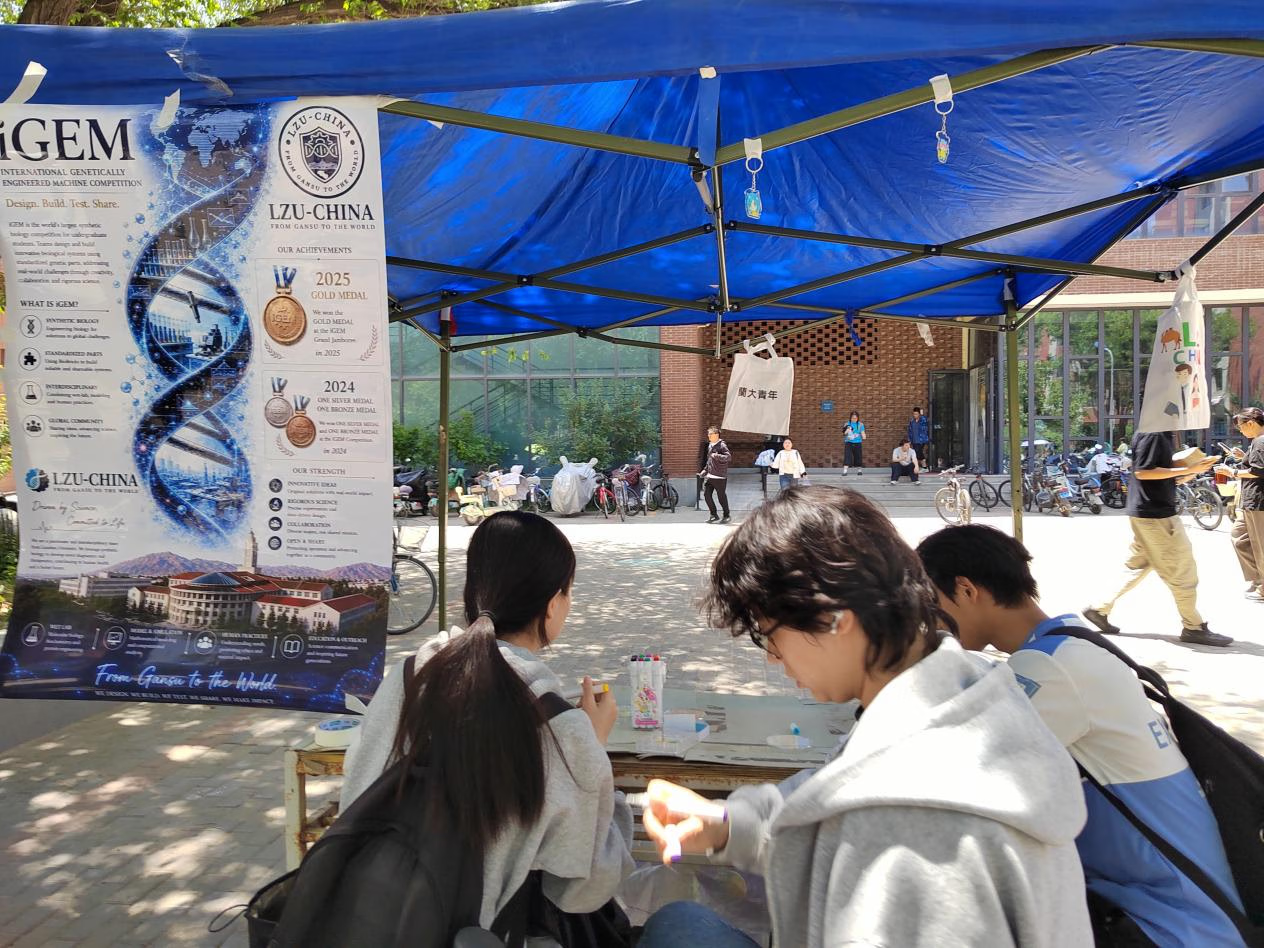
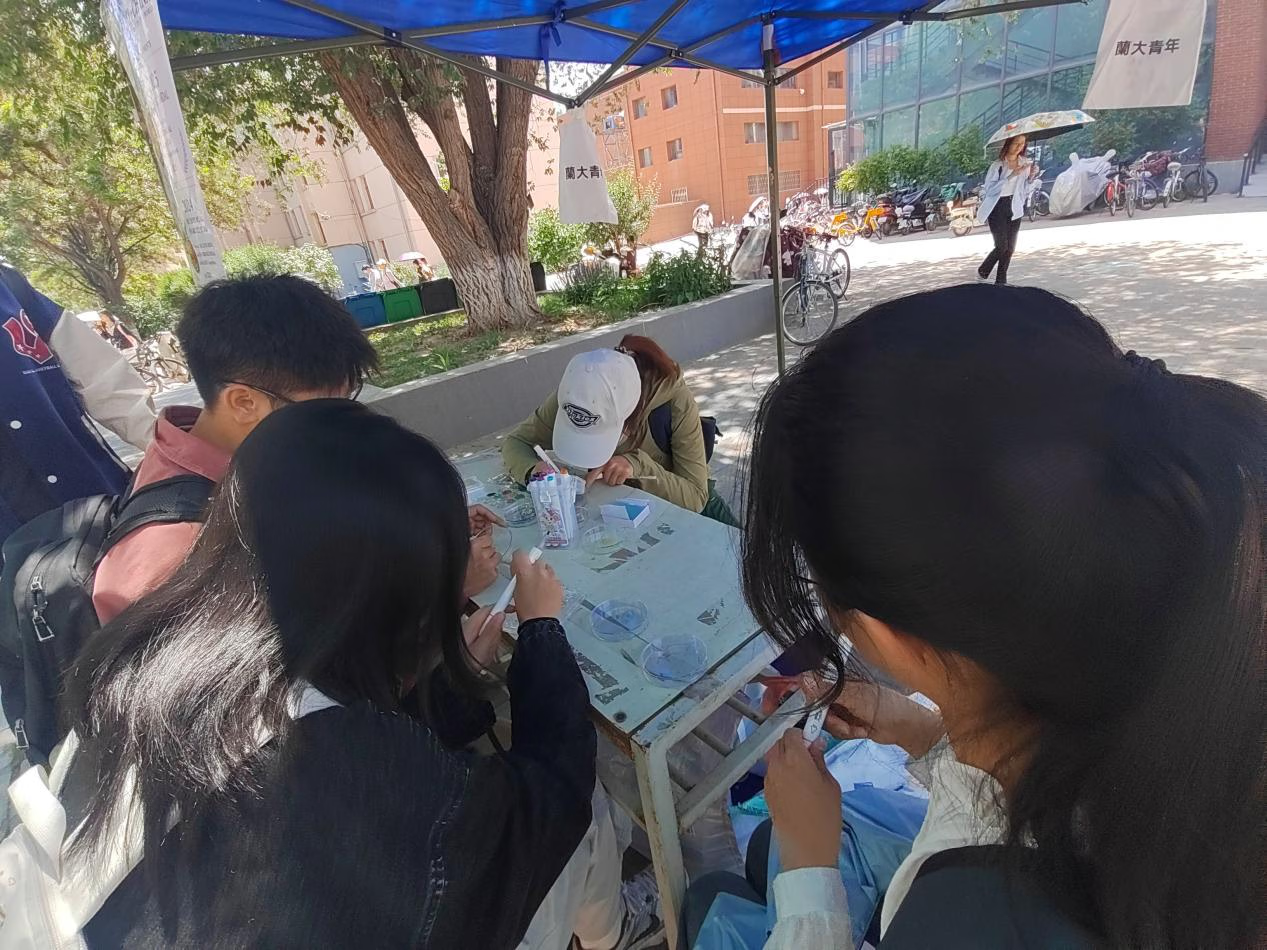
Figure 3.1. Our on-campus synthetic biology activities
3.2 Entering the Community: Letting Children Experience Life Science
Science education should not be limited to universities and laboratories. To make life science more accessible, we collaborated with Jiayuguan Road Subdistrict, Donggang West Road Subdistrict, Baiyin Road Subdistrict, and other communities to organize science outreach activities and laboratory open days for local primary school students.
Considering the learning characteristics of children, we did not simply transfer specialized university-level knowledge into our outreach activities. Instead, we transformed abstract concepts into more intuitive and engaging forms. Starting from basic questions such as “What are bacteria?”, “What is DNA?”, and “How do scientists study cells?”, we guided children into the microbial world and introduced how synthetic biology can use living systems to address real-world problems.
During laboratory open-day activities, team members introduced the laboratory environment and explained the basic principles of PCR, Western blotting, and other molecular biology techniques. Under appropriate laboratory safety conditions, we also guided students through simple experimental procedures, allowing them to move from “listening to science” to “doing science.”
For children, completing an experiment with their own hands can be more intuitive than simply attending a lecture. Through “observation–understanding–practice,” we aimed to lower the cognitive barriers to life science and make complex biological knowledge more concrete and engaging. At the same time, these activities reminded us that science communication needs to be adapted to different age groups. Finding the balance between scientific accuracy and accessibility became an important consideration throughout our outreach.
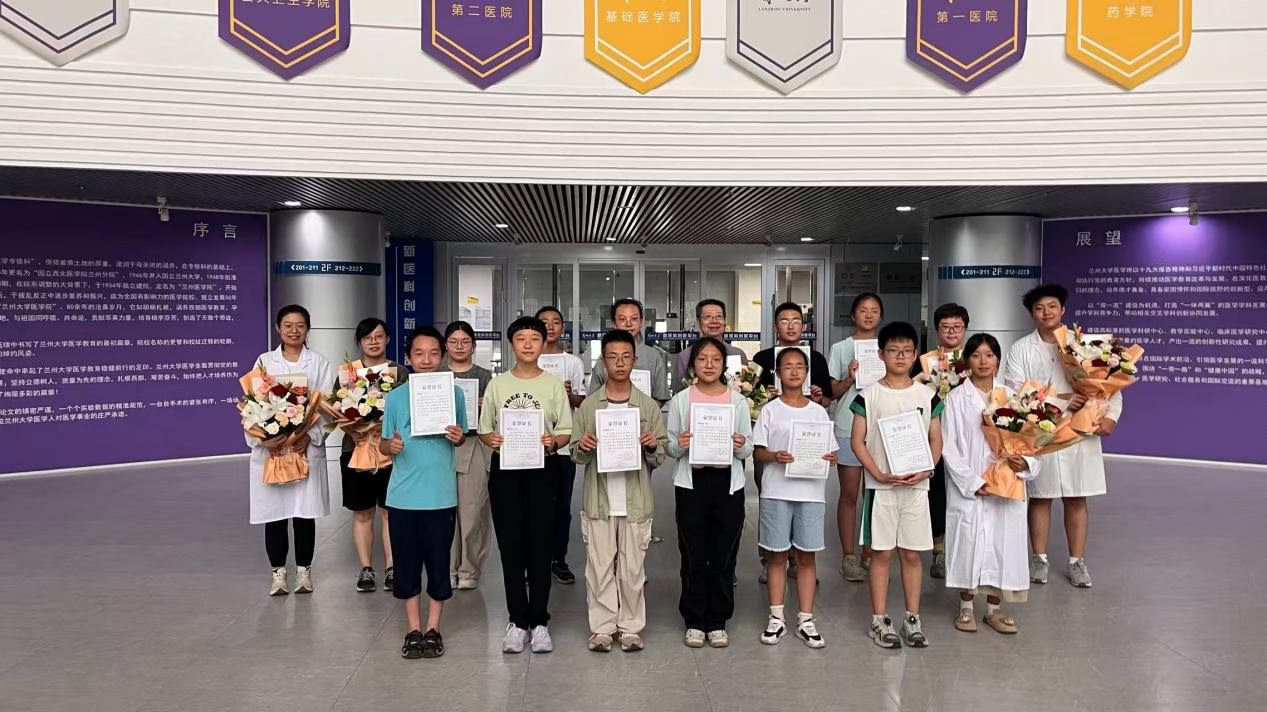
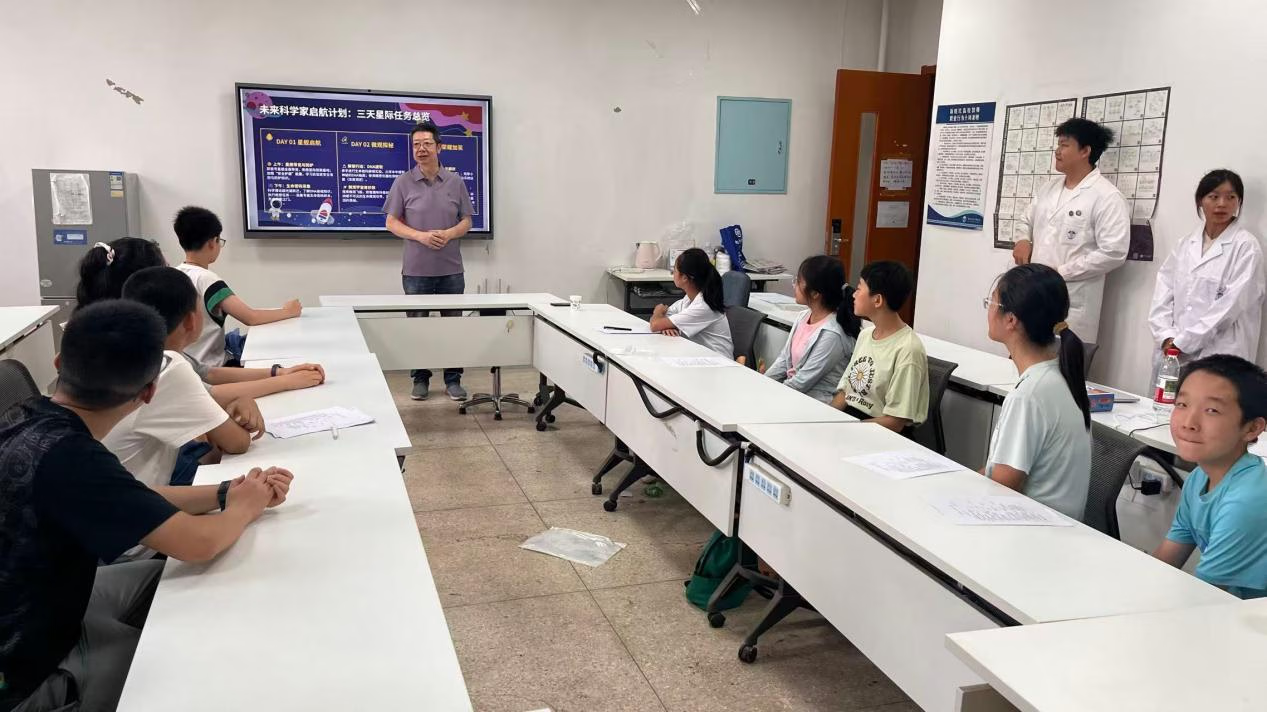
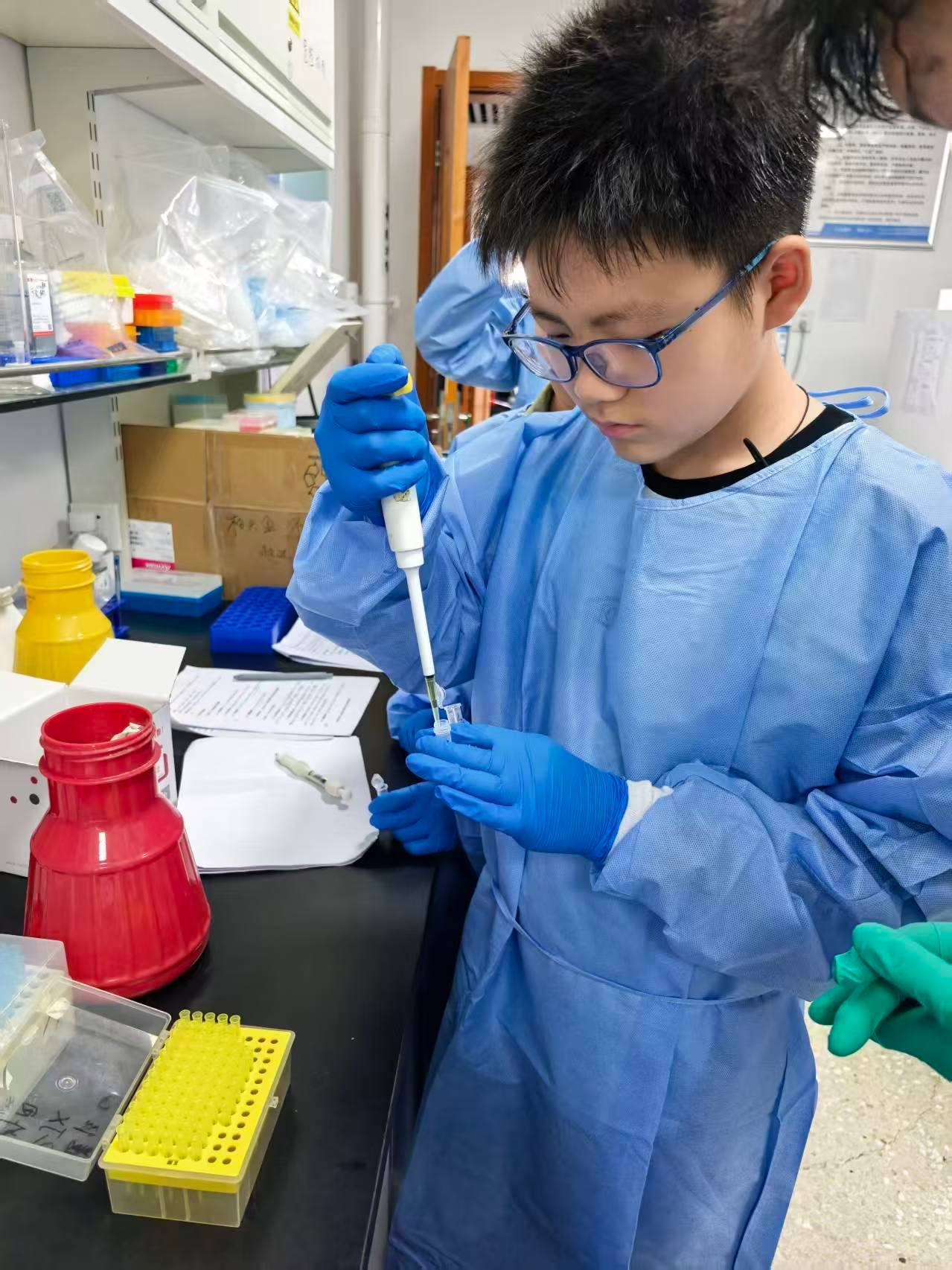
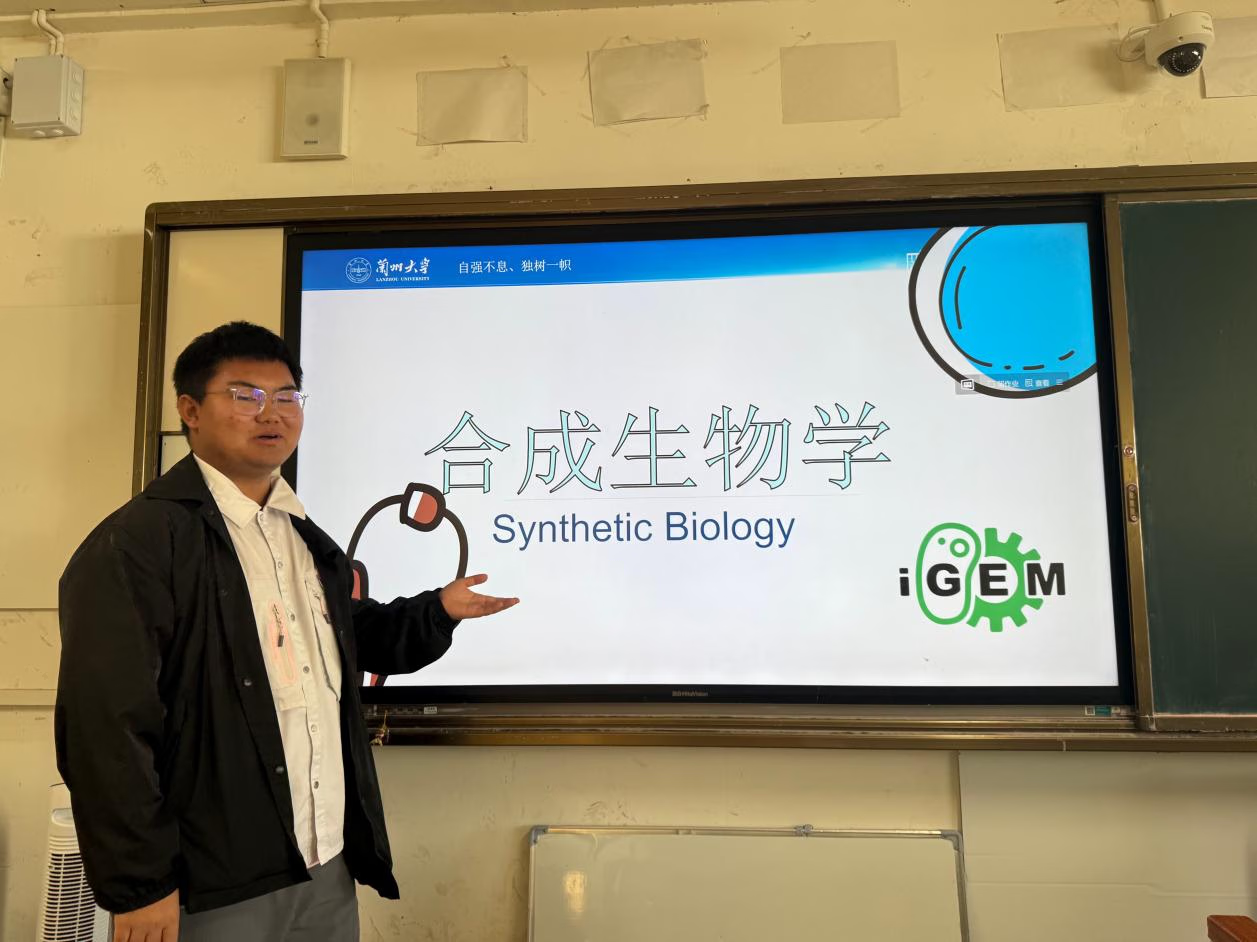
Figure 3.2. Hands-on science activities for children
3.3 Entering the Hospital: Reconsidering Project Design through Clinical Needs
As a team with a medical background, we have always hoped to establish a meaningful connection between our project and real clinical needs. Therefore, we communicated with The First Hospital of Lanzhou University to understand practical challenges in infectious disease diagnosis and treatment from a clinical perspective.
Discussions with healthcare professionals encouraged us to pay greater attention to the time window between the onset of infection and definitive diagnosis. Conventional clinical practice often requires comprehensive assessment of symptoms, laboratory tests, and clinical manifestations, while dynamic changes in the intestinal pathogen environment may occur before obvious symptoms become apparent.
These discussions led us to consider a further question: if engineered bacteria could sense abnormal signals in the intestinal microenvironment and generate a detectable output when pathogenic bacteria begin to proliferate, could this provide a new approach to the early recognition of gastrointestinal infections?
Thus, our clinical communication was not simply a presentation of project outcomes. It became an important part of understanding real medical needs and exploring potential application scenarios. We also became more aware that before engineered bacterial platforms can move toward practical applications, their biological functions must be evaluated alongside detection convenience, therapeutic response, biosafety, and clinical applicability.
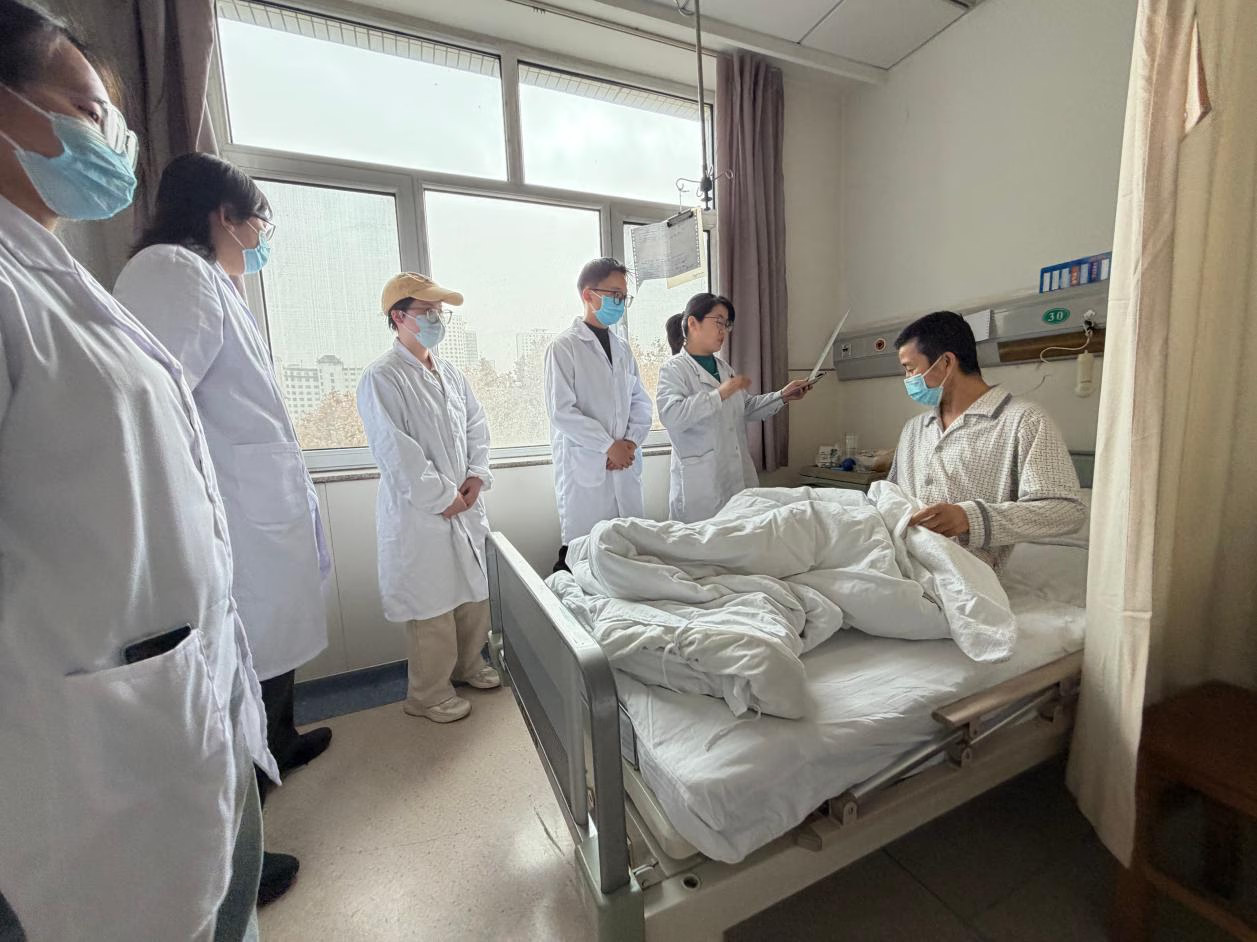
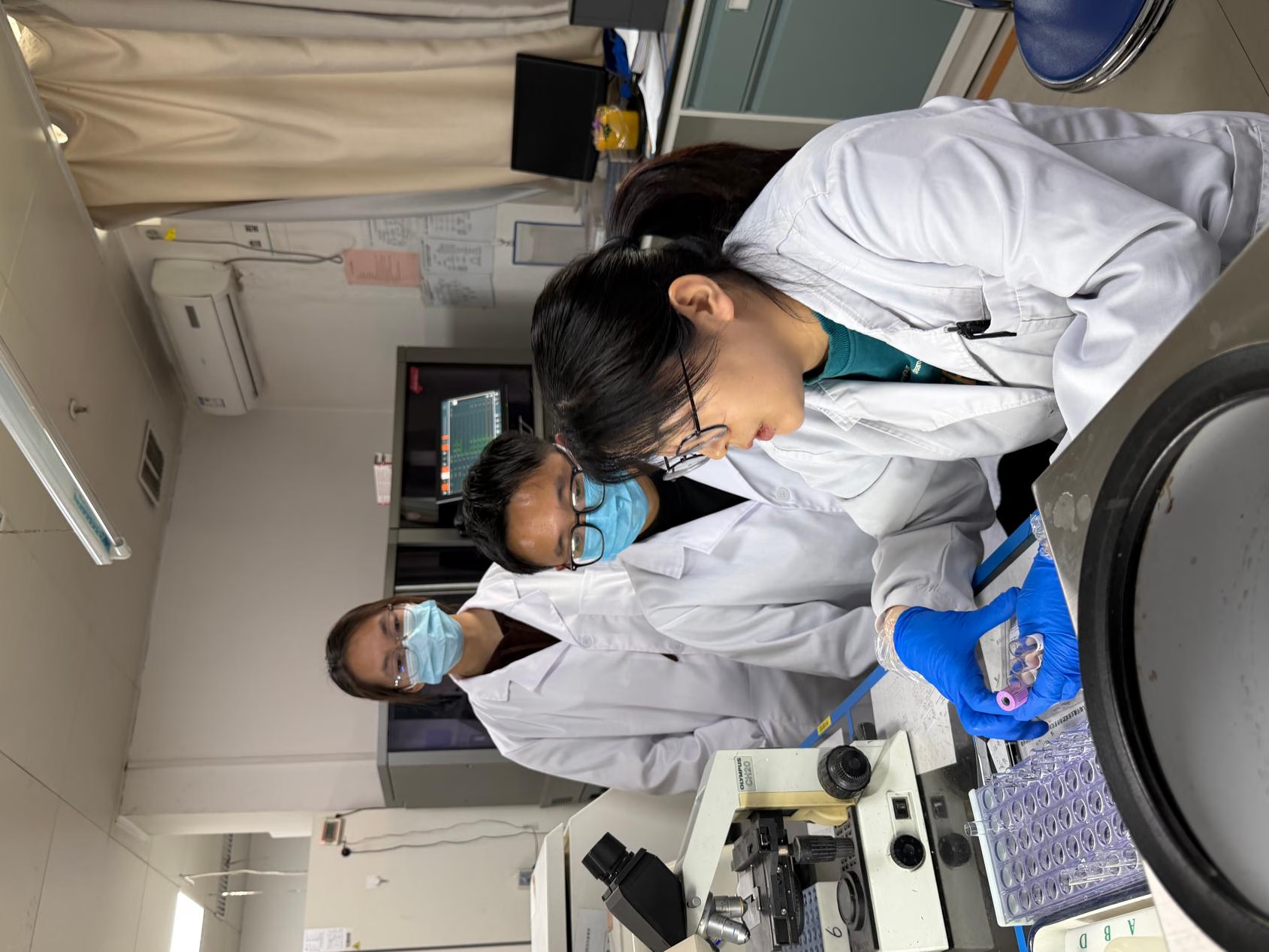
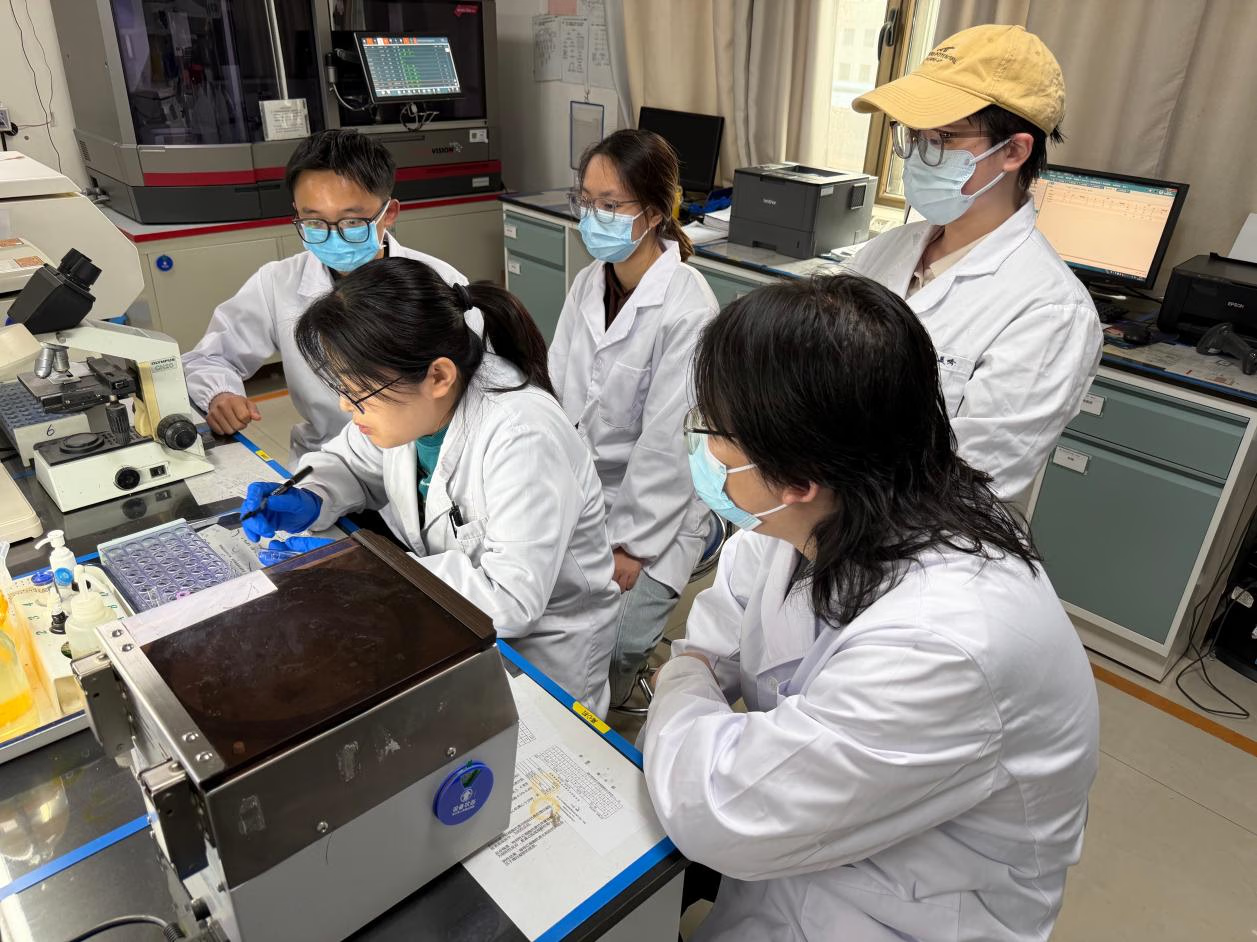
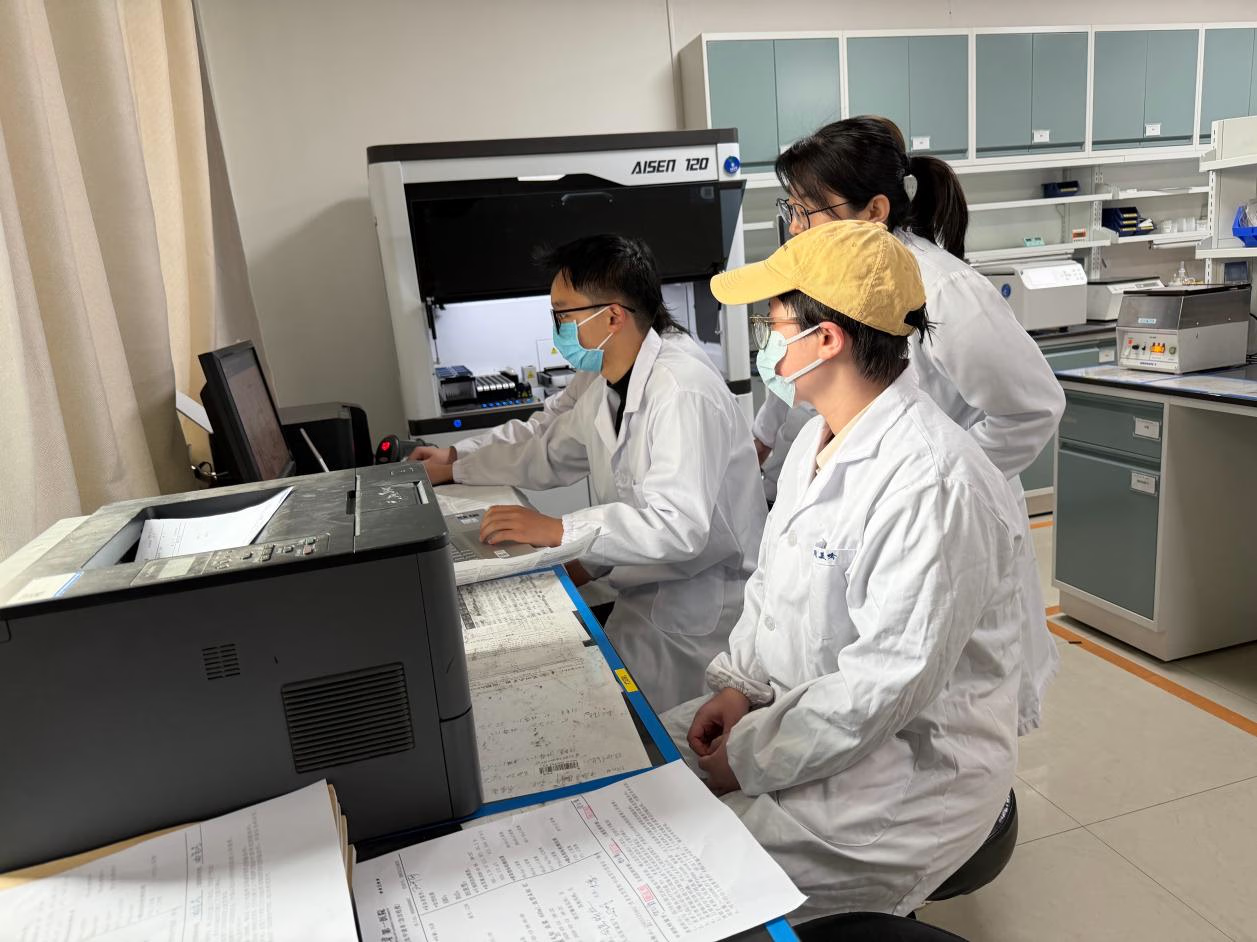
Figure 3.3. Our members participated in clinical investigations
3.4 Entering Disease Control: Understanding Applications from a Public Health Perspective
We also communicated with the Gansu Provincial Center for Disease Control and Prevention to understand the needs of infectious disease management from a public health perspective.
Disease control institutions focus not only on individual diagnosis and treatment, but also on disease surveillance, prevention, early detection, risk identification, and health education. Through these discussions, we realized that infectious disease prevention and control requires a comprehensive public health system covering multiple stages rather than relying solely on individual-level diagnosis and treatment.
This perspective further broadened our understanding of the potential value of our project. Although our engineered bacterial platform is primarily designed for the detection and intervention of gastrointestinal infectious diseases, its core concept—sensing abnormal signals and responding at an appropriate time—also reflects the broader transition from passive treatment toward proactive disease monitoring.
At the same time, communication with public health professionals strengthened our awareness of biosafety, environmental release, and public acceptance. For an engineered microorganism that may enter the human body and interact with the intestinal microbiota, scientific feasibility is only the first step. Future applications must also consider safety evaluation, risk control, and social acceptance.
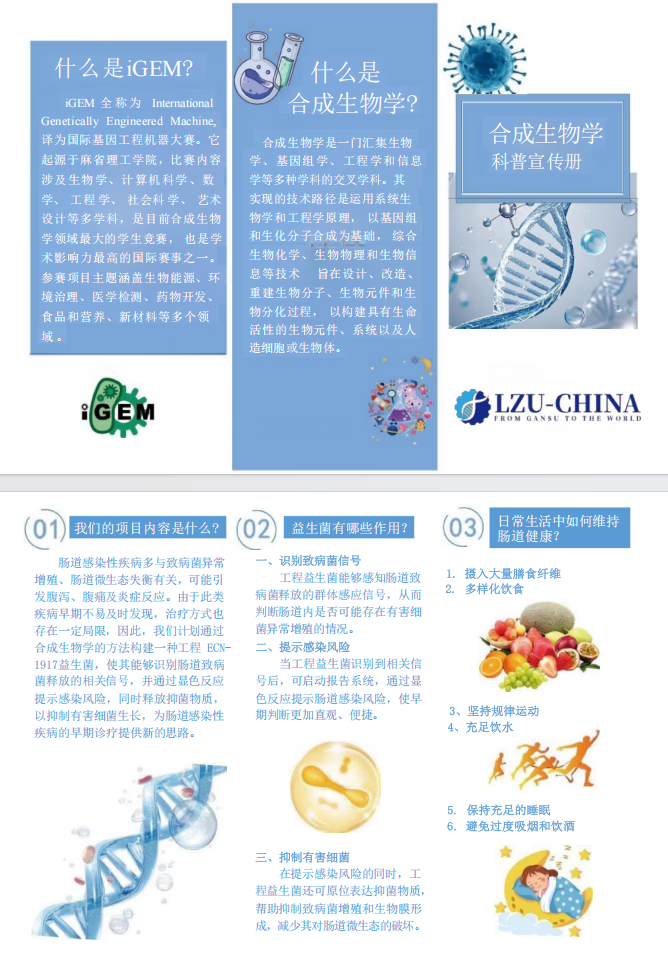
Figure 3.4. Our science outreach leaflets
3.5 Bringing Social Feedback Back to the Laboratory
From university campuses to local communities, from science education for children to clinical and public health discussions, we gradually realized that Community engagement is not simply about “going out and organizing activities.” It is a continuous process of communication, understanding, and reflection.
Questions from university students encouraged us to pay greater attention to public perceptions of engineered bacterial safety. Outreach activities with children made us reconsider how to lower the barriers to understanding life sciences. Clinical perspectives helped us evaluate the potential value of our project from real medical needs, while public health discussions further highlighted the importance of biosafety and population-level considerations.
The voices of these different groups have become important windows through which we understand our project. We hope that through continuous engagement, scientific research can move beyond experimental data in the laboratory, interact with society, identify real needs, and continuously reconsider the boundaries of technological application.
These activities made communication a two-way process: we explained our work, listened to questions and used the feedback to revisit our assumptions.
We want these relationships to continue beyond individual events, so that future research discussions remain connected to the needs of healthcare staff and local communities.
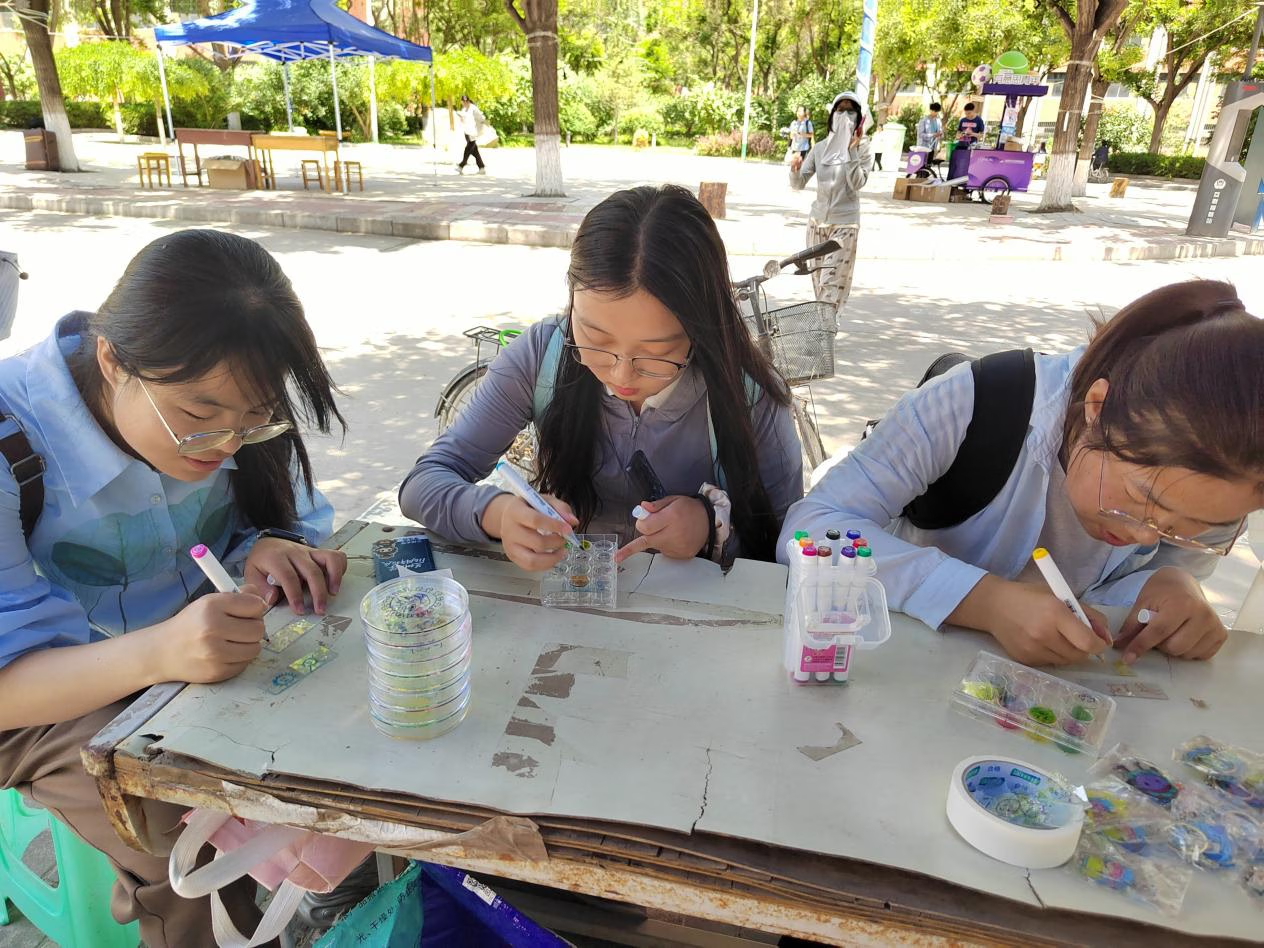
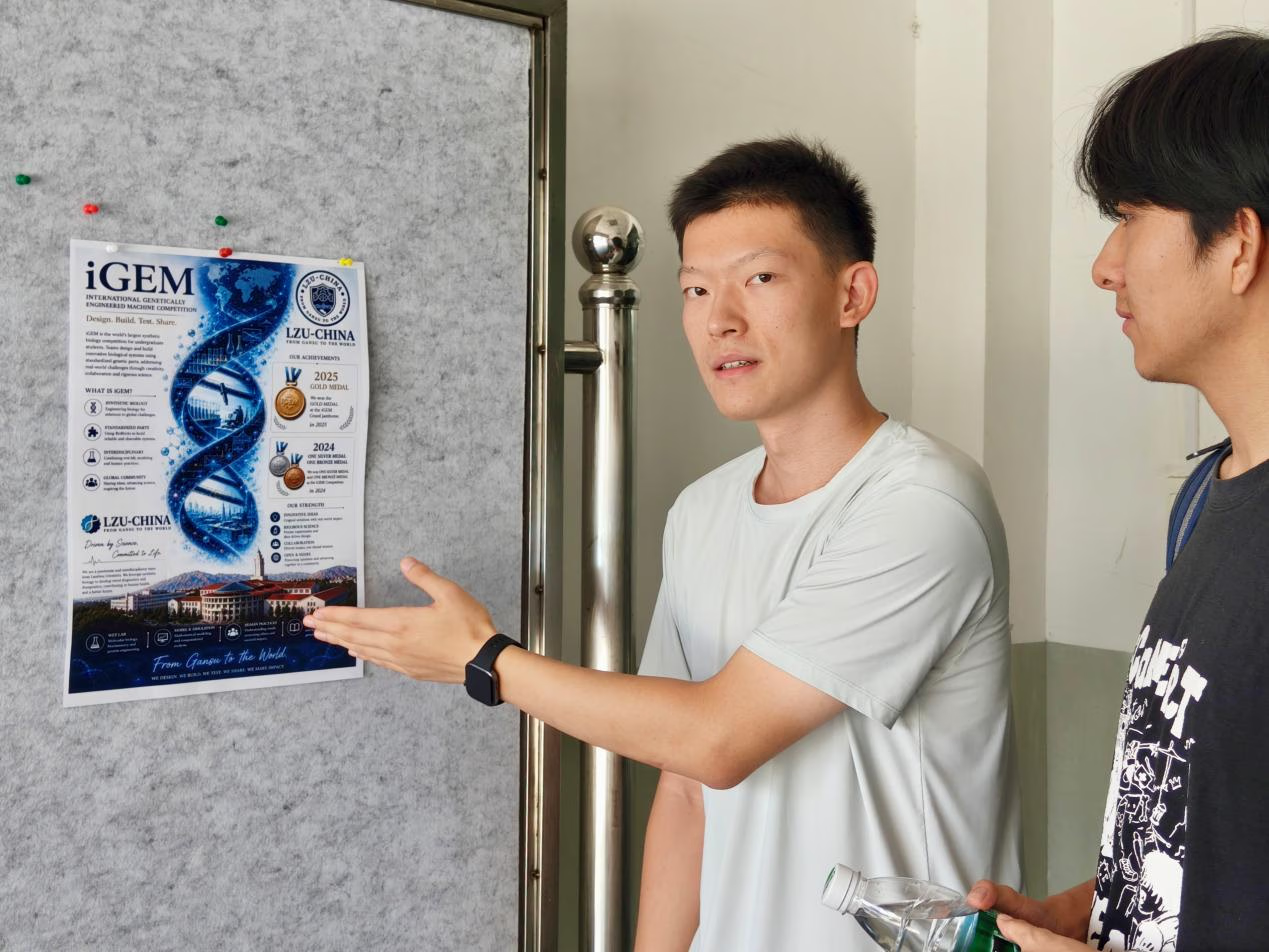
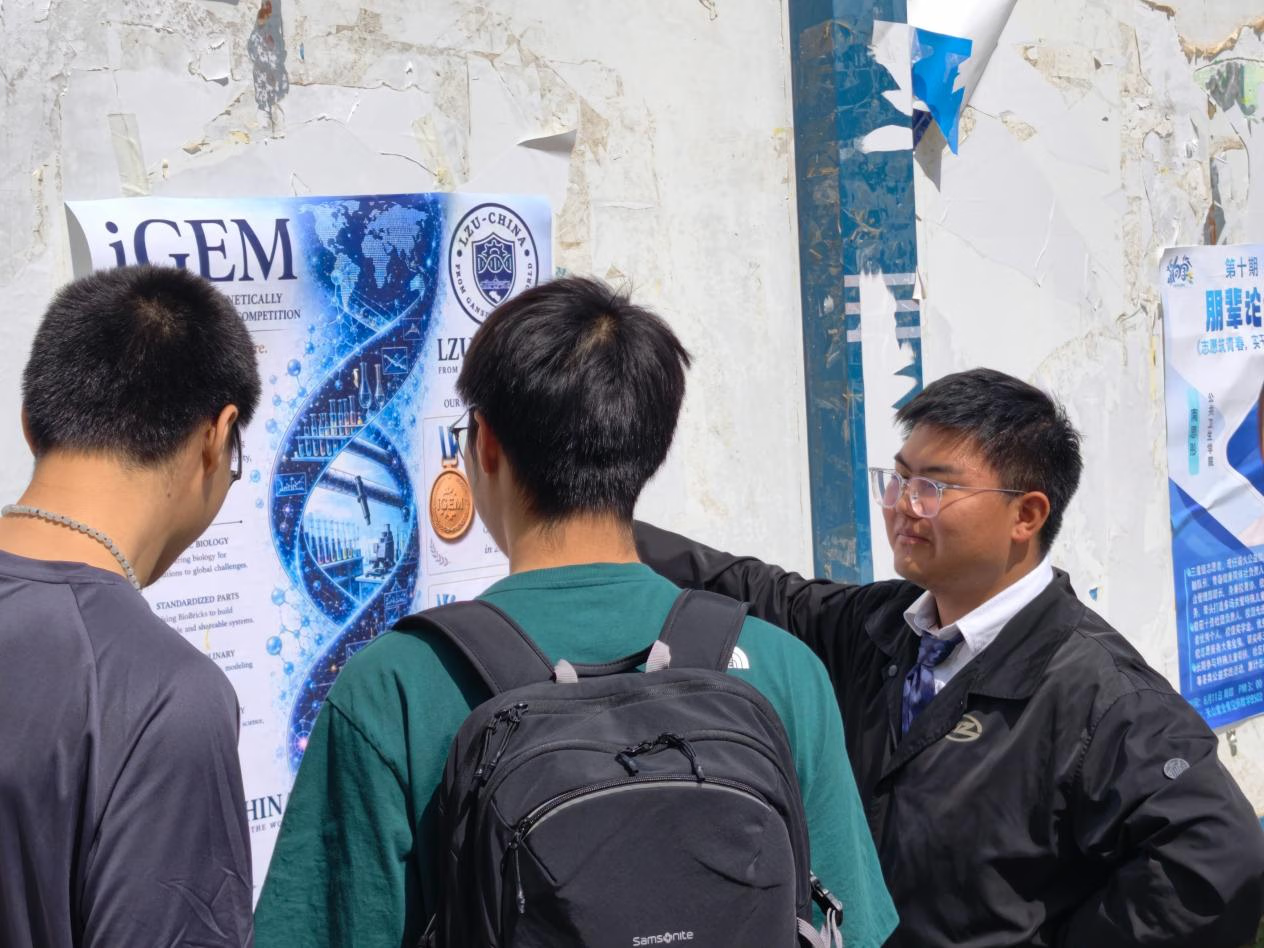
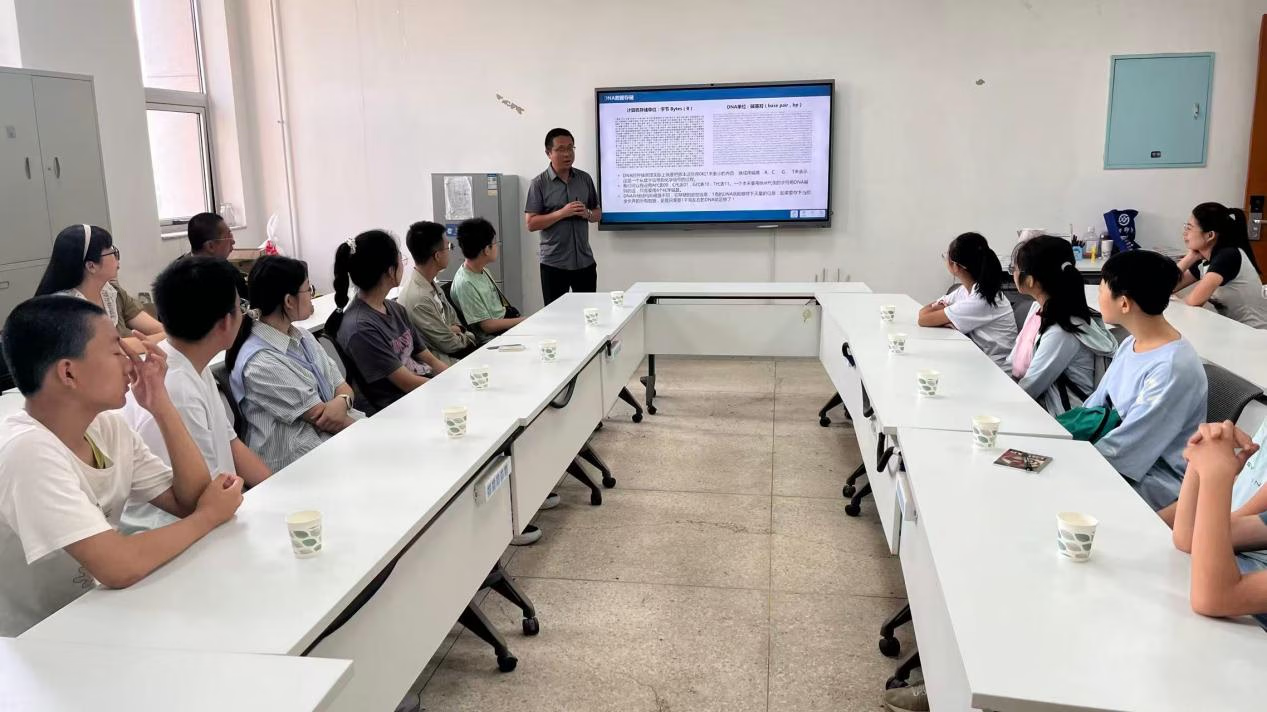
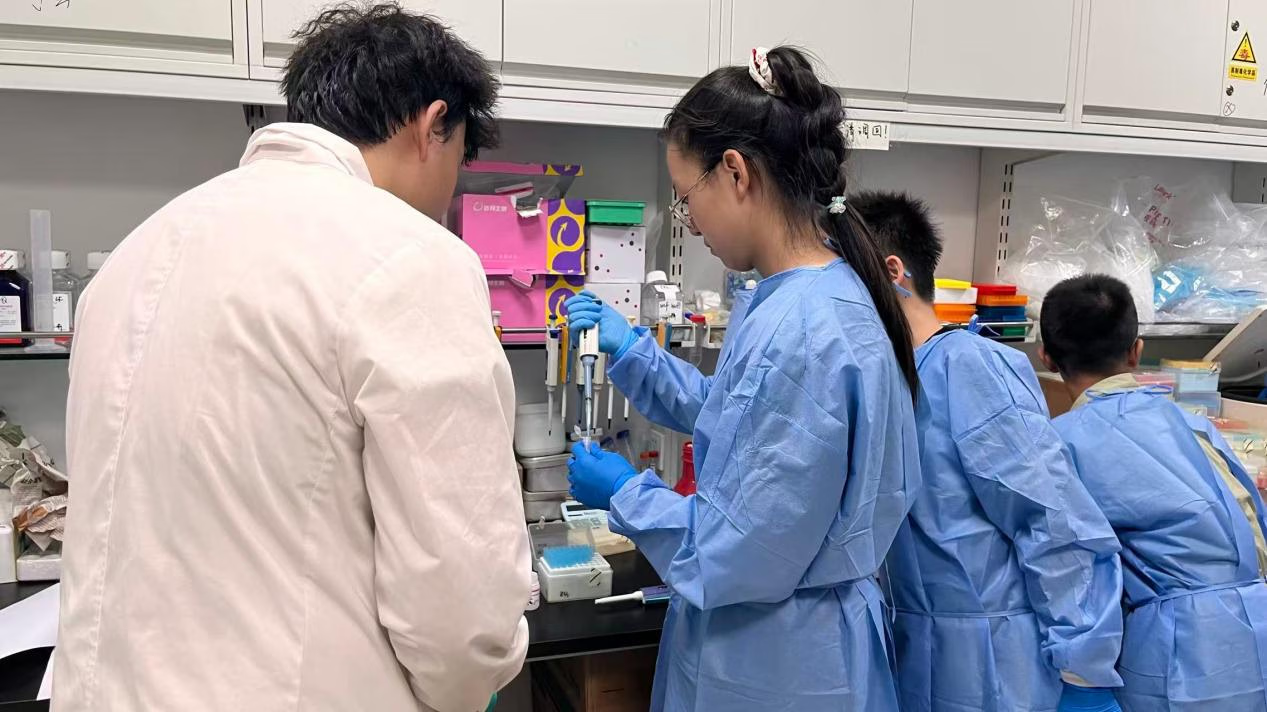
Figure 3.5. Feedback from community activities informed our project discussions.
3.6 Institutional Support from Lanzhou University
Our project was selected as a provincial-level innovation project under the 2026 Gansu Provincial College Students' Innovation Training Program (No. 2026-12, score 76.93/100), following a competitive university-wide review of 119 candidate projects. This selection was administered through Lanzhou University's official innovation and entrepreneurship cultivation system.
This support includes:
Standardized project management covering application, mid-term review, and final acceptance through the university's innovation program portal;
Stable funding support for experimental consumables, strain construction, and prototype validation;
Institutional endorsement that facilitates inter-university collaboration, laboratory resource access, and participation in international student research exchanges.
This institutional backing provides a formal framework for our team to conduct wet-lab research, engage in stakeholder outreach, and pursue real-world translation of our EcN-based diagnostic-therapeutic system.

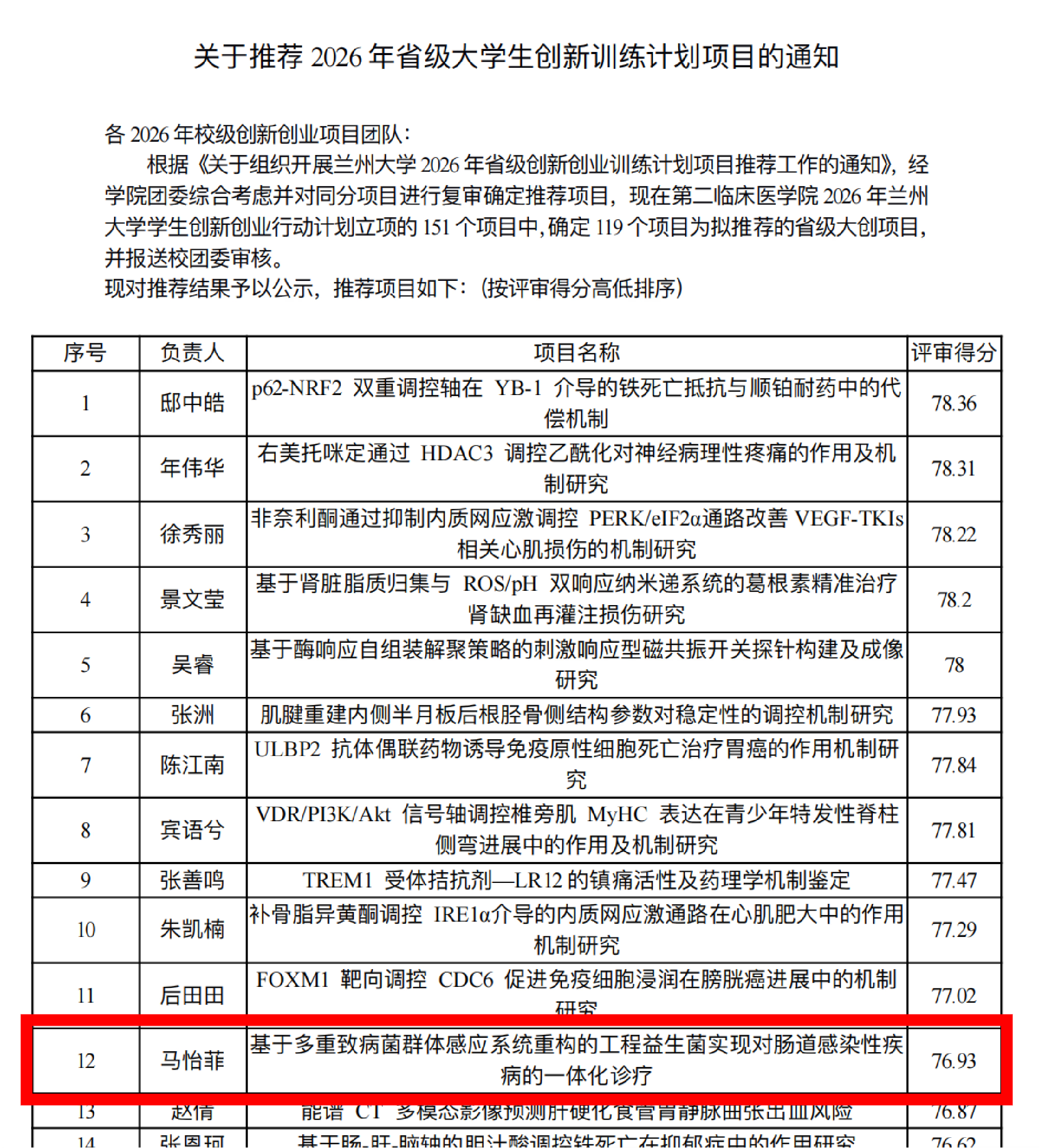
Figure 3.6. Our project was successfully approved as a provincial-level project
4. Conclusion
Collaboration helped us identify questions that our team could not answer alone. University peers contributed scientific perspectives, healthcare partners raised practical constraints, and community participants showed us where our explanations were unclear.
These contributions shaped how we discuss the project and its possible applications. They also reinforced the need to distinguish promising ideas from outcomes that have been demonstrated.
We plan to continue these exchanges and share what we learn with the iDEC community. Our priority is to make discussions useful to both sides by sharing questions, limitations and feedback alongside project ideas.