
Outreach
How the MEYcell team brings synthetic biology to classrooms, events, and the wider public.
Base Pairs Podcast
The Base Pairs podcast is a series created by McMaster SynBio to introduce university students to the diverse careers available in the synthetic biology field. Through conversations with researchers, industry professionals, and entrepreneurs, the podcast provides insight into the work of each guest. Each guest shares the unique academic and professional experiences that helped them enter their career, along with advice for students interested in similar pathways, giving listeners guidance on how they can leverage their opportunities related to synthetic biology.
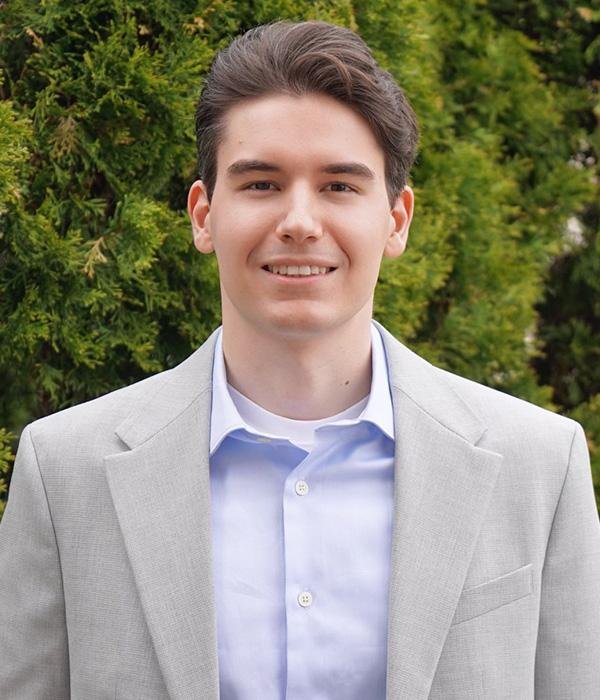
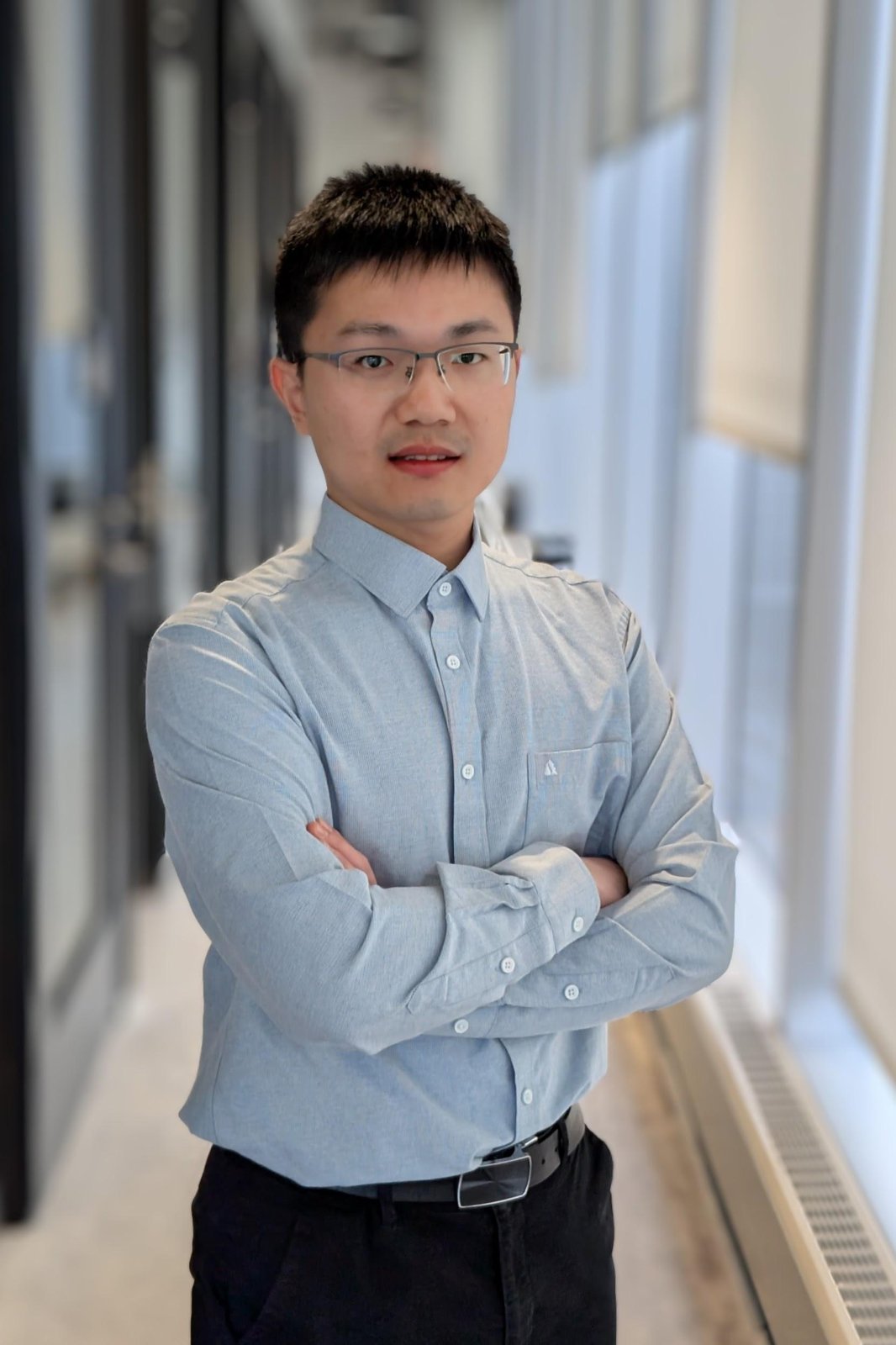
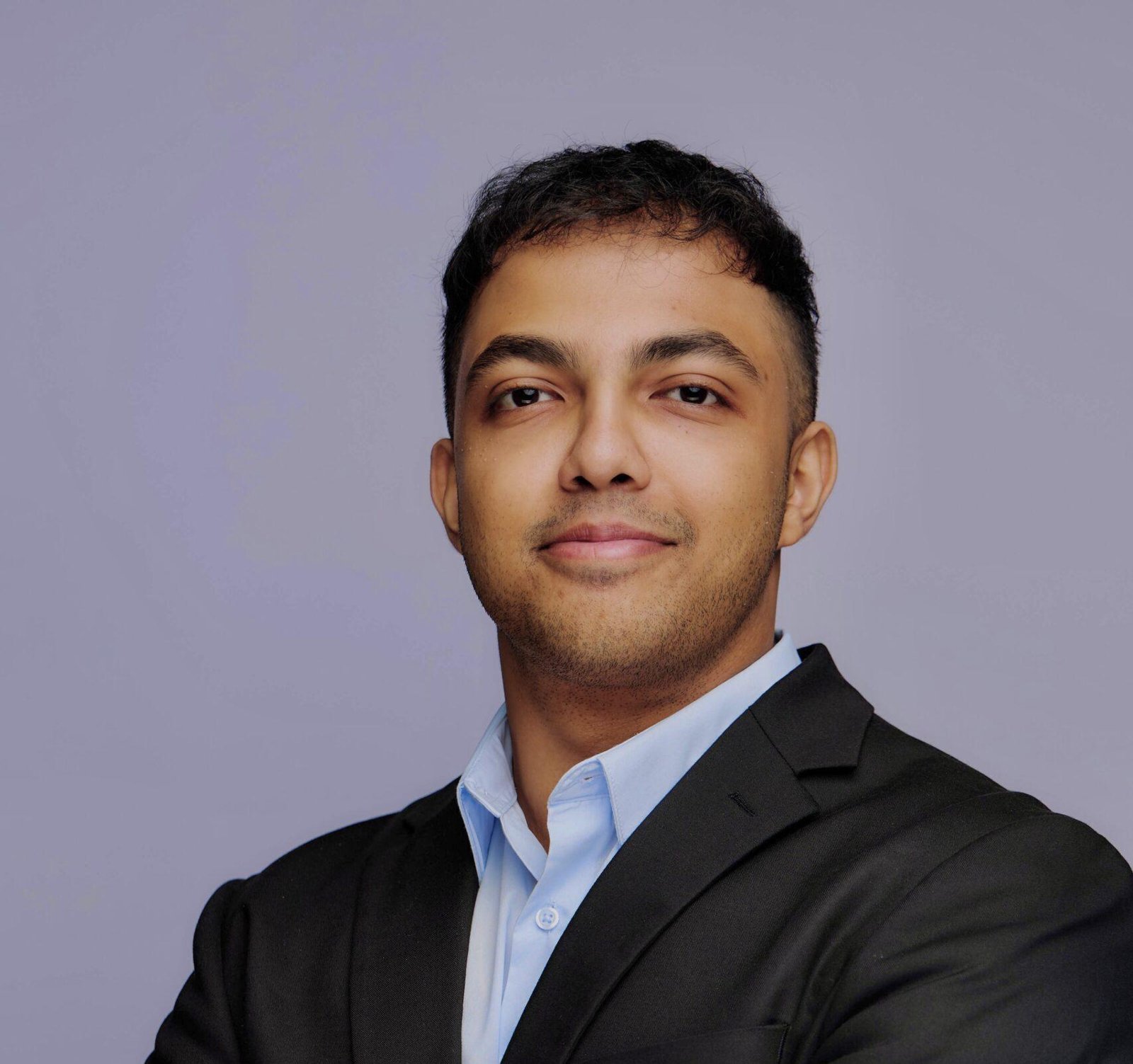
In our first episode, we hosted Dr. Alex Sotra, a PhD candidate at McMaster University and biomedical engineer working on organ-on-a-chip technology at OrganoBiotech. Our second episode featured Dr. Peiran Su, a medical biophysics PhD graduate working in the biotechnology industry on nanoparticle-based delivery platforms. In our third episode, we spoke with Mann Parikh, founder and CEO of NerView Surgical, a medical technology startup developing a non-invasive imaging system to help surgeons visualize nerves during surgery.
Ultimately, Base Pairs aims to give students a firsthand perspective on what a career in the broad field of synthetic biology may look like.
High School Internship
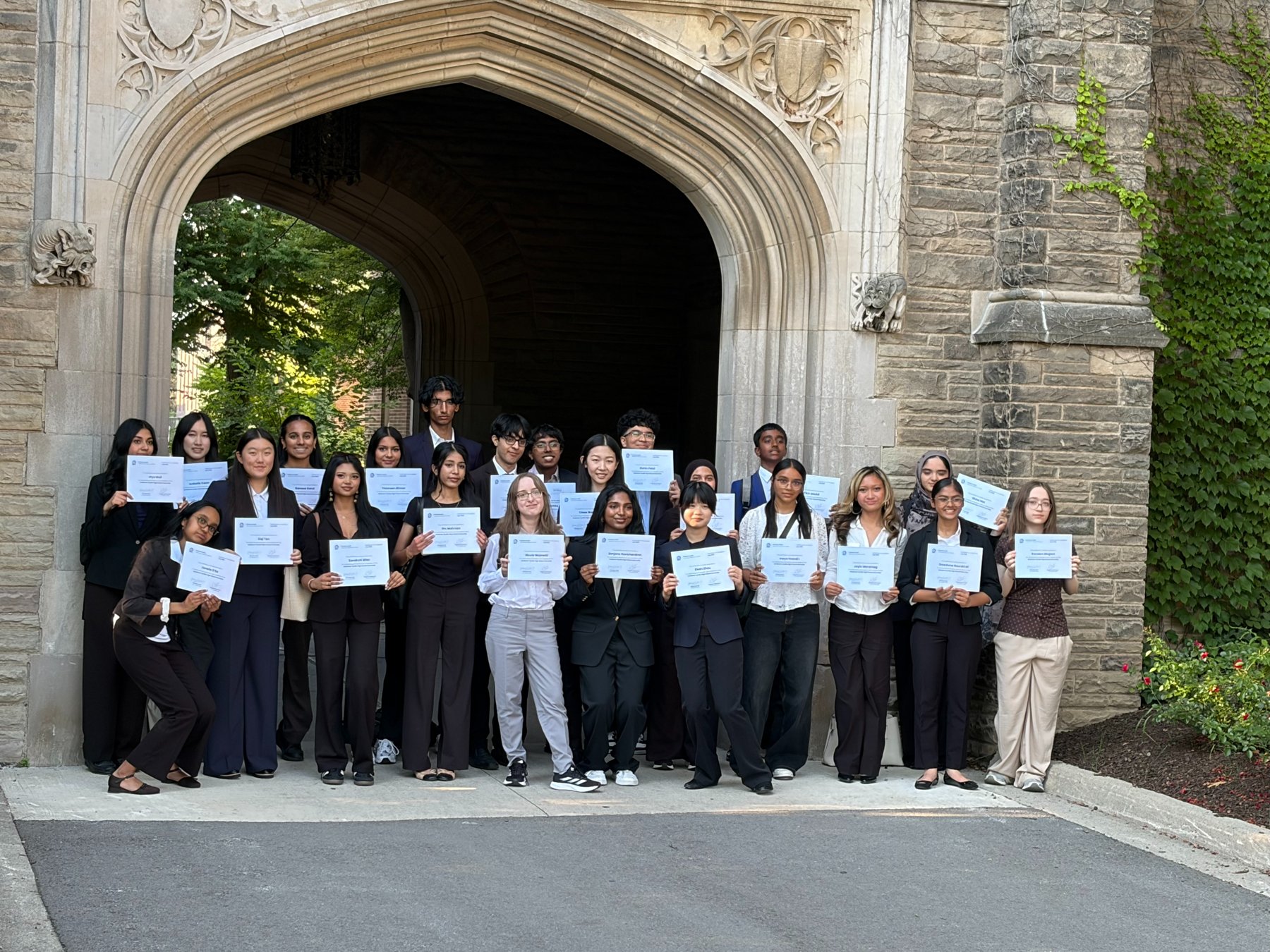
The McMaster SynBio High School Internship (HSI) is an annual internship run by McMaster SynBio. The 2026 High School Internship spanned the month of July and consisted of several workshops, run by members of our own team, focusing on different topics in synthetic biology, research, and science communication skills. Guided by the inquiry-based and problem-based learning principles signature to McMaster University, students were introduced to several real-world issues they could choose to tackle with a synthetic biology solution, and underwent an intensive research process to arrive at a completed research poster and elucidated solution.
The application stage, and science equity and inclusion
The SynBio HSI is open to eligible students entering grades 11 or 12 (ages 16–18). Applications opened in mid-March of 2026, with student outreach ongoing throughout February–April. Applications closed in early May, with online interviews scheduled for mid-May 2026.
This year, the McMaster SynBio HSI hit its record high of student applications: we had 255 applications competing for a little over 25 spots in this internship. 30 applicants passed the initial stage on to the interview stage, of whom 25 were selected for this year's final cohort.
As part of our enduring commitment to science equity and inclusion in our local Hamilton-Wentworth community, and acknowledging the systemic disparities in educational resource allocation between south-western Ontario and affluent, resource-rich neighbourhoods in the Greater Toronto Area, our Outreach team took extensive measures to ensure that south-western Ontario students living in resource-poor areas were adequately represented among the written applications. Systematic measures we took to ensure equitable applicant representation included:
- Emailing, calling, and codifying resource-poor high schools in the city of Hamilton. These schools unfortunately experience some of the highest high school attrition rates in the province of Ontario. We are proud to announce that, compared to last year, Hamilton-Wentworth applicants have climbed 15%.
- Considering student resources, and codifying them as part of our formal evaluation process in selecting students who go on to the interview stage. These measures included holistically considering the resources available to these students in their local neighbourhoods, and how science-rich their educational environments may be, to ensure that equity-deserving applicants pass on to the interview stage.
Welcome Day
This event was the first workshop of the HSI. Annually, the Welcome Day for the SynBio HSI serves several key functions: to introduce students to the world of synthetic biology, to introduce students to their group and their mentors, and to ignite a curiosity for the world of cellular agriculture that McMaster SynBio is diving into this year.
This workshop began with opening remarks of the HSI by our Outreach MC, Liam Serrano. Interns were introduced to the team, our mission, history, and past projects. Following that, interns were introduced to the fundamentals of synthetic biology, genetic engineering, and the problems that synthetic biology can solve.
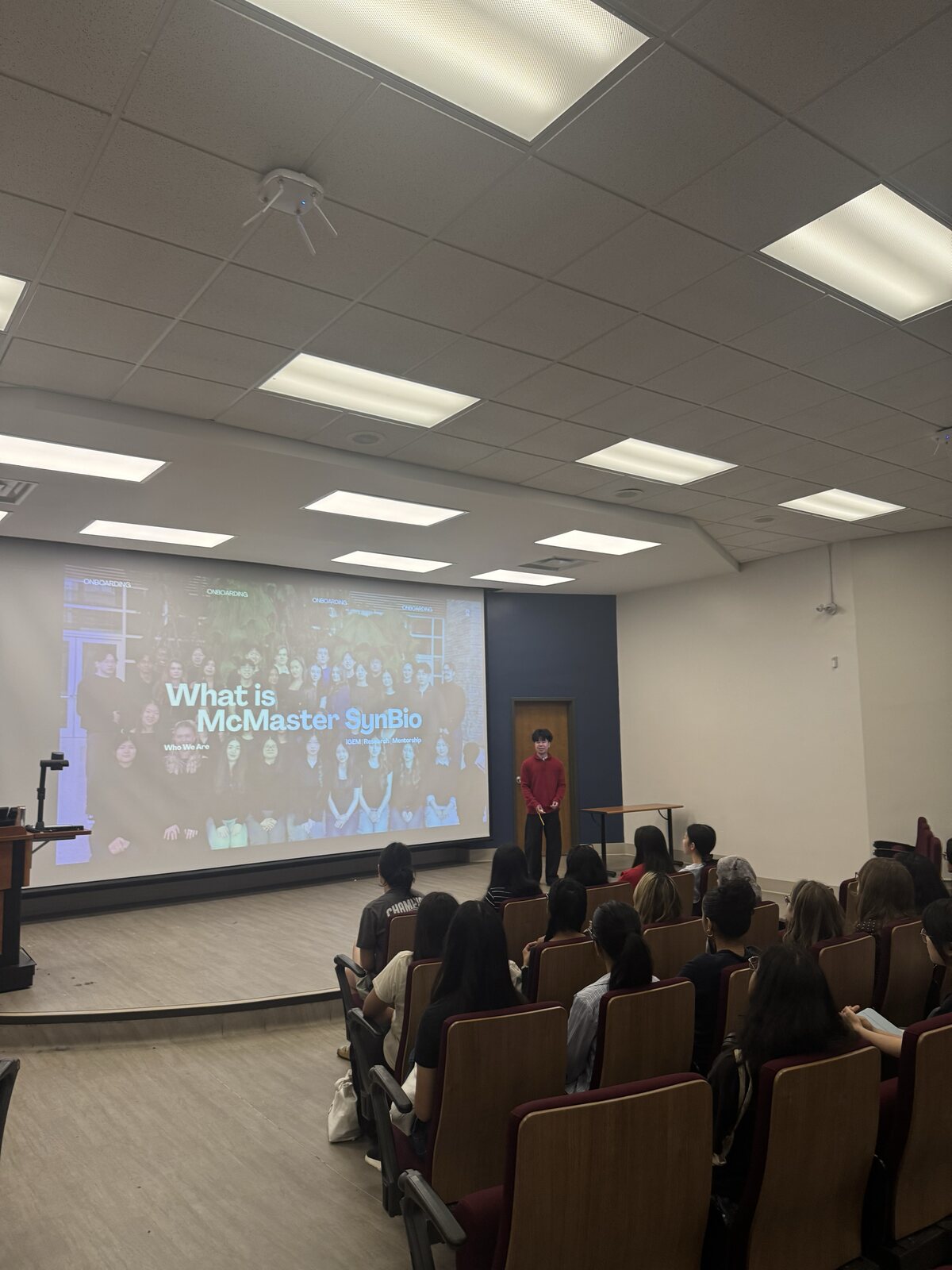
Following group introductions and a formal introduction to the expectations of their project, students were invited to ask questions to Outreach members and members of our greater team. This was a great opportunity for students to ask questions they could not have found answers to outside of a school context, providing invaluable experience and information for them to use. Members of our team spanned many programs: Integrated Biomedical Engineering and Health Sciences, Molecular Biology and Genetics, Biotechnology, Biochemistry, and the Honours Health Sciences Program. Specific categories of inquiry included university application questions, research inquiries, and discussions regarding science equity and opportunities.
The day closed with a presentation by Daniel Sim, a PhD candidate in Materials Engineering, who introduced students to his work in cellular agriculture and the significance of alternative proteins in our evolving, modernising world.
SciComm Workshop
This was a mandatory virtual workshop run by Outreach member and HSI mentor Anthony Zhao. Within this workshop, students were introduced to some of the fundamental components of scientific communication, and communication best practices. Concepts covered included:
- Real-world issues arising from scientific communication issues
- BioRender skills and applications
- Components of a research poster
- Components of graphical abstracts, and their function
- Components of effective verbal scientific communication
In light of the inquiry-based and problem-based learning objectives we aimed to follow throughout the SynBio HSI, students were asked to apply their learned skills through a rapid-fire BioRender challenge. Within this 45-minute activity, students were tasked with designing graphical representations of three prompts ranging from easy and medium to difficult. Prompts spanned topics such as anatomy/physiology, cellular and molecular biology, bioethics, environmental science, and genetic engineering, to ensure students got exposure to BioRender being applied in various contexts.
Through this workshop, students met three objectives: understand the role of science communication in an increasingly information-based world, attain skills to apply BioRender to novel contexts, and understand the objectives and aims for the Symposium Day presentation.
Week 2: Dry Lab
Introduction to Gene Circuits Workshop
This workshop introduced students to the fundamental concepts of synthetic biology and the principles behind the design and construction of genetic circuits. Students were first introduced to several key components commonly found in genetic constructs, including promoters, ribosome binding sites (RBS), coding sequences (CDS), and terminators. Students were also introduced to BioBricks and explored logic gates and Boolean systems. Finally, the workshop touched on the real-world applications of gene circuits, including medicine, agriculture, and environmental biotechnology.
Introduction to PyMOL and Protein Data Bank (PDB) Workshop
The PyMOL and Protein Data Bank (PDB) workshop introduced students to foundational skills in protein visualization and structural biology through hands-on exploration of the software and database, respectively. Students first explored the PDB, where they could browse and filter entries and learn briefly about structural information. Students also completed a PDB scavenger hunt to locate and interpret information within protein structures.
Afterwards, students were introduced to PyMOL, where they got the opportunity to manipulate and visualize proteins from different perspectives. They also explored protein mutations by altering individual amino acids and examining how these changes affected protein structure, connecting sequence variation to potential changes in protein properties and function. Finally, the workshop ended with students investigating a protein of their interest in PyMOL.
Week 3: Wet Lab
The Wet Lab Week is a highly anticipated component of the HSI for many students. This week focuses on the practical wet-lab skills necessary for success in a research environment. During this week, students are trained in biosafety, the foundational theory behind laboratory techniques, and applications of these techniques.
To respect biological safety, the wet lab workshop was hosted entirely outside of an active laboratory space; students were not working with any live specimens, nor were they in contact with any biosafety hazards for the duration of their workshop.
Serial Dilutions, Microscopes, and a Virtual Lab Tour
In this workshop, students were introduced to the concept of serial dilutions, their applications, and the theoretical calculations associated with conducting serial dilutions in the laboratory. Several contexts in which serial dilution can be applied were explored, including microbiology, pharmacology, reaction chemistry, and industrial design. Calculations covered in this workshop included dilution factor calculations, dilution calculations, and a review of scientific notation and SI units.
Students were invited to practice food colouring serial dilutions, in which a concentrated stock solution of food colouring was diluted to a magnitude of 10⁻²⁰. Students were also instructed in proper pipetting technique, using a Pasteur pipette to transfer each solution into the next cup as described in the procedure.
Following the serial dilution workshop, students learned how to use a manual microscope. Students were instructed in the components of a microscope as well as the magnification calculations associated with microscopy. Students then did a cheek swab and visualized cheek cells, as well as fruit and vegetable cells, under the microscope. Students were also taught proper biological sketching in the context of laboratory observations.
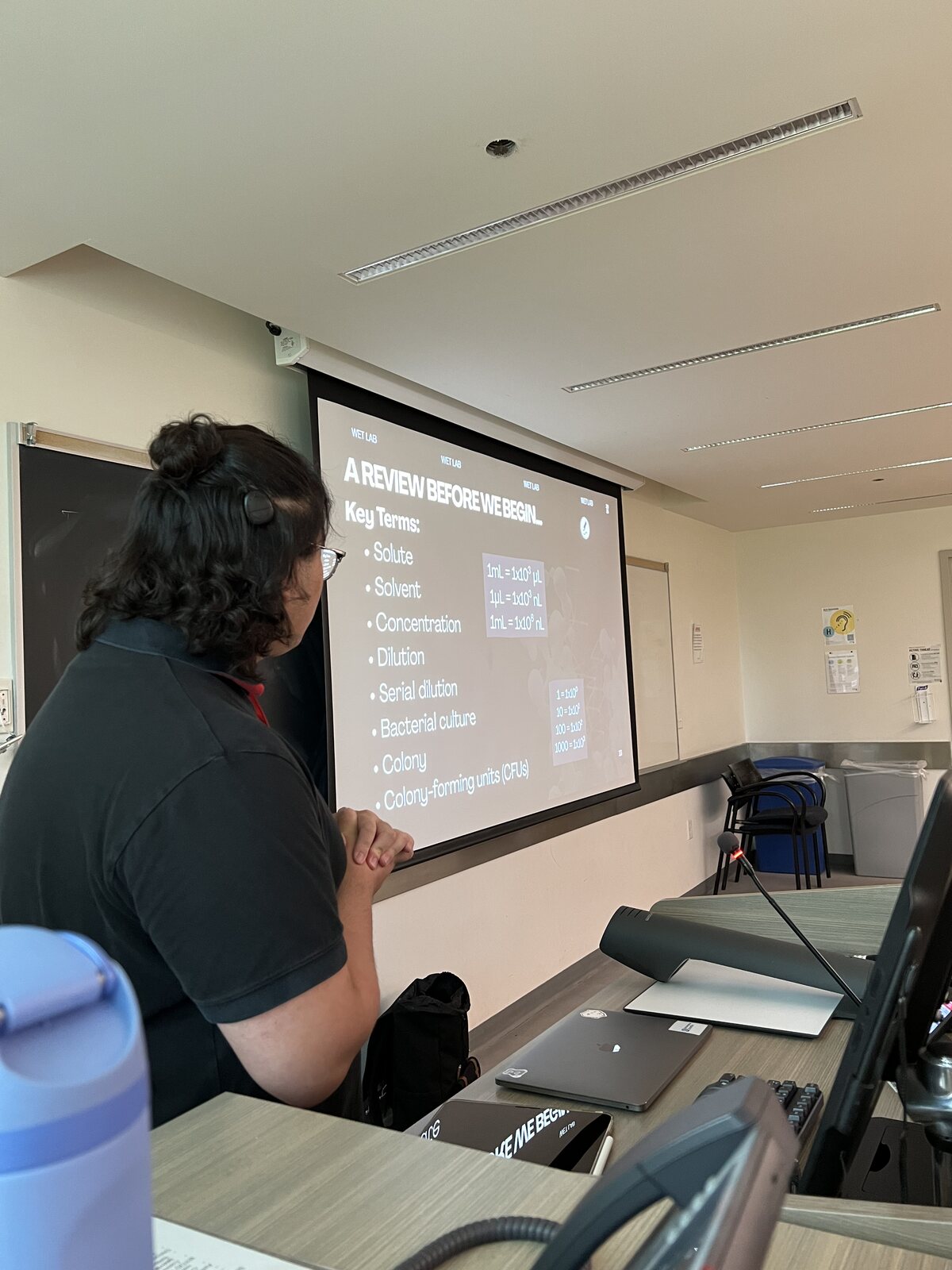
In addition, students joined our wet lab lead Rachel Ou, as well as junior member Anvi Babbar, in the lab. Over a Zoom call, students were able to observe the laboratory equipment McMaster SynBio uses and its CL1 and CL2 laboratory spaces at the Biointerfaces Institute in ETB at McMaster University. Students also had the opportunity to ask questions about research experiences open to high school students, as well as about the procedures and workflow of this year's project.
Overall, students achieved the three main objectives of this workshop: first, to understand several biological techniques used in the wet lab to support research; second, to understand the theoretical components and background of these biological techniques; and finally, to gain an appreciation for the intricacy and precision of laboratory biological work.
Food Colouring Gel Electrophoresis Workshop
This workshop introduced students to the principles and applications of gel electrophoresis through a hands-on experiment using accessible and biosafe materials, including food colouring, corn syrup, agar powder, and baking soda. Students first learned about the science behind gel electrophoresis and its real-world applications in biotechnology and forensic science.
Students were guided through each stage of the gel electrophoresis process using detailed protocols. This included preparing and casting the gel, and preparing the food colouring dye samples. Students were instructed on how to safely load their samples into the wells of the gel and run the gel using 9 V batteries.
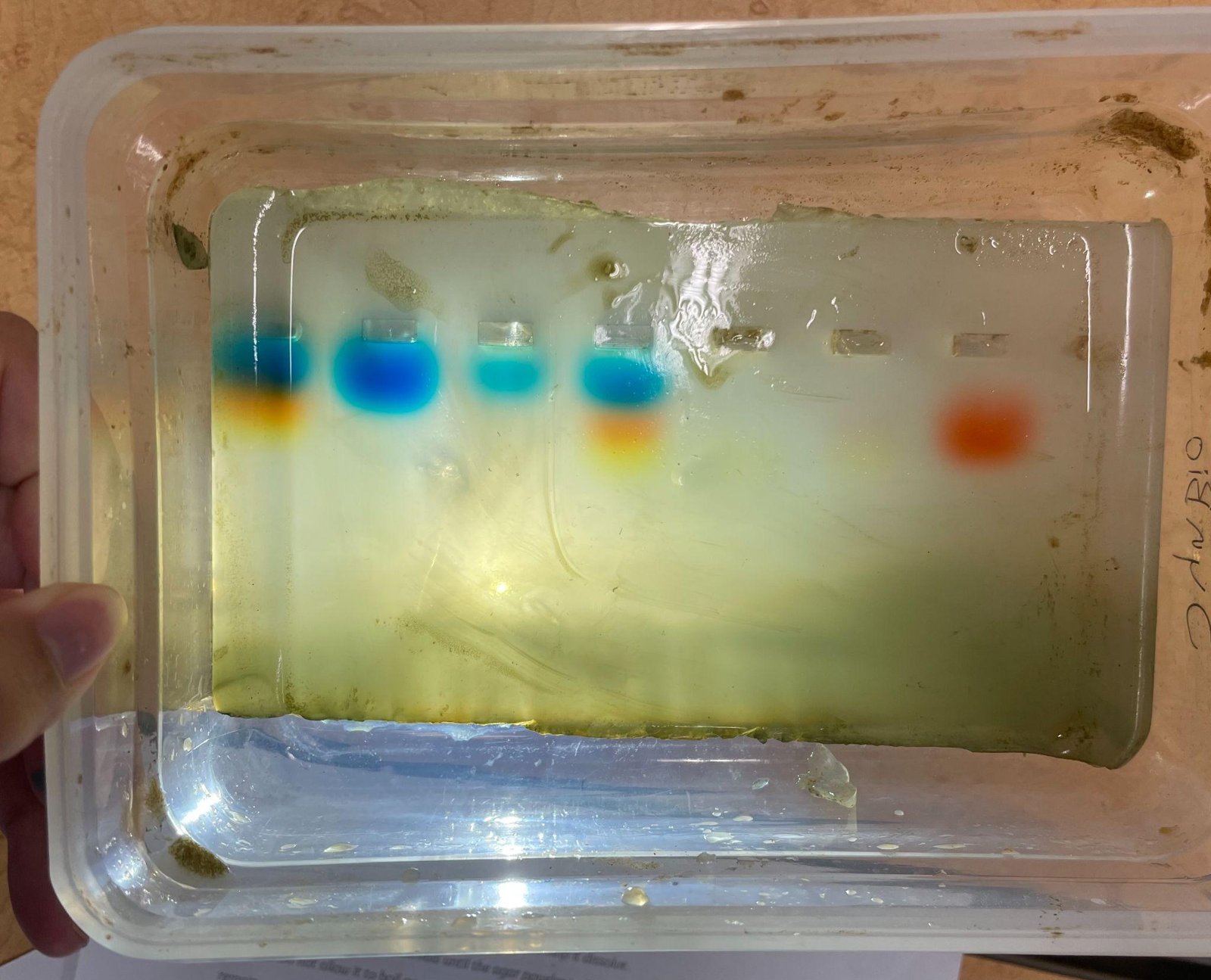
While the gel was running, students were also introduced to micropipettes and had the opportunity to practice proper pipetting techniques using water. At the end of the workshop, students were able to visualize their samples and how far they migrated through the gel.
Overall, the workshop provided students with both theoretical and practical exposure to gel electrophoresis and micropipetting. Students developed foundational laboratory skills while reinforcing the importance of accuracy, safety, and precision in laboratory work.
Symposium Day
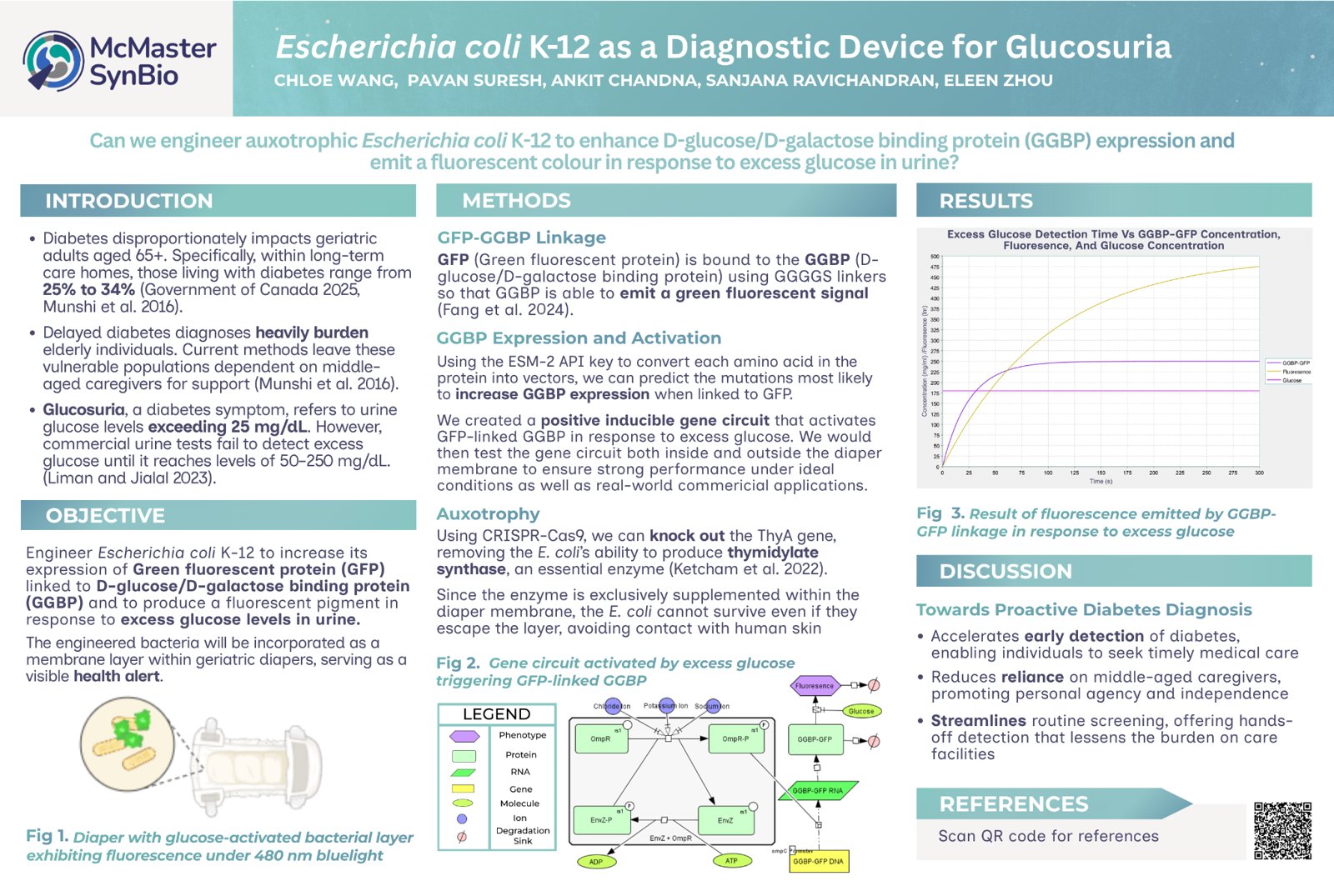
The culmination of the weeks of work in the internship took the form of a final research poster. Each week, students were assigned homework that corresponded to a different part of their research poster (introduction, materials and methods, results and discussion, conclusion). This approach allowed students to develop their ideas in accordance with what was taught that week while incorporating active feedback from their mentors.
On the day of the symposium, students presented their posters to their peers and a panel of judges to showcase their research. During the symposium, keynote speaker Dr. Krupa Patel discussed the transition into university life, emphasizing the importance of remaining curious and open to new opportunities. Nikoo Mansourian also shared her journey to becoming an iGEM Ambassador and provided insight into her experiences with the iGEM conference. Their talks offered students valuable perspectives on the opportunities available to them as they continue their academic and scientific pathways.
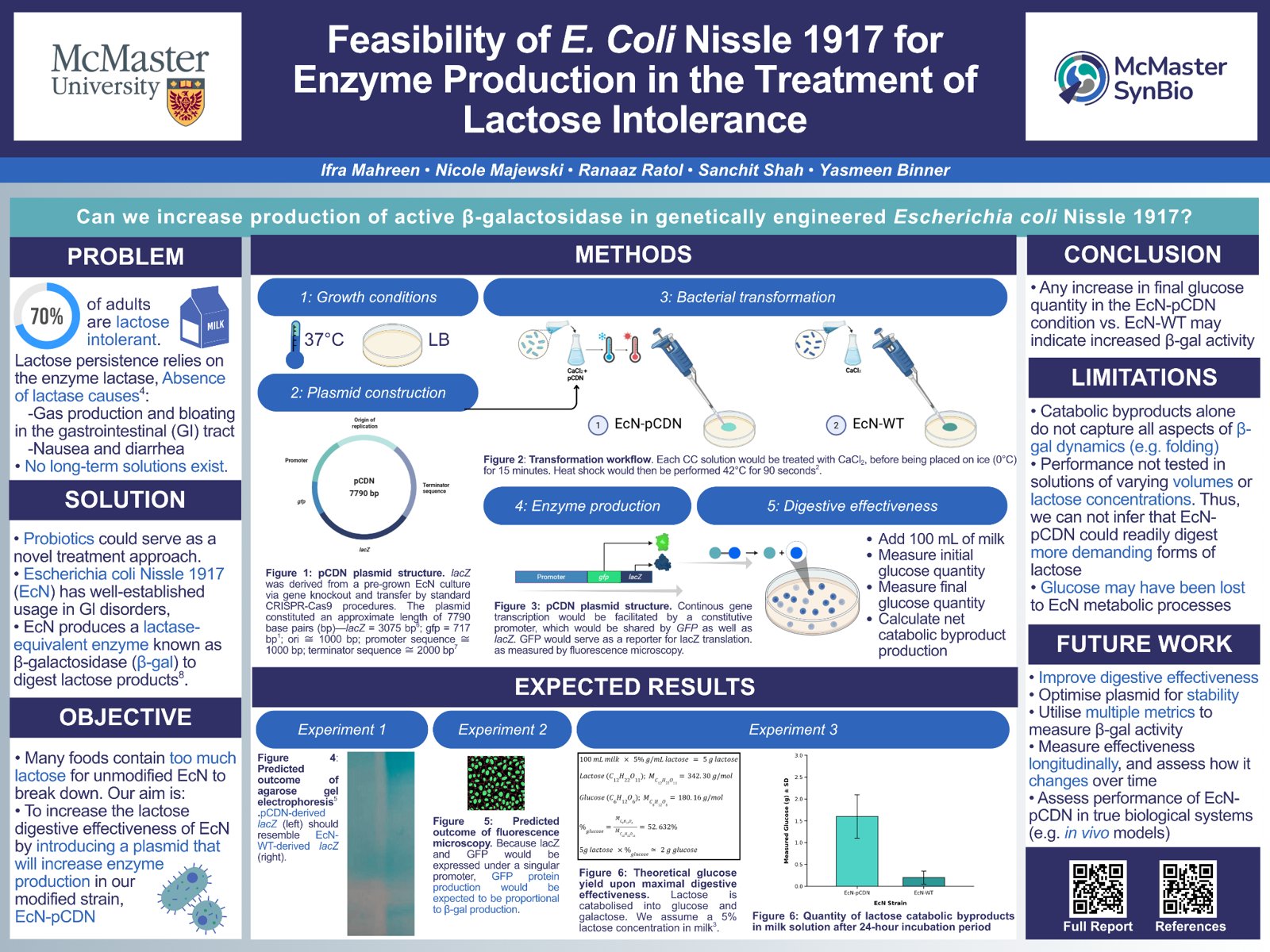
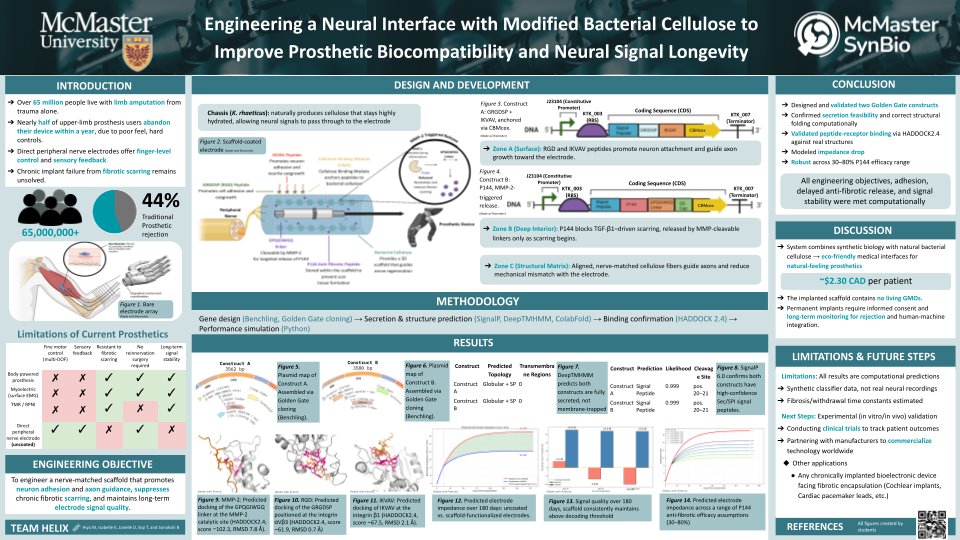
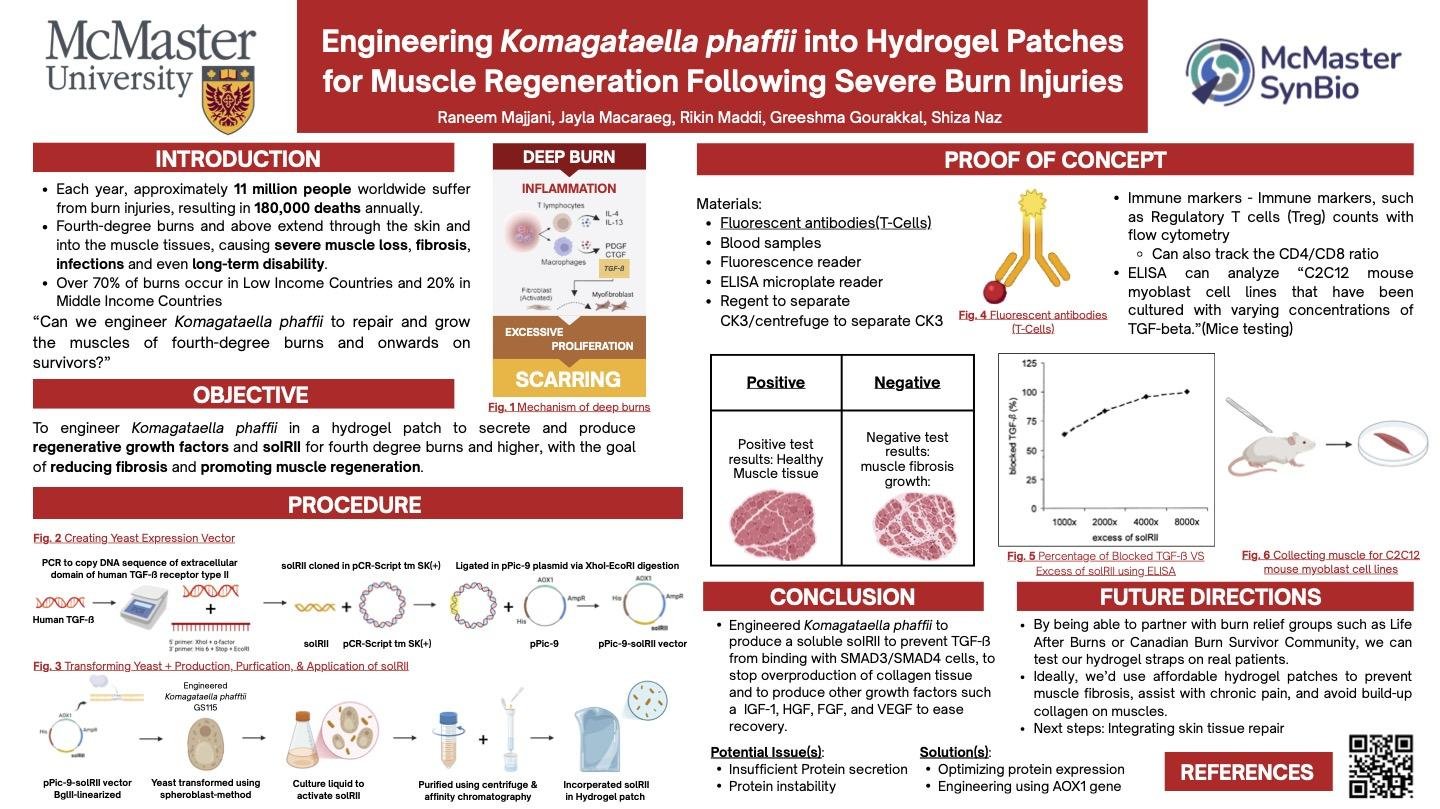
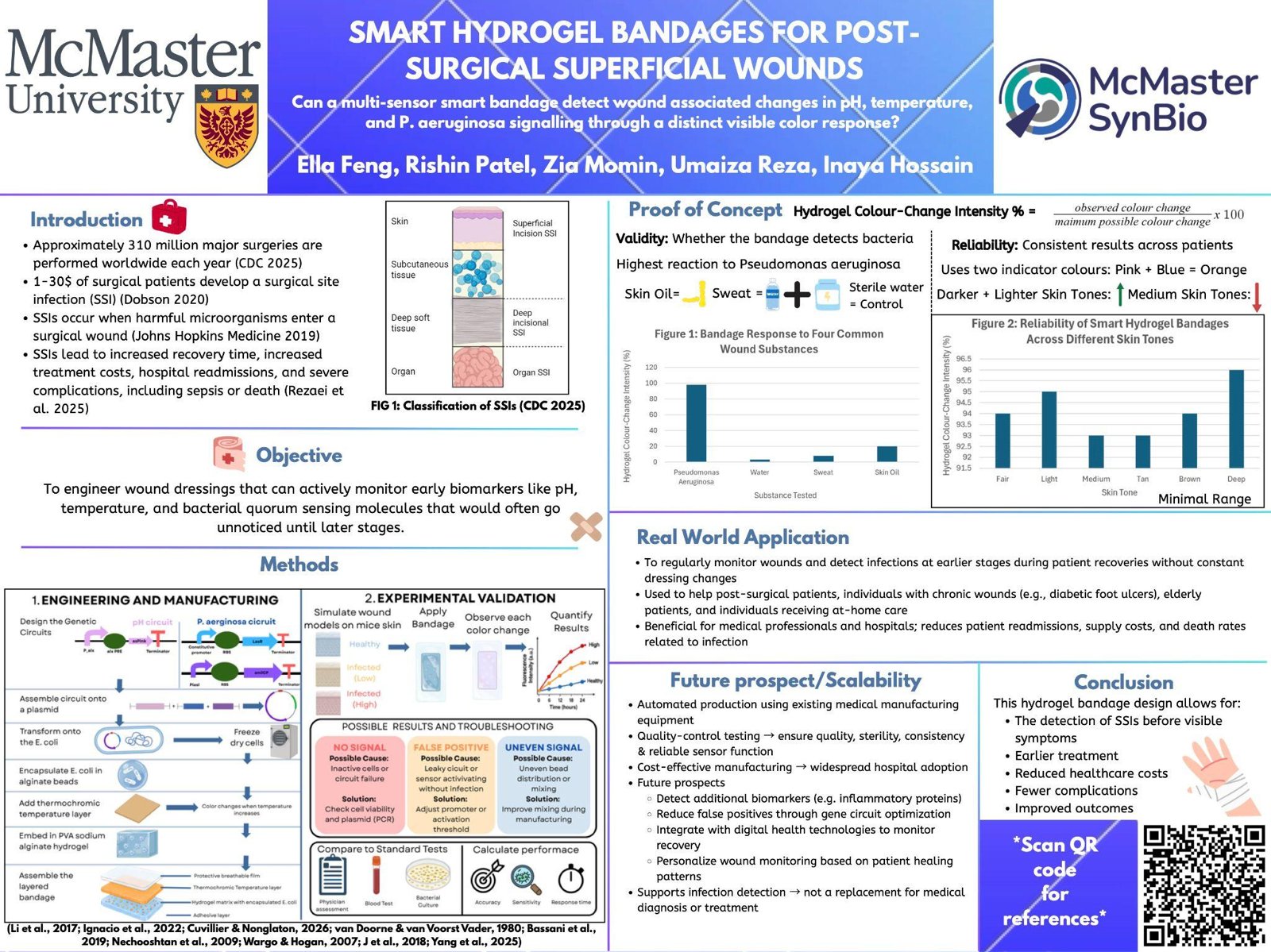
Following the symposium, students were invited to provide feedback on the program. 85% of responses said they would recommend the program to another high school student. Mentorship, collaboration, and networking opportunities were the most valued aspects of the program, with students also highlighting the supportive environment and the independence they were given in developing their research projects. Students also expressed interest in more in-person and hands-on experiences. This feedback will help guide future iterations of the internship.
Discovery Day
Discovery Day is an outreach event designed to orient high school students in Hamilton to hands-on laboratory work and university-level science. The event was geared towards schools in less affluent areas of Hamilton, with the intention of providing students with opportunities to explore science outside of their typical classroom environment. By providing access to hands-on laboratory experiences and university-style learning, Discovery Day encouraged students to build confidence in science and explore opportunities while exposing them to new fields and academic pathways.
The workshop began with an introduction to laboratory practices, including aseptic technique and the proper usage of micropipettes. Students first practiced their micropipetting through a serial dilution activity before applying these skills to extract DNA from spinach leaves. After the extraction, students ran an agarose gel, where they learned about gel electrophoresis and how the properties of DNA allow it to be separated and visualized. The event concluded with a period for open questions, allowing students to hear firsthand experiences of university life and ask questions about furthering their education in science.