
Community
How MEYcell engages with communities, stakeholders, and the public.
Community Outreach: From Conversation To Cultivation
Before science, MEYCell was formed with the intention of serving the community. To create a project that was both innovative and intentional. Community Outreach ensured MEYCell’s work remained ethical and socioeconomically responsible through extensive feedback loops that engaged conversation, feedback, and integration.
Cultivated meat is a subject that has taken the world by storm in recent years. The influx of food insecurity, increased antibiotic resistance through traditional livestock farming, and unethical animal welfare practices, to name a few, has resulted in a rise of alternative meat products entering the market. Global meat consumption has risen exponentially following the global population rise, and many industries now seek to combat sustainability threats associated with farming traditional meat through sourcing alternative proteins.
Socioeconomically, there are many benefits to alternative protein products. Firstly, there is the rise of the animal rights movement, with key groups like PETA (People for the Ethical Treatment of Animals) advocating for better treatment of animals in the agricultural and cosmetics industries, and overall lobbying for the total and whole discarding of meat consumption. Additionally, as we head into a recession, meat has become a more expensive item and is no longer traditionally an affordable item. Coinciding with this recession, Western media has continued glamorizing healthy lifestyles, notably putting an emphasis on protein intake coming from supplements or meat. Currently, cultivated and alternative meats do not provide comparable metrics in protein alongside taste.
From an environmental perspective, there are a lot of climate crises that are connected to the agricultural industry. The amount of land and water that is used to raise animals is significant. 14.5% of greenhouse emissions are from traditional meat (The American Society for the Prevention of Cruelty to Animals, 2026). The land that is currently used for traditional meat could be reused for the deployment of renewable energy farms to combat our ongoing climate crisis. Additionally, surplus land is important to mediate other issues, including deforestation. This opens up the opportunity for urban agriculture as well. Water and energy use are also something to note. Lab-made meat could result in a decrease of 82–96% in water consumption, notably dependent on the sort of meat produced (Tuomisto & Teixeira de Mattos, 2011). Cultivated meat can have amazing carbon footprints, being up to 92% less than beef and 44% less than pork (Sinke & Odegard, 2021).
With a solid foundation of social considerations, MEYCell’s community outreach initiatives aimed to look at cultivated meat as a solution to the current crisis and build on some of the gaps within cultivated meat.
The IRUS Framework
In 2024, the McMasterU team members developed a framework inspired by problem-based learning (PBL). Pioneered at McMaster University and now used worldwide, PBL encourages learning through an inquiry-based approach and facilitates open discussion between peers and experts. Honouring our community in our work, McMasterU approaches our projects with the same curiosity and collaboration celebrated on our very campus.
IRUS allowed our team to navigate every angle of MEYCell in four stages –
Inquire: Identify aspects, questions, and decisions within our project that require external input. Who are we impacting? How are we impacting them? What can we do to help them?
Reach Out: Engage with relevant experts to gather perspectives, exchange ideas, and learn more about how our project can address real-world needs.
Understand: Explore how our project may fit into existing communities, systems, and structures, and consider the perspectives and needs of those affected.
Synthesize: Make changes to our project design based on expert and community feedback, adapting our research and approach to reflect diverse input.

This framework allowed for continuous learning and improvement of MEYCell throughout the project’s cycle, ensuring that community integration was not simply an afterthought, but an integral part of our purpose in investing in responsible science.
INQUIRE: From Lab Bench to Dinner Table – Who Are We Feeding?
As MEYCell was being characterized, the team brainstormed people and groups who could be impacted by any aspect of the project. The goal was to connect with as many experts, communities, industries, and establishments as possible; this exercise gave us an expectations baseline of our possibilities within the city of Hamilton and the global sphere. From the very first iteration of MEYCell, Community Outreach was integrated into the project’s design to ensure every decision made behind the scenes was intentional and good for those we aimed to serve.
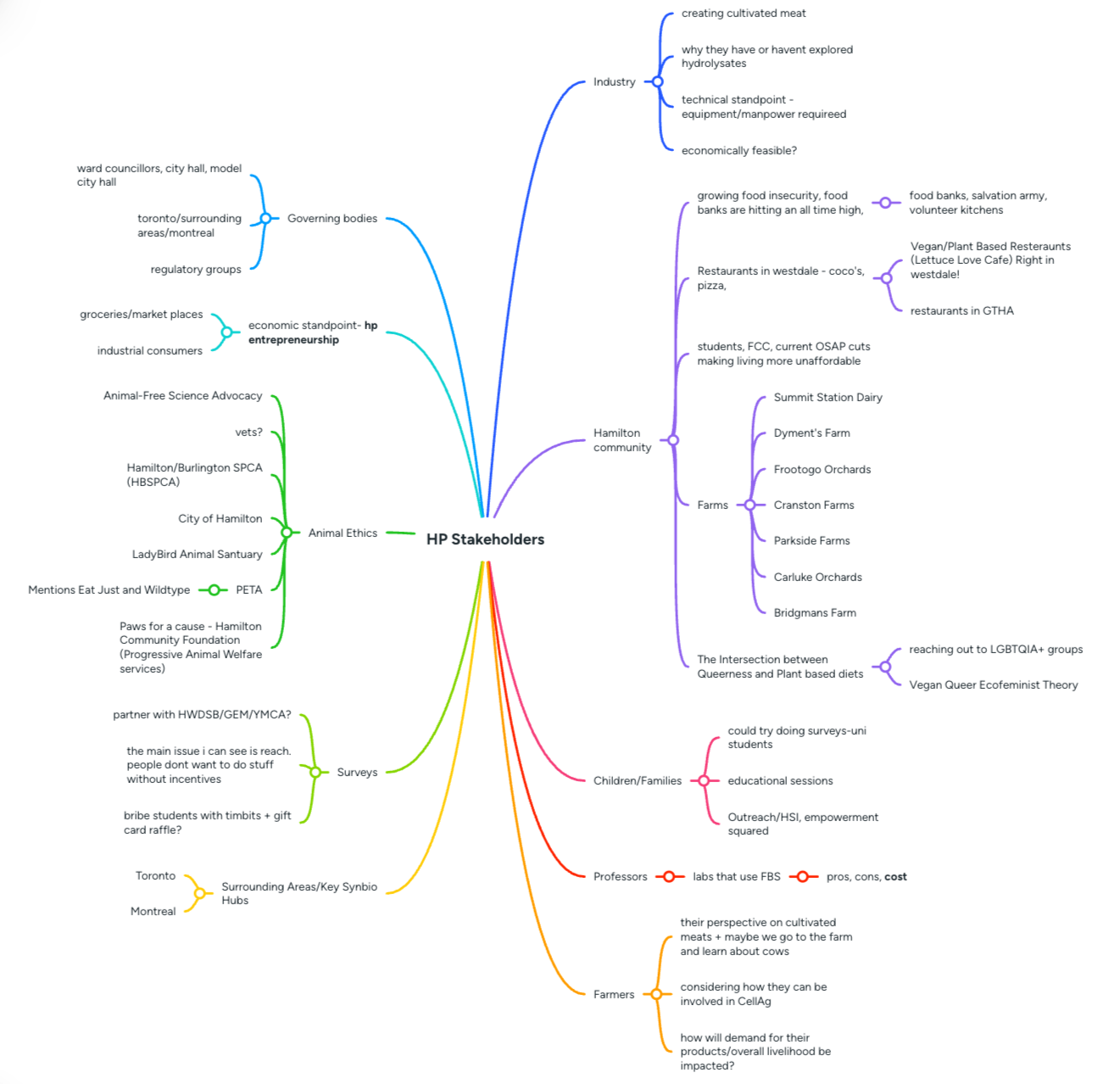
REACH OUT: Our Recipe For Collaboration
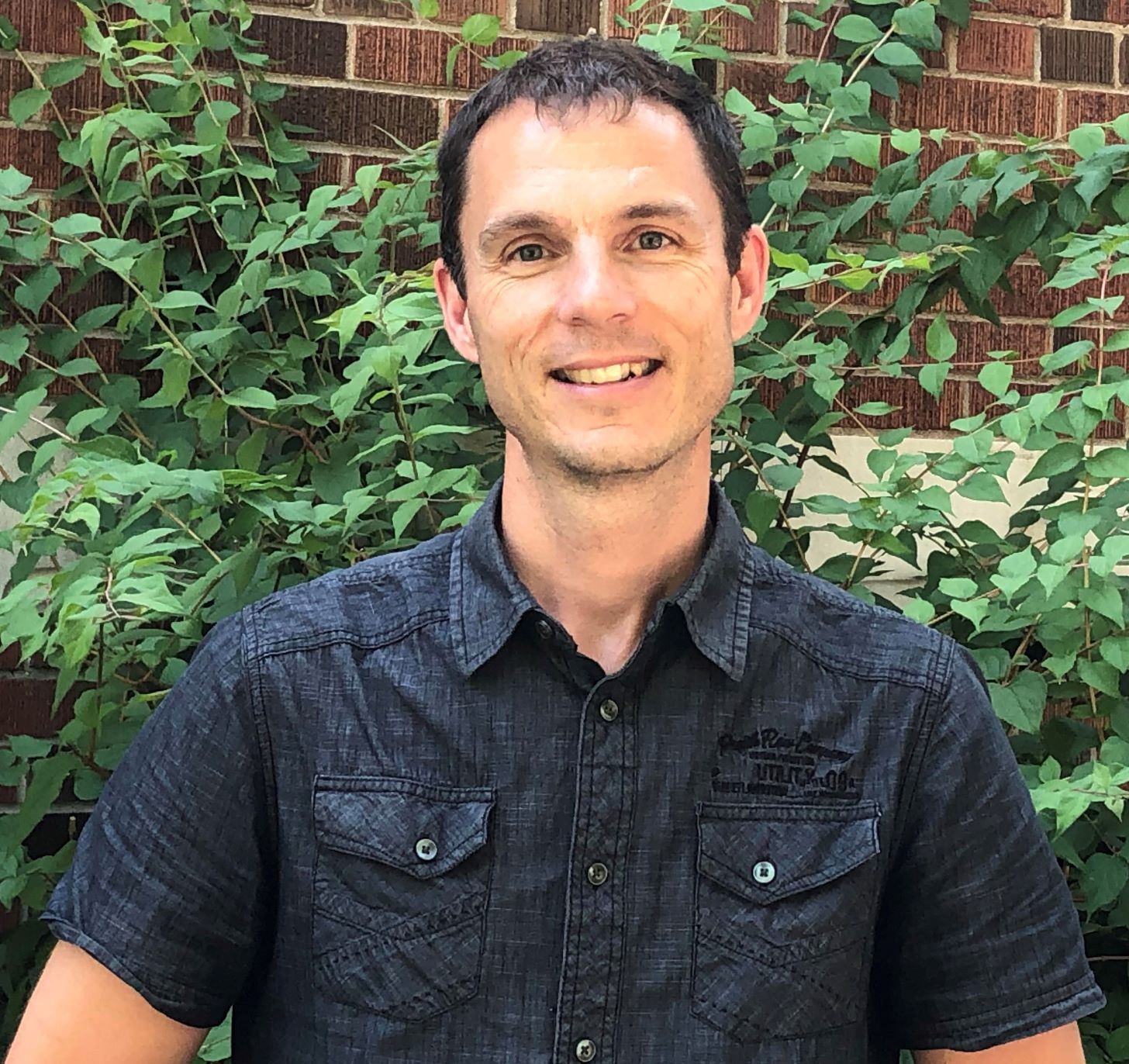
James VanderBerg
A central component of our project is understanding and incorporating the needs of those most affected by food-related challenges in Hamilton. In our region, community members’ livelihoods are affected by the rising costs of groceries, barriers to employment, and housing insecurity, all related to food affordability or access. To better understand these issues, we met with James VanderBerg, the Fund Development Officer & Interim Executive Director of the Welcome Inn Community Centre. In our meeting, we discussed community members’ hesitations on plant-based meat alternatives, ways to support those most affected, and methods for improving the implementation process. Through this, we identified why community members may be reluctant to introduce plant-based meat alternatives into their diets and explored ways to reduce these concerns.
Meeting with James gave us a clear picture of food-related challenges in our community. We learned that 47% of newcomers to Hamilton depend on the Welcome Inn foodbank. He described these challenges as a community-based problem and not limited to cultural, faith, or ethnic hesitancies. He added that many newcomers to Hamilton are vegetarian, and their food preferences are often not available at food banks, as many prioritize meat-based proteins. James discussed that this creates obstacles for food banks in managing the cost-effectiveness of supplies while staying attuned to community members' needs.
The issues surrounding food affordability and insecurity are extensive and affect many community members. He described the key challenges around food affordability as being the cost of groceries and housing issues. Moreover, the costs of groceries are not comparable to what is earned through income. Recipients of the Ontario Disability Support Program (ODSP) also face barriers and cannot live comfortably.
When asked who he thinks may have a harder time adjusting to plant-based meat alternatives, he said many community members may currently view it as ‘unnatural’ compared to common vegetarian diets which consist of beans and nuts. Hesitations may also stem from previous implementations of entry-level plant-based meat that were poorly packaged. They described it as being lower quality, and many were reluctant to adopt it because of their traditional diets. Additionally, poorly packaged meat created additional hesitations because consumers couldn't easily understand how to use a specific product or what the ingredients were.
Our meeting with James gave us vast insight into the current food needs of our local communities, while confirming what kinds of hesitations and objections MEYCell may face in our local community. With this knowledge, we aimed to address these challenges with our team and find opportunities to communicate our project in feasible and educational ways around Hamilton, speaking with the community members who access the foodbank more personally.

Allison Penner
With significant climate issues associated with the agricultural sector, and current food sustainability issues in Canada, we wanted to learn how alternative proteins and the development of cultivated meat can not only address these challenges, but also complement existing systems such as the farming sector. With the rise of new food technology and fears of it dominating agricultural and farming practices, what approaches to scientific communication can be used to build trust and foster acceptance?
We spoke with Allison Penner, the Founder and Executive Director of Reimagine Agriculture. Reimagine Agriculture is a Canadian charity-based organization dedicated to building sustainable food systems through advocating for food technology, such as cultivated meat, and supporting plant-based systems.
Allison highlighted carbon emissions—a large contributing factor to the current challenges of agriculture and food sustainability—having significant potential to be reduced by the introduction of alternative proteins and cultivated meat. Moreover, she expressed that a substantial amount of land in Canada is dedicated to agriculture. Extreme weather conditions inflicted by climate change, however, lead to a large issue for farmers, risking low crop yield.
When it came to discussing agricultural “job transitions”, we inquired about how advancements in food technology could remain mutually beneficial with farmers. Allison noted that although Canada is not yet at the stage where cultivated meat technologies are capable of replacing livestock farming, it is already being employed in projects across the world alongside farms. Additionally, she mentioned how Canadian farms can be stretched thin due to Canada being a large food exporter. In this regard, cultivated meat technologies would be able to relieve the supply-demand gap seen in food systems.
In addressing our concerns on influencing public perceptions of cultivated meat through appropriate scientific communication, our conversation with Allison sparked different ways to go about communicating the importance of cellular agriculture. Simplicity and jargon usage is essential to ensure the audience understands current limitations of traditional meat, and how our project aims to fill those gaps. Using analogies such as yeast “brewing beer” would serve as a familiar background to introduce our project, and introducing a concept such as fecal bacteria contamination raises awareness of one of the many negative aspects of traditional meat.
Lastly, Allison emphasized using a more educational approach for raising awareness on alternative proteins. She recognized that, although there will always be trends (such as hitting protein goals), resources such as the Canadian Food Guide and the Harvard Healthy Eating Plate exemplify that high-meat diets are not the standard for healthy eating.

Josh Milburn
What social perspectives should we use when discussing food pleasure, the importance of diet, and where our protein is sourced from? One of the biggest things we realized in our outreach is the discourse surrounding cultivated meat stretches far beyond the scientific space. Culturally, eating meat holds a great amount of significance for many communities around the world. Eating food is also an inherently social practice; people often gather, celebrate, make offerings, and perform rituals surrounding food. This begged the question: what are the ethics behind the imitation of traditional meat? Are there cultural, religious, or even social perspectives the team should keep in mind as our science evolves?
Our team had the pleasure of meeting with Dr. Josh Milburn (PhD), a senior lecturer in political philosophy at Loughborough Universit in England. His affiliation and interest in human-animal relations, food/animal politics and ethics, and the cellular agriculture industry allowed us to gain insight into the moral and ethical implications behind our project, from the eyes of philosophers, ethicists, and consumers.
In conversation, Dr. Milburn agreed that pleasure in eating is a valuable perspective to consider that many tend to underemphasize when considering alternative or plant-based proteins; flavours are much more important to people than it may seem, and substituting meat for alternatives that are more sustainable and socially or culturally acceptable can help ‘fill the gap’ to transition away from traditional meat and meat farming.
Virtue ethics was a large topic of our conversation, and answering the question: what kind of person should we want to be? When discussing cultivated meat, some philosophers (ex., Carlo Alvaro, author and philosophy professor at New York City College of Technology of the City University of New York) argue that its consumption is intemperate, and that a temperate person is not to desire foods simply based on pleasure, but rather recognize that food is meant to keep us alive and healthy (Milburn, 2026). Dr. Milburn let us know he is not fully convinced of this view that cultivated meat research and consumption are solely to satisfy self-indulgent cravings, or that its creation is entirely unnecessary, as many postulate.
Looking at cultivated meat from a holistic perspective, we believe that our science reduces harm to animals that can be caused in some traditional meat farming practices. When asking Dr. Milburn about the ethical tradeoffs of supplementing yeast growth with sugar and crop feedstocks used in this project, compared to traditional animal feedstock practices, he introduced an interesting perspective about how precision fermentation technologies impact people’s views on animals. The overarching conclusion was that the gap in differing perspectives between evolving precision fermentation technologies and plant-based meats is minimal, and both still prove to be leagues better than traditional practices used now. We learned that many plant-based proteins, such as the Impossible Burger, are still not favourable in the eyes of vegetarian and vegan consumers due to the heme used being tested on animals. Therefore, it is important we are transparent in our project design and education on the methods we use.
Finally, we learned from Dr. Milburn a crucial point to keep in mind when communicating our science: people cannot help but feel sensitive and judged when you suggest they put something new into their bodies; our job is not to condemn or suggest that their current lifestyles are wrong. Approaching awareness, education, and acceptance from a different angle, we need to determine what angle we approach others from. He stressed the importance of ‘having the right conversations’ – carefully choosing what benefits we discuss depending on our audience. Acceptance is typically tied to values, personalities, and politics; many people may know how their food choices affect them, but discourse gets hijacked by what he calls ‘shoddy science,’ often stemming from misinformation.
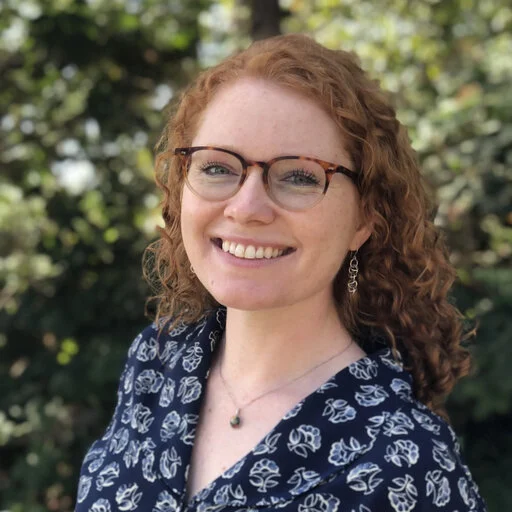
Sarah-Louise Ruder
Following up on the conversation of perceptions and acceptance of cultivated meat, we spoke with Dr. Sarah-Louise Ruder (PhD), a researcher in the Food and Agriculture Institute at the University of the Fraser Valley specializing in the sustainability, security, and politics of novel agri-food technologies. We discussed her report on a large survey that asked Canadians about their perspective on cellular agriculture and food technologies, which found varying results of acceptance depending on demographics (Ruder et al., 2026).
Dr. Ruder shared how individuals who were familiar with food technology, special diet groups (ex., kosher, halal, paleo, vegan, etc.), younger respondents, and those with higher household incomes and post-secondary education were among the groups that held more favourable positions toward cellular agriculture and willingness to try. In our outreach to individuals who work in the food space, she believed that we would face positive perceptions as their approval comes from practicality; if it benefits the current agricultural and food systems, then it therefore should be implemented.
Interestingly, neutral perspectives often come from a lack of knowledge or personal impact in one’s own lifestyle. Alternative proteins may not be appealing to those who do not have any meat in their diet, or on the contrary, for some who enjoy traditional meats regularly. However, she considered that MEYCell’s goal of improving mouthfeel may meaningfully improve acceptance, as pushback from the general public on cultivated or plant-based proteins stems from a significant dissimilarity to real meat.
Lastly, we discussed major active and impacted groups that can be overlooked in the cellular agriculture conversation, landing on the importance of considering the Indigenous populations in Canada. Food is not just nutrition to these communities, but a deep connection to their culture, identity, land, and sovereignty. Keeping in mind their autonomy over their food systems, the cultural significance traditional meats have to their practices and land relations, and evaluating accessibility and economic barriers food technologies can cause were all new angles to our project we had yet to explore. With this, our outreach does not end at conversation. How can we intentionally engage and incorporate the groups we are impacting into our process, making sure their voices do not get lost in the process? From this conversation, we understood the importance of community involvement, from beginning to end, when it comes to introducing novel ideas into existing practices and systems.
UNDERSTAND: The Stories That Shape Our Food
WELCOME INN
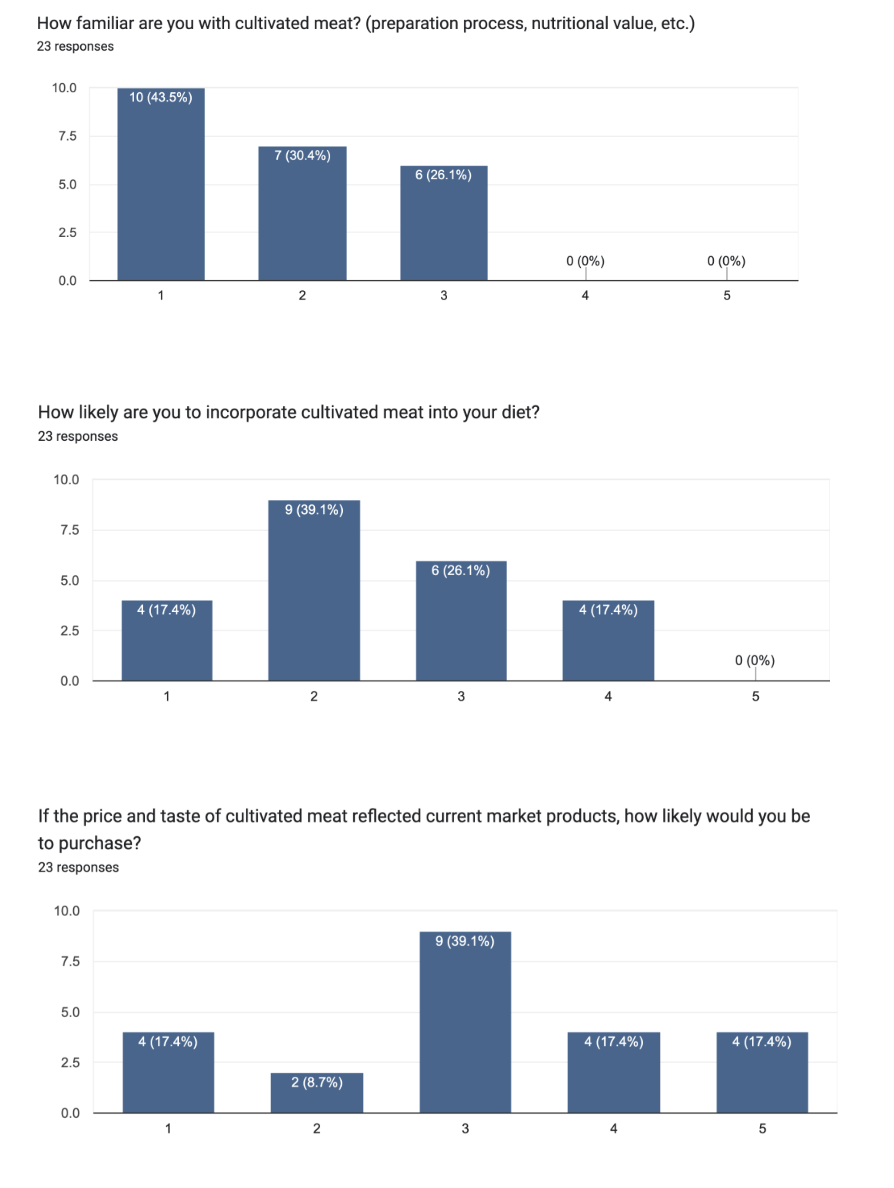
One of our first initiatives was going to the Welcome Inn Community Centre. We prepared a survey for the clients centered around alternative meat, with questions that touched upon familiarity with cultivated meat, likelihood of incorporating it into one’s diet, and whether environmental significance makes an impact on food decisions. Additionally, we created a ranking-based question where surveyees would assess the most influential factors behind their decision-making process on choosing protein products in general. For demographic considerations, our questions also inquired about religion, gender, age, ethnicity, and dietary restrictions.
However, we faced a very polar response at the Welcome Inn. Most of the clients were unresponsive, uninterested, or largely against the idea of our project, making it difficult to gather responses to our survey. Furthermore, out of the few who had filled out the survey, there were difficulties in their interpretation of the questions we had noted down, with many questions requiring clarification. By the end of this surveying period, we found that there was a strong negative response to the idea of alternative proteins and cultivated meat, despite most surveyees being unfamiliar with the negative environmental concerns associated with traditional meat. Additionally, it may be worth noting that the main demographic of the surveyees and residents of the WelcomeInn were above the age of 60.
From this experience, we learned the importance of scientific communication and ensuring it is accessible to crowds of different demographics. Due to the low number of respondents, we made an effort to improve aspects of scientific communication that may influence public perception of alternative meat. After speaking with the experts, we gained feedback that was education-based, jargon-specific, and survey-specific, all of which we hoped to incorporate into an improved version of our survey.
COOKSMART: Youth Summer Camps
Young children are our next generation of leaders, scientists, and even simply consumers. Our team partnered with COOKSMART to expose children ages 5-12 to topics such as sustainability, biology, and new food technologies, and gather their perspectives through engaging discussions and games.
Each session was conducted in the Greater Toronto Area, mainly in Mississauga and Oakville. The games and activities focused on introducing the importance of healthy and sustainable eating, asking for their input on new food technologies, and allowing them to express themselves creatively as food scientists by mimicking food modifications through Play-Doh sculptures and a strawberry DNA extraction lab.
We received very positive feedback from the children regarding their perception of cultivated meat and alternative proteins. Many were intrigued about the process and believed it could replace traditional practices if the taste were identical to meat. Fascinatingly, a majority of the children had already known about plant-based meat, with some sharing anecdotes of eating Beyond Meat at restaurants, or having vegetarian family members who regularly incorporate alternative proteins in their diet.
As these technologies become more common, familiarity and prior education can often shape future perception and acceptance. We were fortunate to work with open-minded children and educators/counsellors at the campsite who were interested in learning about MEYCell. Beyond our project, we are also students who strive to make science more accessible to communities of all demographics, and hopefully inspire others to continue our mission and vision far beyond our own imagination.
MISSION SERVICES: GOOD FOOD CENTRE
Our team had the chance to tour and volunteer at one of Hamilton’s largest social service non-profit organizations, the Mission Services of Hamilton. We specifically visited the Good Food Centre (GFC) and received an in-person guided tour from Jim O’Keeffe, the assistant director. From our tour and extensive conversation with Jim, we learned about GFC and the community it serves extensively, giving us a perspective of the local Hamiltonians we had hoped to benefit with our project and what food security challenges they typically face.
GFC services approximately 150 families every day, totalling up to ~600 people who rely on the food centre to put meals on the table daily. This is 15,000 lbs of food every day, with a total of 2.1 million lbs served in 2025; from 2025-2026, the output of food was valued at $186,000. Demographically, Mission Services is located in Ward 3, known as one of the poorest regions in Hamilton. Individuals in this region struggle with frequent hospitalizations and 911 calls due to mental health and drug use, while 70% of the GFC clients here are on social assistance. Moreover, the community faces the highest average grocery bills in the area, with individuals commonly working multiple jobs to afford living expenses.
In these conditions, accessibility is the most important factor to consider for these populations. Thinking about nutrition, sustainability, and taste are secondary to whether they are able to afford these proteins in the first place. Jim informed us that 90% of the Mission Services visitors pick up protein products; oftentimes, their selection includes alternative meat. However, none of the clients have ever specifically asked for alternative meat products, and when it is picked up from the shelves, it is usually due to a lack of knowledge on the recipients' part as to what the product really is. We found out that within their clientele, only 3% identify as vegan and 5% as vegetarian, while up to 40% of people they serve follow a halal diet, and 60% do not consume pork.
From this experience, we saw first-hand how rising costs and demand for food have impacted real individuals, families, and communities living side-by-side with us. Jim emphasized that education on food innovations can only happen when people are willing to learn – but first, they have to be able to. Improvements in mouthfeel must be balanced with consumer affordability and accessibility to see any benefits happen for the people living in these circumstances.
Sustainability-wise, GFC is doing incredible things – since June 2025, they have reported 130 lbs of greenhouse gases diverted and 360 million litres of water saved, with just 10 million litres saved in 3 months alone (May-July 2026). The opportunity to speak with individuals who care as deeply about uplifting the community and protecting the environment as our team does was inspiring, and the ability to make a small difference through our volunteer work reminded us of the integrity and intention behind MEYCell.
SYNTHESIZE: Harvesting Every Insight To Grow Solutions.
After having the fortunate opportunity of speaking with experts in academia, founders of sustainability non-profits, foodbank directors, and especially our community members, our team created an updated and focused interest-group analysis map. This visual highlights some of the key groups, communities, and industries that could either influence or impact MEYCell. The analysis ensures that we address real-world needs by evaluating whose perspectives are important to consider, the relative power certain groups have in the alternative meat industry, and what “meaningful engagement” with each impacted group means based on their relative positioning.
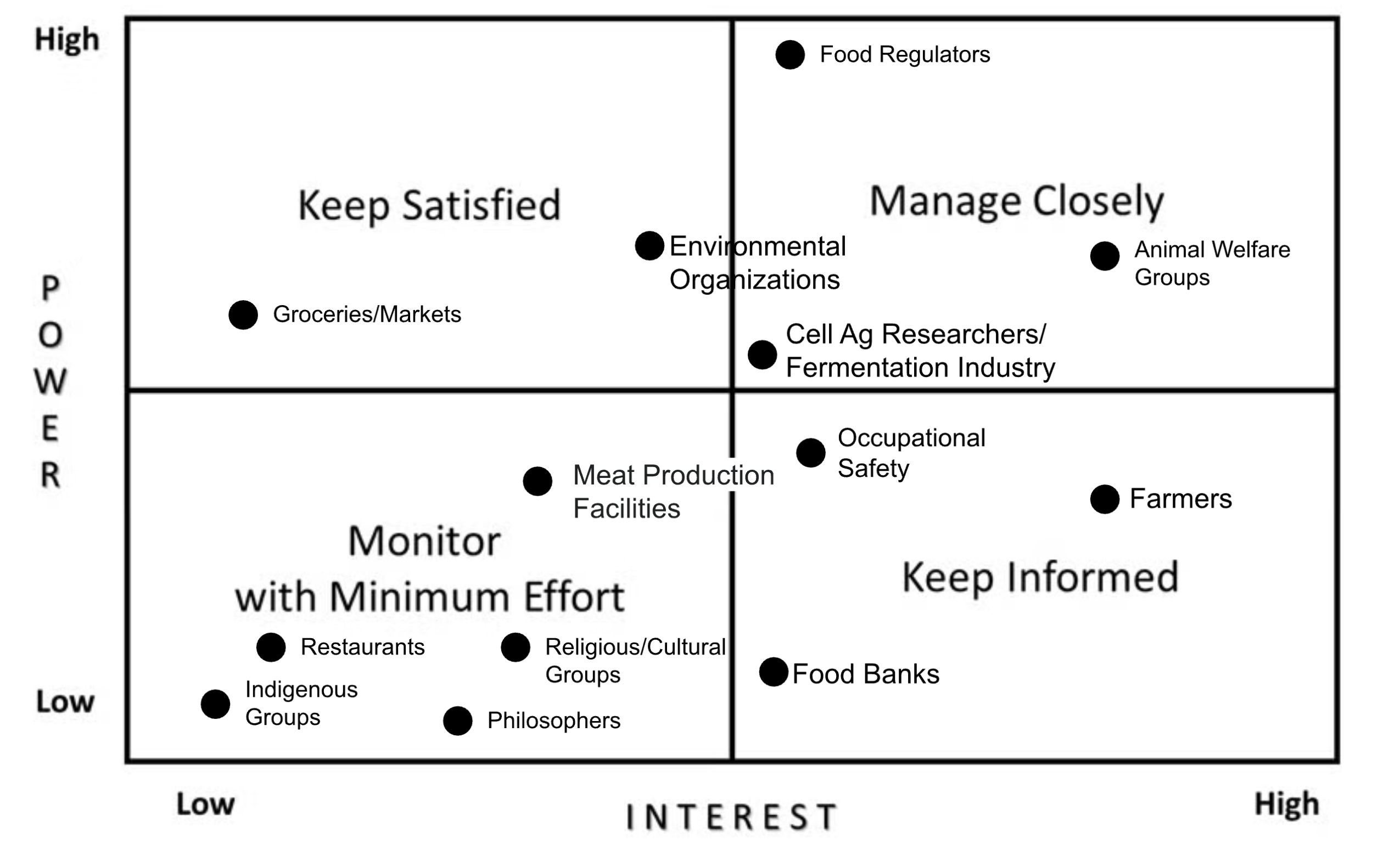
From our conversations to our initiatives, the following next steps were considered, implemented, and noted for the future direction of MEYCell:
Following our meeting with James Vanderberg from Welcome Inn, we understood that challenges with receptiveness come from understanding the issue from multiple perspectives. Building trust with community members means incorporating learning through different forums, including social media, pop culture, public education campaigns, etc. Through our meeting, James provided pointers on overcoming hesitancy and suggested ways to incorporate newcomer opinions, such as through local public health branches, schools, displaying posters at Food Banks, developing programs/guidelines to educate Hamiltonians, and universities. He also mentioned that researchers focusing on this topic should consider dietary restrictions among faith communities, ethnic groups, etc., to ensure they meet the needs of as many people as possible. This meeting helped us consider the broader community needs affected by our project design, especially the importance of clarity across all our initiatives. We also learned strategies to center the needs and opinions of those most affected, which we gathered directly from community members through surveys at the Welcome Inn Community Center. Lastly, our team was able to share informational posters with the food bank, which were able to be displayed with points on nutrition and food affordability.
Our meeting with Allison Penner provided a deeper insight into the ways our project can exist alongside current agricultural systems for support rather than competition. We were able to gain a better understanding of the ways in which Canadian farming practices could benefit from increased accessibility to alternative proteins, which broadens the impact of our project.
Additionally, we learned more about scientific communication strategies we could use to better introduce the concept of our project to the public, outside of using simple jargon. Allison suggested reintroducing the food groups from national recommended food guides, as we expect to face the limiting factor of food trends. When we introduced our project to children at a cooking summer camp, we were able to incorporate these food groups into our presentation to teach them more about healthy eating. Trends such as protein hyperfixations and high-fiber meals are able to shift consumer demand; therefore, communicating our project alongside recommended food guides may be a step in the right direction towards building consumer acceptance.
Another limitation discussed with Allison was the lack of public knowledge about the negative environmental costs associated with meat farming practices. With fewer people to understand the problem, it may become more difficult to communicate the needs our project addresses. Moving forward, advocating for environmental awareness regarding traditional meat methods is a method that can be used to convey all aspects of our project.
Exploring a more ethical approach with Dr. Milburn led to the conclusion that there is more to consumer acceptance of cultivated meat than just its scientific and nutritional value; the choices made towards food consumption are based on various other factors such as culture, identity, and personal values.
Additionally, when it came to communicating the negative aspects of traditional meat practices, Dr. Milburn noted that different concepts can turn away different audiences. For example, choosing to discuss the standard suffering of animals versus speaking about meat farming’s impact on the climate may reach different types of audiences. We were recommended to reach out to social psychologists as well as communications professionals to better understand various messaging strategies and how they may cater to demographics in their own ways.
Lastly, our outreach to Welcome Inn and Mission Services taught us that food innovation cannot be separated from its accessibility. The benefits of MEYCell are limited if the communities that matter to us most are unable to access it in the first place. Affordability and familiarity remain key determinants of whether people will choose to consume cultivated meat products.
Our community survey reached a wide demographic of age, race, religion, and dietary preferences/restrictions, filled out by members of the Hamilton community, food bank users, and even students at McMaster University. Familiarity and education on food technologies still have a very long way to go – Jim O’Keeffe from Mission Services believed that at this stage of novel biotechnology and food development, marketing would be more beneficial than education. In our survey, transparency regarding what goes in their food, how it is made, additives/chemicals, regulations, and relative sustainability and cost compared to traditional meat farming were all significant hesitations of potential consumers.
As MEYCell progresses, our team hopes to continue learning through immersive community outreach, purposeful conversations, and intentional integration of feedback and perspectives into project design. McMasterU has grown MEYCell far beyond a student project, but a model of responsible science and constant evolution, both inside and outside of the lab.
References
- 1.The American Society for the Prevention of Cruelty to Animals. Factory farming: A recipe for disaster for Animals & Our Planet.. ASPCA, 2026.↗ link
- 2.Milburn, J. The virtues of cultivated meat.. Journal of Agricultural and Environmental Ethics, 39(1), 2026.↗ link
- 3.Ruder, S.L., Issac, J., Raja, A., & Newell, R. Acceptance and perceptions of cellular agriculture in Canadian food systems.. ResearchGate, 2026.↗ link
- 4.Sinke, P., & Odegard, I. LCA of cultivated meat future projections for different scenarios ecoinvbron.. CE Delft, 2021.↗ link
- 5.Tuomisto, H. L., & Teixeira de Mattos, M. J. Environmental impacts of cultured meat production.. Environmental Science & Technology, 45(14), 6117–6123, 2011.↗ link