Meating the future using directed evolution.
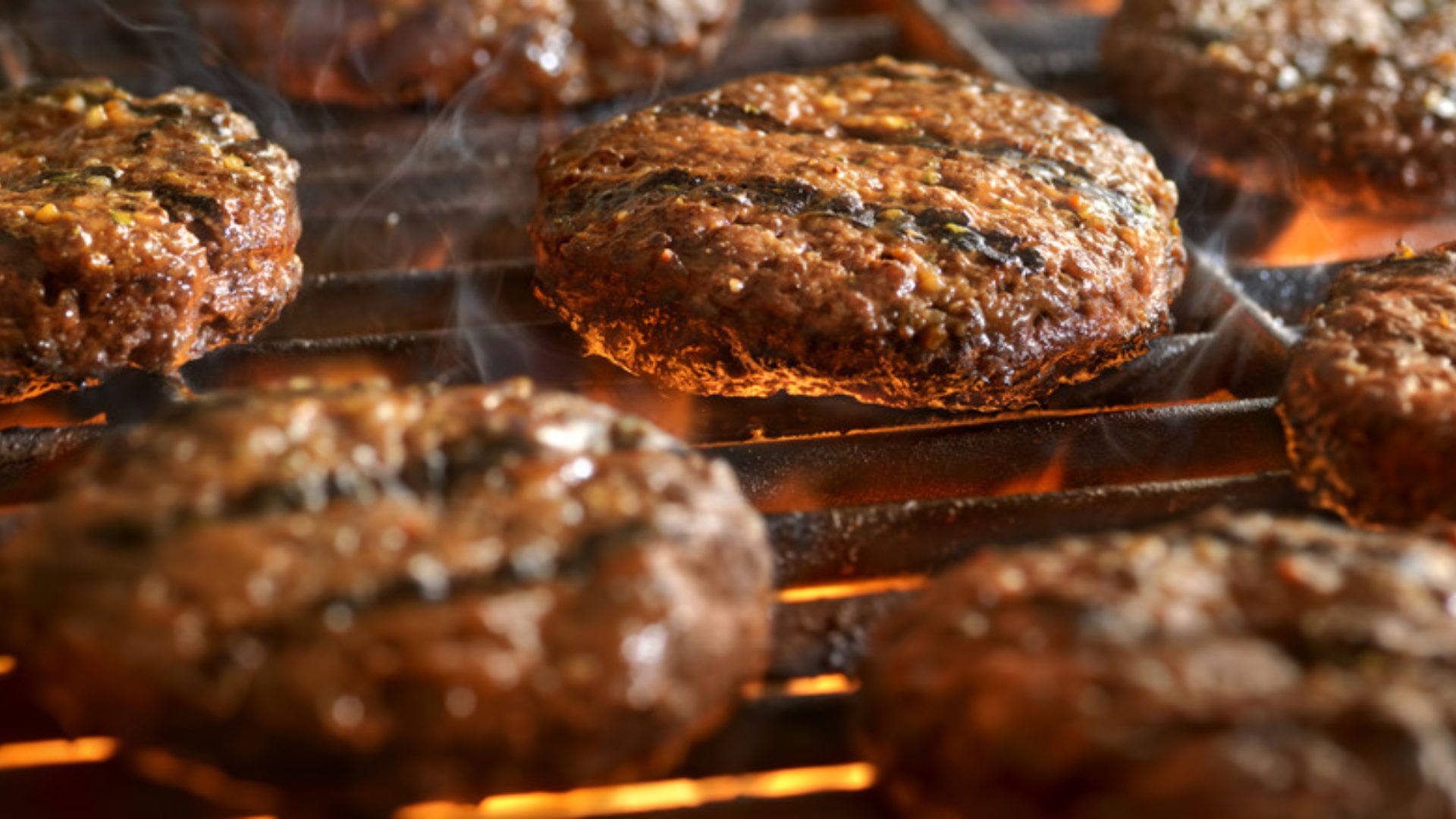
Meat has a problem.
So does everything trying to replace it.
Every year, people consume over 360 million tonnes of meat– demand keeps rising faster than our planet or our livestock systems, can sustainably support.
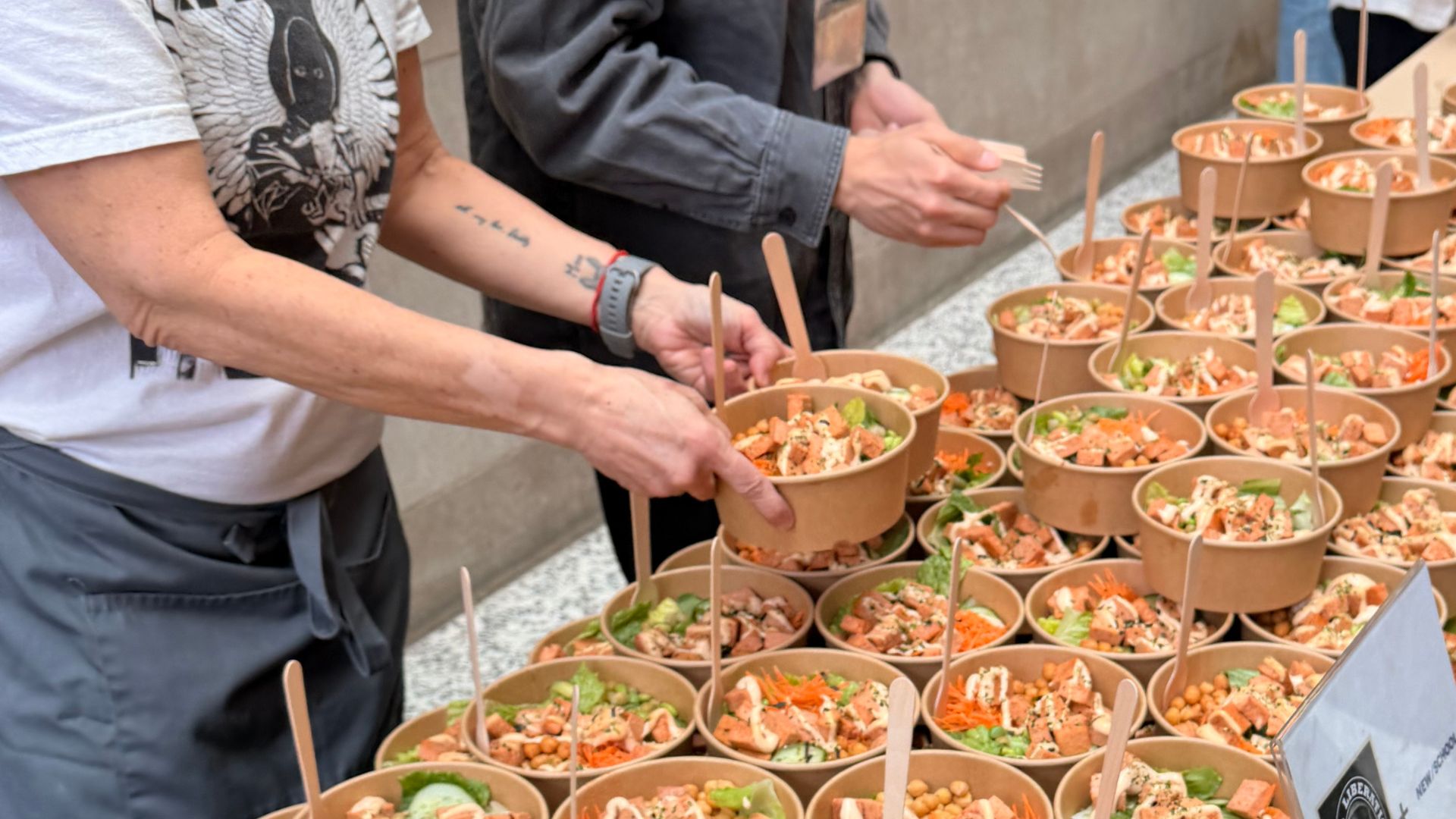
What about the alternatives?
Alternative proteins were supposed to be the answer. But when we tested them ourselves, they were dry, they lacked juiciness, and they just didn't taste like meat. One bite told us why alternative proteins haven't won consumers over: sustainability only matters if the food actually tastes good enough to choose.
That’s where MEYcell comes in.
MEYcell is a precision fermentation platform built around an engineered yeast strain that overproduces and stores lipids. We grow this yeast at scale in bioreactors and preserve it as a gel that manufacturers can easily incorporate into their existing formulations, like burgers and cuts, with no barriers to their production line.
As the alternative meat cooks, high heat activates the RNA thermometer that we engineered into the cells. That causes the cells to burst, releasing lipids right into the meat, mimicking marbled animal fat and delivering juiciness in every single bite.
How it works
Engineer the Yeast
Saccharomyces cerevisiae BY4741 is engineered to push carbon toward storage fat. A deregulated acetyl-CoA carboxylase (ACC1**) lifts the rate-limiting step, DGA1 drives the final acylation into triacylglycerol, and OLE1 shifts the product toward unsaturated fat. β-oxidation and the TAG lipases, the routes that compete for that carbon, are knocked out.
Accumulate Lipids
MEYcells grow under carbon-rich conditions, packing their interiors with lipid droplets until each cell is a microscopic reservoir of fat. Nile Red staining puts our β-oxidation knockout 31.2% above the parent strain, roughly 92 mg of neutral lipid per gram of dry cell weight.
Integrate with Protein
MEYcells are embedded into cultured muscle fiber scaffolds or plant-based protein matrices. Distributed through the product like natural marbling, they have to survive the trip: overexpressed TPS1 builds up trehalose, which protects the cells through the freezing and dehydration of cold storage.
Cook, Burst, Devour
Heat unfolds the RNA thermometer, ribosomes reach BGL2, and the glucanase eats away at the cell wall until it can no longer hold the cell's internal pressure. The wall gives, and the droplets release into the surrounding protein: the marbling that alternative proteins have been missing.
Directed Evolution
Directed evolution is variation and selection, repeated, toward a function you choose. Ours runs on the RNA thermometer, the switch that decides when MEYcell gives up its fat.
Variation
A constraint-based search built on nuad mutates the designable flank of each candidate thermometer, and NUPACK scores how the resulting structures behave across temperature. Our plan widens that pool further with error-prone PCR.
Selection
Fitness is the switch itself: how completely the start codon stays buried when cold, and how sharply it opens at temperature. Candidates were swept across a ±10 °C window in half-degree steps, penalised for leaking below the target and rewarded for switching cleanly at it, with GC content, loop size and stem length as filters. Our plan then selects in yeast on a fluorescent reporter at 40 °C, keeping the cells that respond most and fastest.
Iteration
Every round fed the next. Starting from a control sequence we changed one feature at a time: bulges in the stem, adenines in the loop, a shortened GC clamp. Bulges opened the structure most, while loop adenines barely moved it. Those findings guided several further rounds, arriving at three final sequences that melt between 36 and 44 °C.